
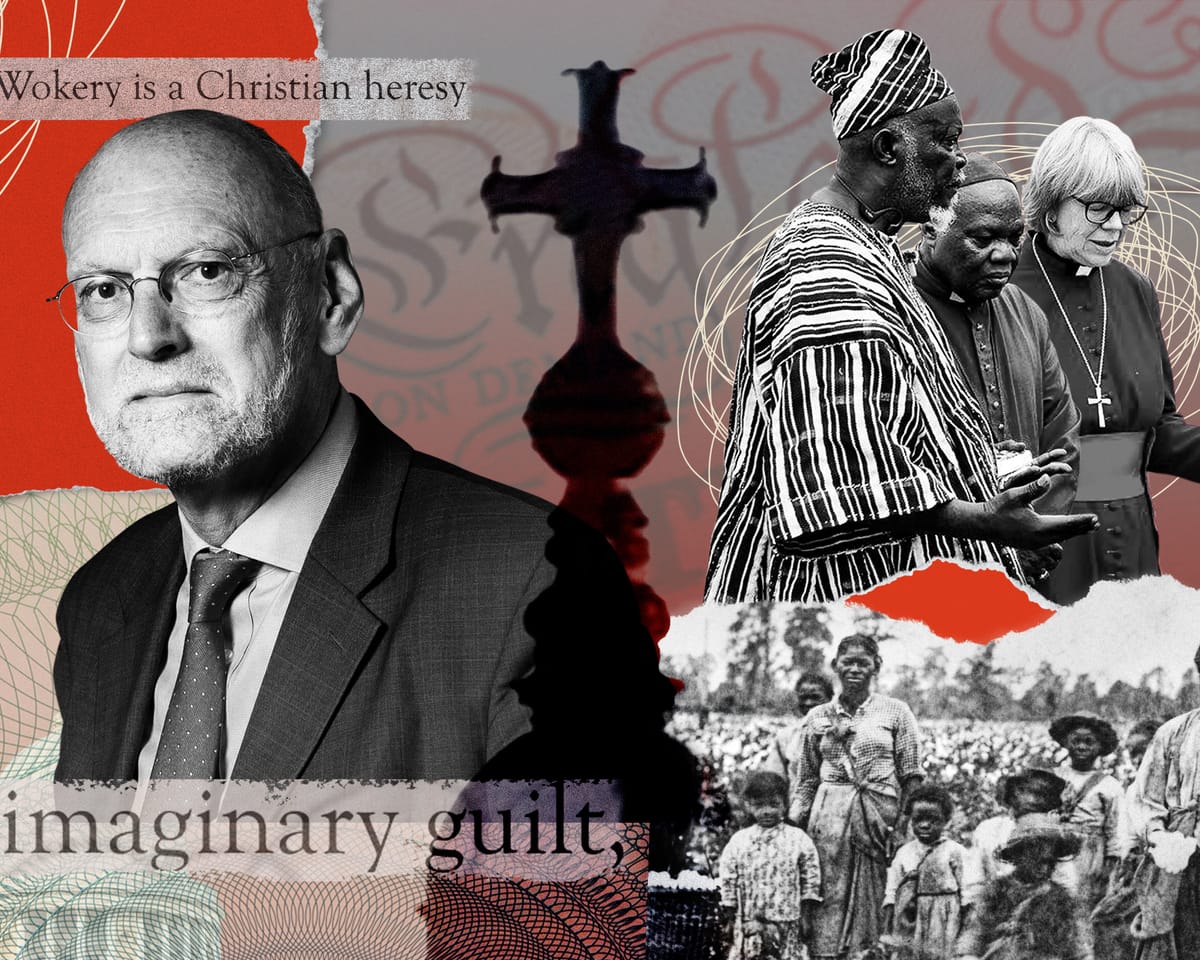
The debate surrounding the Church of England's plan to allocate £100 million for reparations related to its historical involvement in the slave trade has sparked significant controversy. Lord Nigel Biggar, a prominent critic, describes the initiative as "virtue signaling" by elites attempting to appear progressive. He has been vocal about his opposition, particularly through platforms like the Spectator podcast, where he discussed his views in a program named after his book, "Reparations: Slavery and the Tyranny of Imaginary Guilt."
The Fund for Healing, Repair, and Justice, internally referred to as Project Spire, was proposed by the Church's commissioners in 2023 to address its role in the transatlantic slave trade. This has led to a strong backlash, transforming Biggar into a leading voice for revisionist perspectives on colonialism and the British Empire. Media outlets including the Spectator, Daily Telegraph, Daily Mail, and the Times have published numerous articles against the fund, many authored by Biggar and like-minded individuals.
In the House of Commons, Conservative MP Katie Lam has spearheaded opposition, questioning ministers and coordinating a letter to the incoming archbishop, Sarah Mullally, critiquing the fund as "legally dubious." The media campaign has effectively delayed the fund's launch beyond its planned 2024 start, with the church admitting to facing potential legal challenges that could cause further delays.
This opposition appears to be part of a broader right-wing movement, supported by influential figures like Sir Paul Marshall, a wealthy financier. Marshall, through his media outlets like the Spectator and GB News, and his philanthropic activities, has provided a platform for critics of the fund, including Biggar.
The Church of England's decision to establish the fund followed years of internal reflection and research into its historical ties to slavery. The initial findings revealed connections to entities like the South Sea Company and the Royal African Company, which were deeply involved in the slave trade. The church has committed to using its endowment to support communities affected by these historical injustices.
Despite this commitment, the backlash has been intense. Critics argue that the fund could deter parishioner donations, although some polls suggest a majority would maintain or increase their contributions. The church insists that the fund's resources will not detract from parish support.
Sir Paul Marshall has expressed skepticism about the fund, suggesting the money could be better used for other purposes within the global Anglican Communion. Meanwhile, the Church of England maintains that addressing its historical links to slavery is a necessary act of repentance and responsible stewardship.
The controversy surrounding Project Spire highlights the complexities of addressing historical injustices and the varied perspectives within British society on how best to achieve reconciliation and reparative justice.
Read next
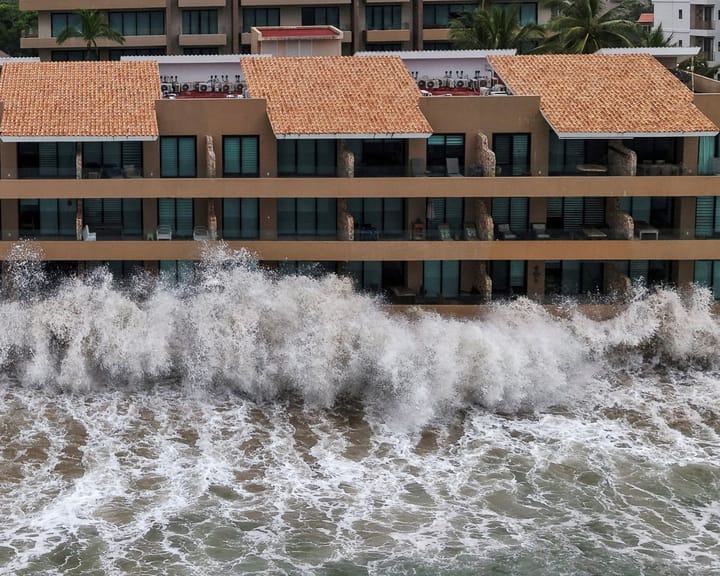
Five Fatalities Reported on Mexico’s Pacific Coast as Hurricane Simon and Tropical Storm Rachel Strike
At least five fatalities have occurred following the impact of Hurricane Simon and Tropical Storm Rachel on Mexico's Pacific coast, resulting in widespread flooding that toppled trees and power lines, obstructed roads, and flooded homes.
Governor Evelyn Salgado reported that a 71-year-old man died in Chilpancingo,

Digital Breach Causes Freezing Failure in Two French Supermarket Chains
French supermarket chains Intermarché and Cooperative U have experienced a significant cyber-attack that led to the defrosting of their refrigerators, according to statements from the retailers.
Approximately 150-200 Intermarché locations and nearly 100 Cooperative U stores were targeted in the attack, as reported on Monday. Paris prosecutors confirmed
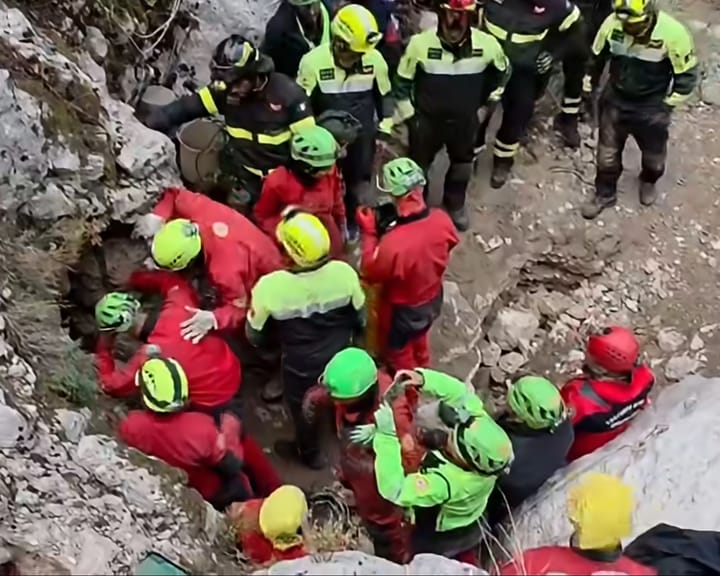
Man Freed from Sardinian Cave After 26-Hour Rockslide Ordeal
A 31-year-old man was rescued alive from a cave on the Italian island of Sardinia after being trapped about 10 meters underground for 26 hours due to a rockslide.
In an extensive and intricate rescue operation, emergency teams worked continuously after Luca Olmetto became trapped in the Gorroppeddu