

Intrepid Shifts Climate Strategy, Drops Carbon Offsets
One of the travel sector’s most environmentally conscious operators, Intrepid, has decided to end its carbon offset program and abandon existing emissions targets, deeming them unattainable.
The Australia-based global tour company announced it will instead allocate A$2 million (£980,000) annually to a verified "climate impact fund" that supports direct measures, including transitioning to electric vehicles and funding renewable energy projects.
Intrepid, known for small-group travel, stated it is discontinuing offsets and withdrawing from the Science Based Targets initiative (SBTi), five years after committing to its 2030 goals.
In a message to employees, Darrell Wade, Intrepid’s co-founder and chair, and CEO James Thornton, said: "Intrepid, and the broader travel industry, is not on course for a 1.5°C future. We need bolder steps to even come close."
Though Intrepid emphasizes the minimal footprint of its tours, it acknowledges that the biggest environmental impact comes from customers’ flights. Wade admitted two years ago that offsets lacked credibility.
The letter criticized governments for lacking ambitious policies on renewable energy and sustainable aviation fuels, stating: "We cannot uphold a target we know we won’t achieve."
Thornton argued that the shift would enhance transparency and trust, rather than alienate customers. He told *CuriosityNews*: "We were the first tour operator to adopt science-based targets, and now we’re acknowledging they don’t work for us. Honesty builds trust."
The new fund and goal to reduce the "carbon intensity" of each trip were designed by climate experts and will be reviewed by independent auditors.
Efforts will include promoting shorter domestic trips, reducing long-haul flights, and expanding flight-free itineraries with more walking and trekking options.
Environmental advocates have long dismissed offsets, pushing instead for reduced flying. Doug Parr, Greenpeace UK’s chief scientist, said offset programs let "airlines and major polluters falsely claim sustainability while continuing heavy emissions."
He endorsed a frequent flyer levy, exempting the first annual flight to avoid penalizing family holidays but increasing costs for frequent travelers, who drive most air traffic growth.
Thornton noted that meaningful climate action remains a priority for Intrepid’s leadership but added: "We must acknowledge that travel, as it stands, is not sustainable."
Read next

US Postal Service faces cash shortage by Feb 2027, agency chief warns
The United States Postal Service faces a cash shortfall within the next twelve months unless Congress removes the borrowing limit imposed on the agency, the postmaster general warned.
Speaking to the Associated Press, David Steiner said the service – which funds its operations through stamps and fees rather than tax revenue

UniCredit launches aggressive bid for Commerzbank as European takeover war intensifies
Two major European banks have entered a €35 billion (£30 billion) takeover contest after Italy’s UniCredit intensified its long‑standing bid for German lender Commerzbank, despite firm resistance from the German government.
UniCredit initially acquired a 9 % stake in Commerzbank in September 2024 and has since increased its holding
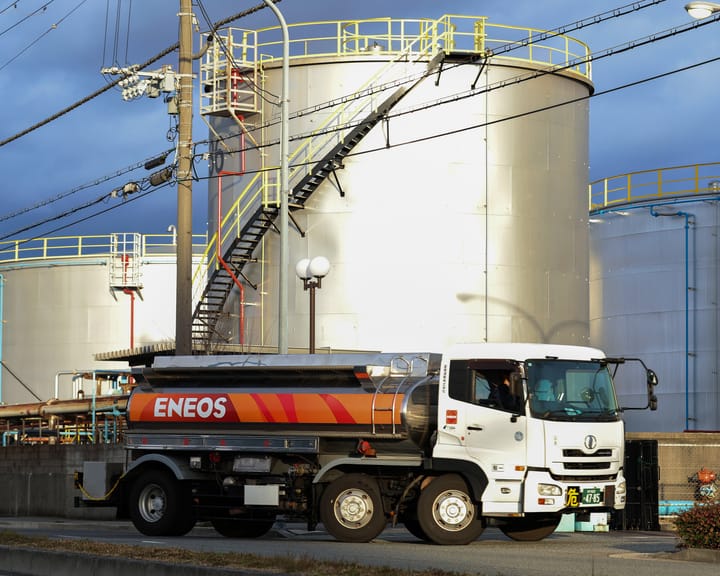
IEA weighs tapping additional oil reserves amid Iran conflict driving up prices
The international energy regulator is weighing another release of emergency crude reserves into the world market to temper climbing oil prices, after cautioning that market recovery will be slow following the ongoing strait of Hormuz crisis.
Fatih Birol, chief of the International Energy Agency, noted that member nations still hold