

Intrepid Shifts Climate Strategy, Drops Carbon Offsets
One of the travel sector’s most environmentally conscious operators, Intrepid, has decided to end its carbon offset program and abandon existing emissions targets, deeming them unattainable.
The Australia-based global tour company announced it will instead allocate A$2 million (£980,000) annually to a verified "climate impact fund" that supports direct measures, including transitioning to electric vehicles and funding renewable energy projects.
Intrepid, known for small-group travel, stated it is discontinuing offsets and withdrawing from the Science Based Targets initiative (SBTi), five years after committing to its 2030 goals.
In a message to employees, Darrell Wade, Intrepid’s co-founder and chair, and CEO James Thornton, said: "Intrepid, and the broader travel industry, is not on course for a 1.5°C future. We need bolder steps to even come close."
Though Intrepid emphasizes the minimal footprint of its tours, it acknowledges that the biggest environmental impact comes from customers’ flights. Wade admitted two years ago that offsets lacked credibility.
The letter criticized governments for lacking ambitious policies on renewable energy and sustainable aviation fuels, stating: "We cannot uphold a target we know we won’t achieve."
Thornton argued that the shift would enhance transparency and trust, rather than alienate customers. He told *CuriosityNews*: "We were the first tour operator to adopt science-based targets, and now we’re acknowledging they don’t work for us. Honesty builds trust."
The new fund and goal to reduce the "carbon intensity" of each trip were designed by climate experts and will be reviewed by independent auditors.
Efforts will include promoting shorter domestic trips, reducing long-haul flights, and expanding flight-free itineraries with more walking and trekking options.
Environmental advocates have long dismissed offsets, pushing instead for reduced flying. Doug Parr, Greenpeace UK’s chief scientist, said offset programs let "airlines and major polluters falsely claim sustainability while continuing heavy emissions."
He endorsed a frequent flyer levy, exempting the first annual flight to avoid penalizing family holidays but increasing costs for frequent travelers, who drive most air traffic growth.
Thornton noted that meaningful climate action remains a priority for Intrepid’s leadership but added: "We must acknowledge that travel, as it stands, is not sustainable."
Read next
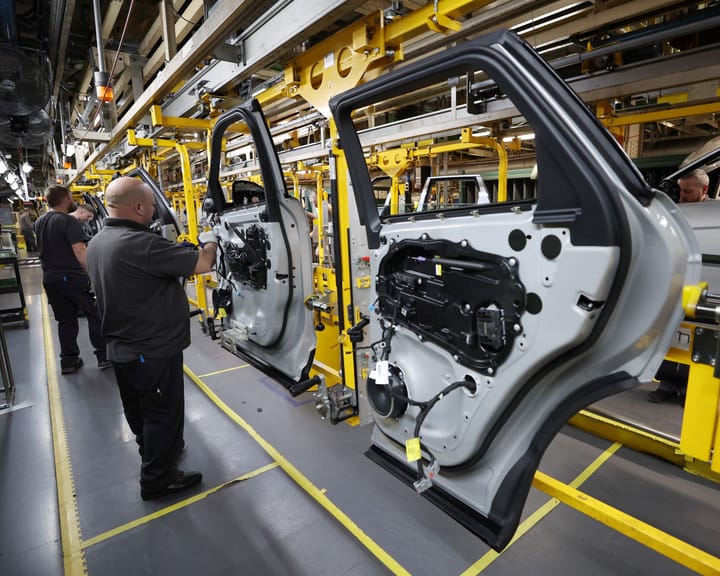
Jaguar Land Rover suppliers voice ‘everything is against us’ amid cutbacks
David Roberts, chair of Coventry-based Evtec, says the outlook for Britain’s automotive sector is grim, with “everything against us.” Evtec is a tier 1 supplier to Jaguar Land Rover, which this week announced 4,000 job cuts over two years despite chancellor John Healey’s attempt to talk
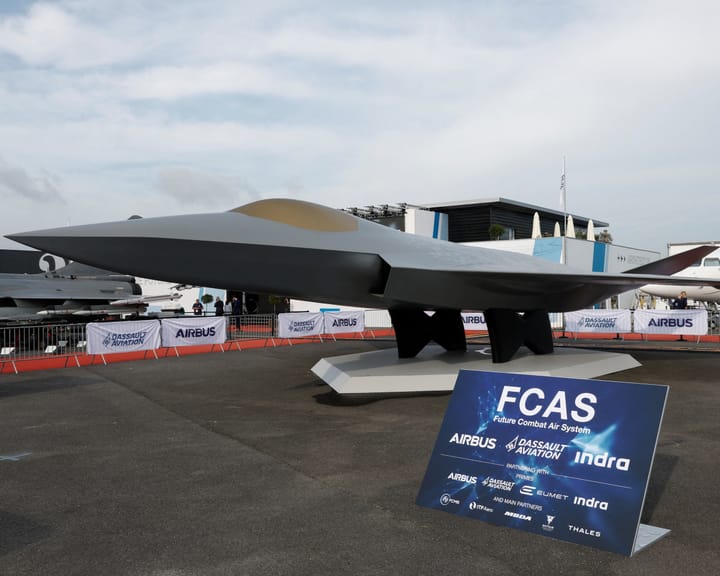
Europe’s fighter jet plans in disarray: what comes next?
When former ECB president and Italian PM Mario Draghi urged Europe to catch up economically with the US and China, defence collaboration was prescribed. No more should each nation build independent boats, tanks or jets; allies should share costs and technologies.
Europe stumbled at the first hurdle. German Chancellor Friedrich
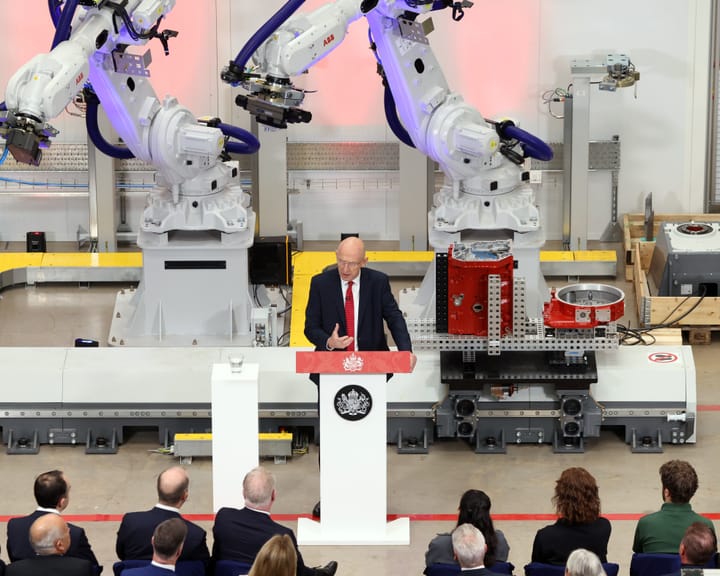
John Healey supports growth but insists Labour must be truthful about spending
John Healey has stated that his primary goal as chancellor will be to boost economic growth, while acknowledging that Labour must be straightforward about controlling public spending at next month's budget.
In his first major address since assuming the role in July, Healey said the leading focus of