
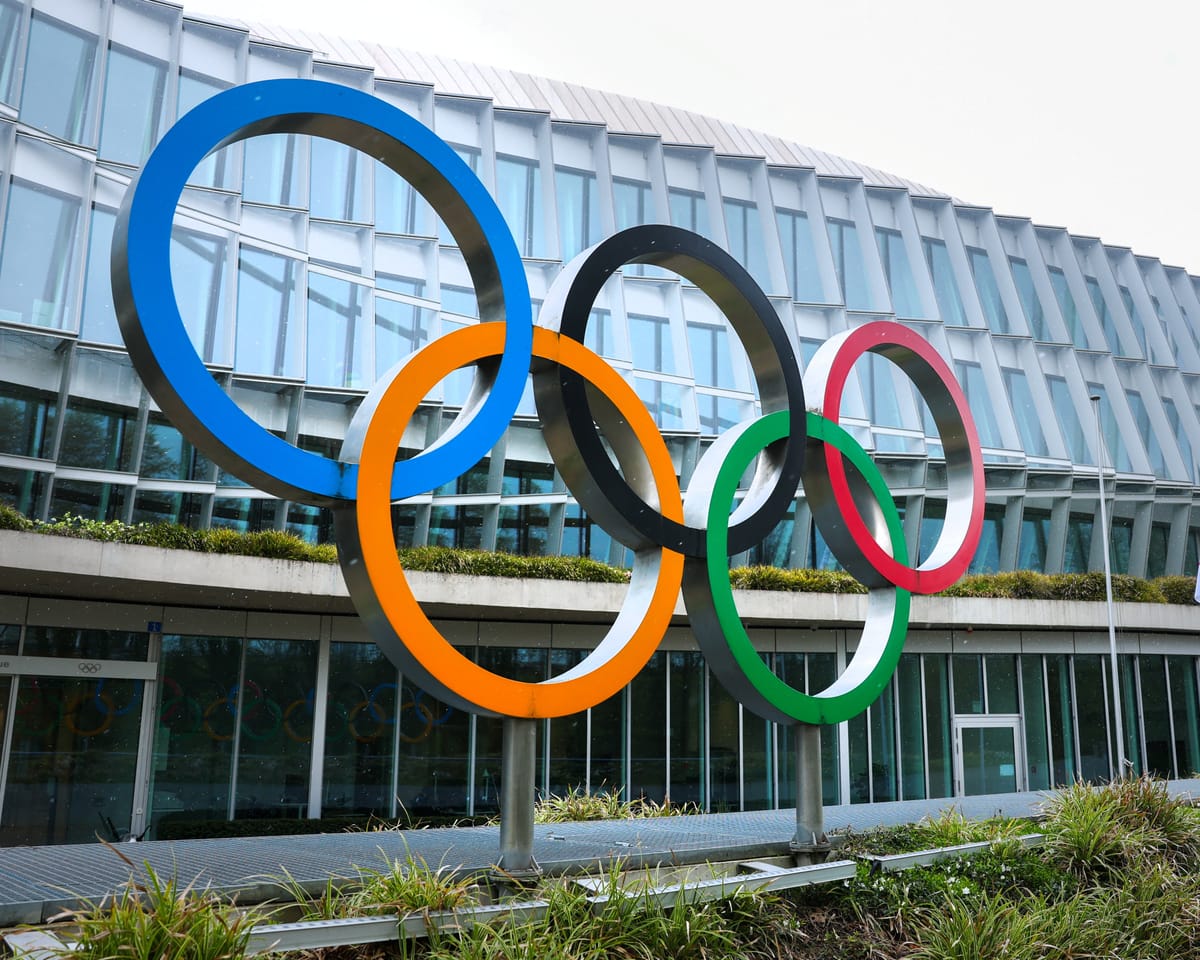
The International Olympic Committee hasbarred transgender women and athletes with differences of sex development from competing in the female category at the 2028 Los Angeles Olympics and all future editions. Kirsty Coventry, IOC president, remarked: “It would not be equitable for biologically male individuals to take part in the women’s division.”
The IOC also stated that any athlete wishing to enter the female category at upcoming Olympics must undergo a single SRY‑gene test to establish biological sex. This is normally performed with a painless cheek‑swab or saliva sample.
Coventry explained that the ruling, covering both individual and team events, rests on scientific evidence and aims to safeguard the fairness and safety of women’s sport. “Having been an athlete myself, I firmly support every Olympian’s right to compete on equal terms.
“The policy we have unveiled rests on science and was shaped by medical specialists. At the Olympics, even the tiniest margins can separate winning from losing. Therefore it is evident that allowing biologically male competitors in the women’s field would be unfair. Moreover, in certain disciplines it would pose a safety risk.
“All competitors deserve dignity and respect, and they will need to be tested just once in their lives. Transparent information about the procedure and access to counselling, together with expert medical guidance, must be provided.”
The debate over transgender and DSD participation in women’s sport has persisted for over ten years.
In 2021, New Zealand weight‑lifter Laurel Hubbard became the first transgender woman to appear at an Olympic Games after her transition.
Several prominent cases involve DSD athletes who were registered female at birth yet possess male chromosomes and testosterone levels, earning Olympic medals. Examples include South African Caster Semenya, victor of the women’s 800 m in 2012 and 2016, and boxer Imane Khelif, who medalled in Paris 2024.
In a ten‑page briefing paper detailing its new stance, the IOC clarifies that transgender women who have moved from male to female, as well as athletes with a DSD, keep the benefits acquired during male puberty.
“Most running and swimming events show a 10‑12 % male performance edge,” the document notes. “Most throwing and jumping events exhibit a 20 %+ male advantage, and in explosive‑power disciplines such as collisions, weightlifting and boxing the male edge can exceed 100 %.”
“Athletes with an XY karyotype who are transgender or have an XY‑DSD normally possess testes and testosterone concentrations within the male range,” it continues. “The overwhelming majority are androgen‑responsive, meaning their bodies utilise that testosterone throughout growth, development and their sporting careers.”
Read next
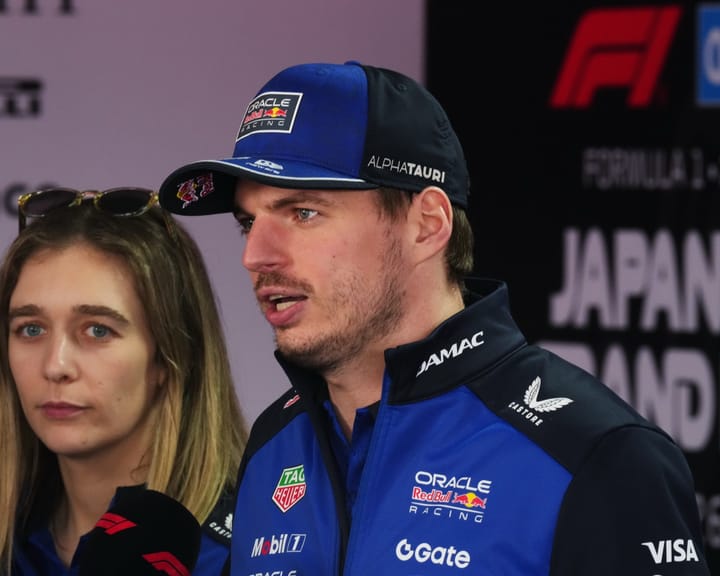
Why Max Verstappen Told Me toLeave the Press Conference
Overall, I consider myself fortunate to have a career that pays me to report on Formula One, a sport I’ve followed since 1976. Thus I hesitate to complain, yet I was genuinely upset when Max Verstappen removed me from his press briefing on Thursday at the Japanese Grand Prix,
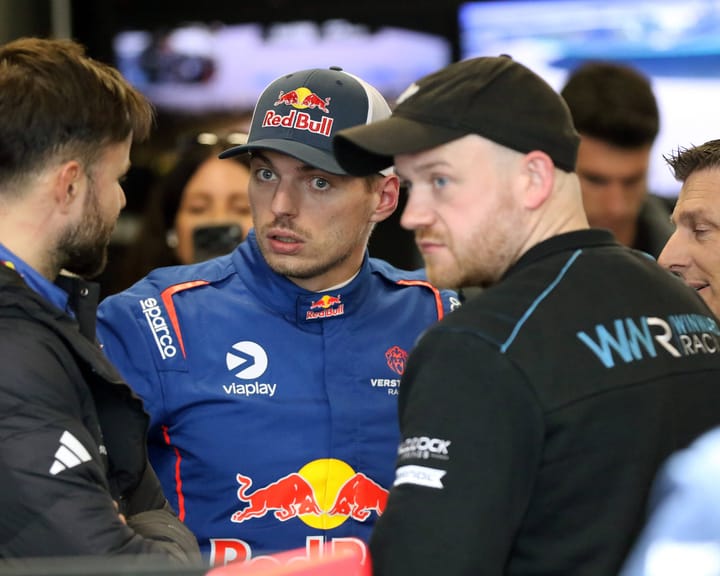
Max Verstappen loses Nürburgring win after tyre mistake leads to disqualification
Max Verstappen paused a difficult Formula One campaign by taking part in a four‑hour contest at Germany’s Nürburgring on Saturday, where he crossed the line first only to be officially stripped of the win.
The Dutch four‑time champion has indicated he intends to compete in the prestigious
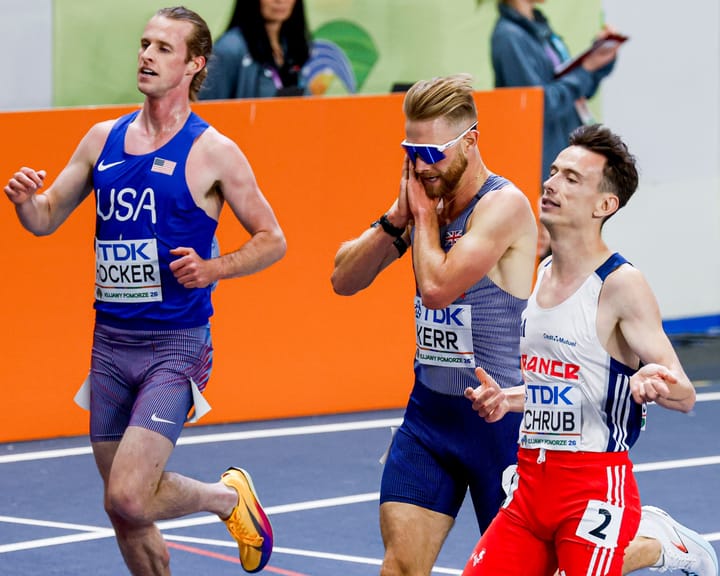
Josh Kerr clinches world indoor gold, mocks rival with a “night night” gesture.
Josh Kerr often pairs outstanding performance with provocation, a mix that makes him a fascinating competitor. After clinching a dramatic world indoor 3,000‑metre title in Toruń, the British runner promptly delivered a pointed response.
As he crossed the finish line, Kerr mimicked NBA star Steph Curry’s “night