
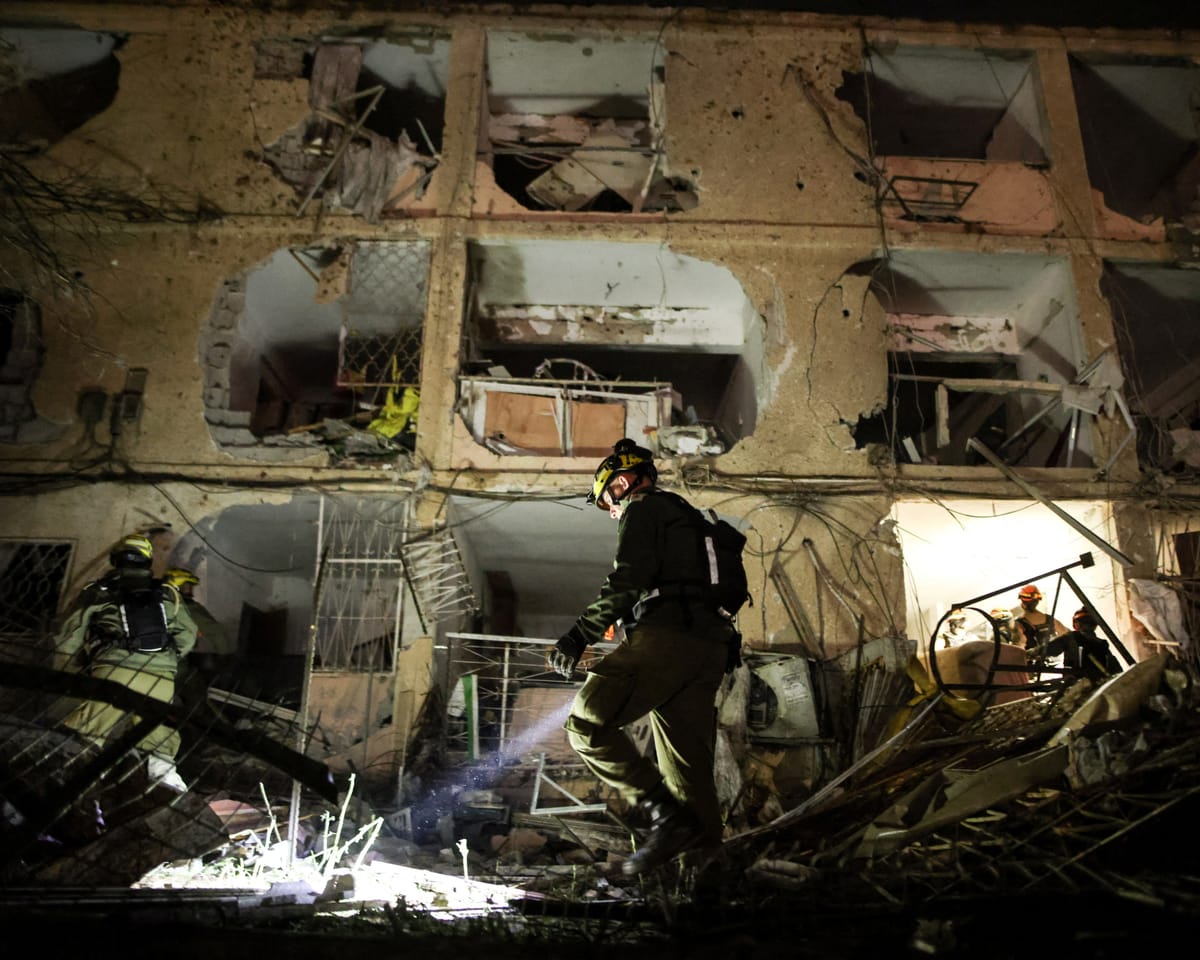
An Iranian missile struck the Israeli town of Dimona, which houses a nuclear installation, in what Tehran described as retaliation for attacks on its own nuclear site at Natanz.
Dimona contains a facility just outside the town that is widely thought to hold the Middle East’s only nuclear stockpile, although Israel has never confirmed possessing nuclear weapons.
Iran’s atomic‑energy agency earlier blamed the United States and Israel for hitting the Natanz enrichment complex, but said no release of radioactive material had been reported.
The Israeli army told AFP that a missile hit a building in Dimona directly, and Magen David Adom first‑responders said they treated 33 injured people at several locations, including a 10‑year‑old boy in serious condition with shrapnel wounds.
“There was extensive damage and chaos at the scene,” paramedic Karmel Cohen said.
The Israeli military said interception attempts were made after the missiles were detected.
Images released by Israeli media showed an object speeding down from the sky before crashing into the town.
Iranian state television called the strike a “response” to the earlier attack on Natanz.
Following that incident, the head of the UN nuclear watchdog, Rafael Grossi, reiterated a call for military restraint to avoid any risk of a nuclear accident.
The Natanz plant houses underground centrifuges used to enrich uranium for Iran’s contested nuclear programme and had already been damaged in the June war of last year.
When asked about Natanz, the Israeli defence force said it was not aware of a strike.
The Israeli military also said on Saturday it had hit a facility within a Tehran university that is used by Iran’s military‑industrial complex and ballistic‑missile programme to develop nuclear‑weapon components.
Three weeks of intensive US‑Israeli bombing have done little to curb Iran’s capacity to launch missile and drone attacks across the region.
The United Arab Emirates said on Saturday it had come under aerial attack after Iran warned it against permitting strikes from its territory on disputed islands near the strategic Strait of Hormuz.
Iran has blocked the vital waterway, which carries about one‑fifth of global crude‑oil trade in peacetime.
Admiral Brad Cooper, commander of US Central Command, said US aircraft had dropped 5,000‑pound bombs on an underground site on Iran’s coast that stored anti‑ship cruise missiles, mobile launchers and other equipment, reducing Iran’s ability to threaten the strait.
“We not only destroyed the facility, but also eliminated intelligence‑support sites and missile‑radar relays that were used to monitor ship movements,” Cooper said in a video statement, detailing a strike first announced on Tuesday.
Read next
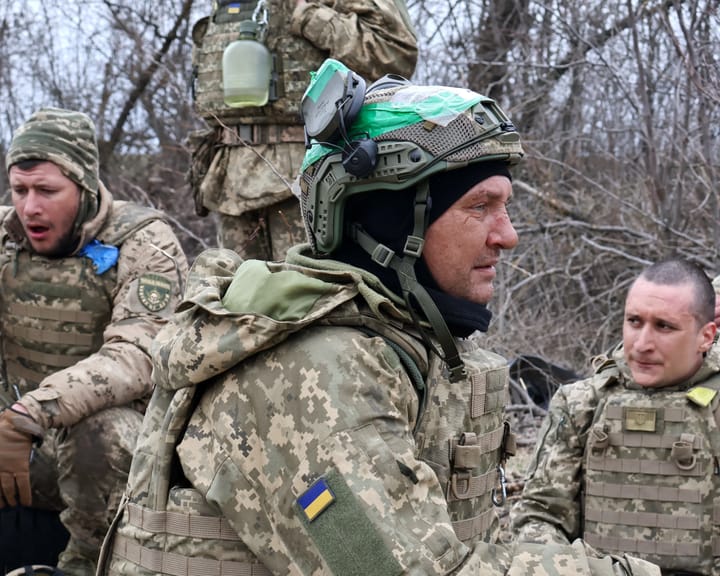
US and Ukrainian negotiators convene in Florida amid rising civilian deaths from Russian attacks
Ukrainian and American negotiators aiming to forge a peace deal to end Russia’s invasion began a new round of talks in Florida on Saturday, with additional sessions scheduled for the weekend. Russian delegates were absent from the gathering. “We kept working on the main issues and the next steps
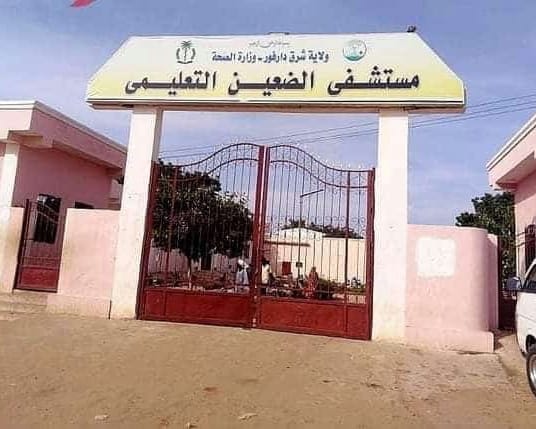
WHO says Sudan hospital strike kills at least 64, injures 89.
The World Health Organization said on Saturday that an attack on a medical centre in Sudan killed 64 individuals and injured 89 others.
Earlier, the United Nations humanitarian agency in Sudan expressed that it was “appalled by the assault on a hospital in East Darfur yesterday, reportedly killing dozens, among
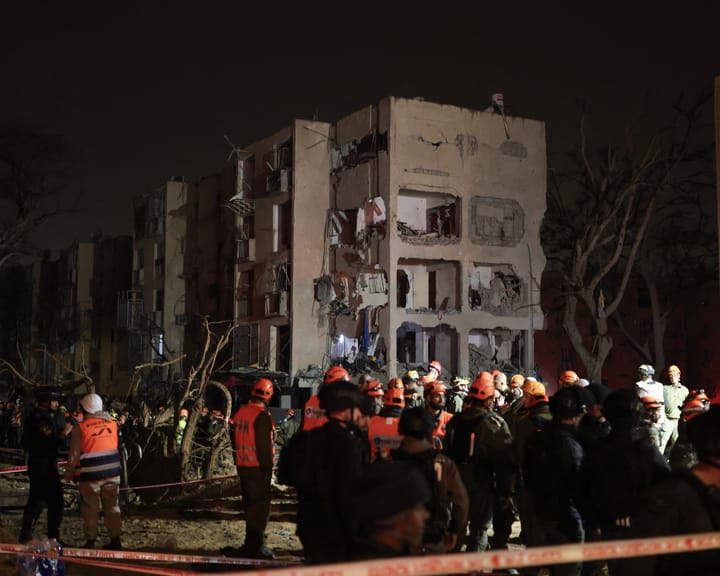
Nearly 100 injured as Iranian missiles strike southern Israel
On Saturday a salvo of Iranian ballistic missiles injured roughly one hundred people in southern Israel, striking the towns of Arad and Dimona after air‑defence units were unable to stop at least two projectiles.
Among those hurt were a 12‑year‑old boy and a five‑year‑old girl,