
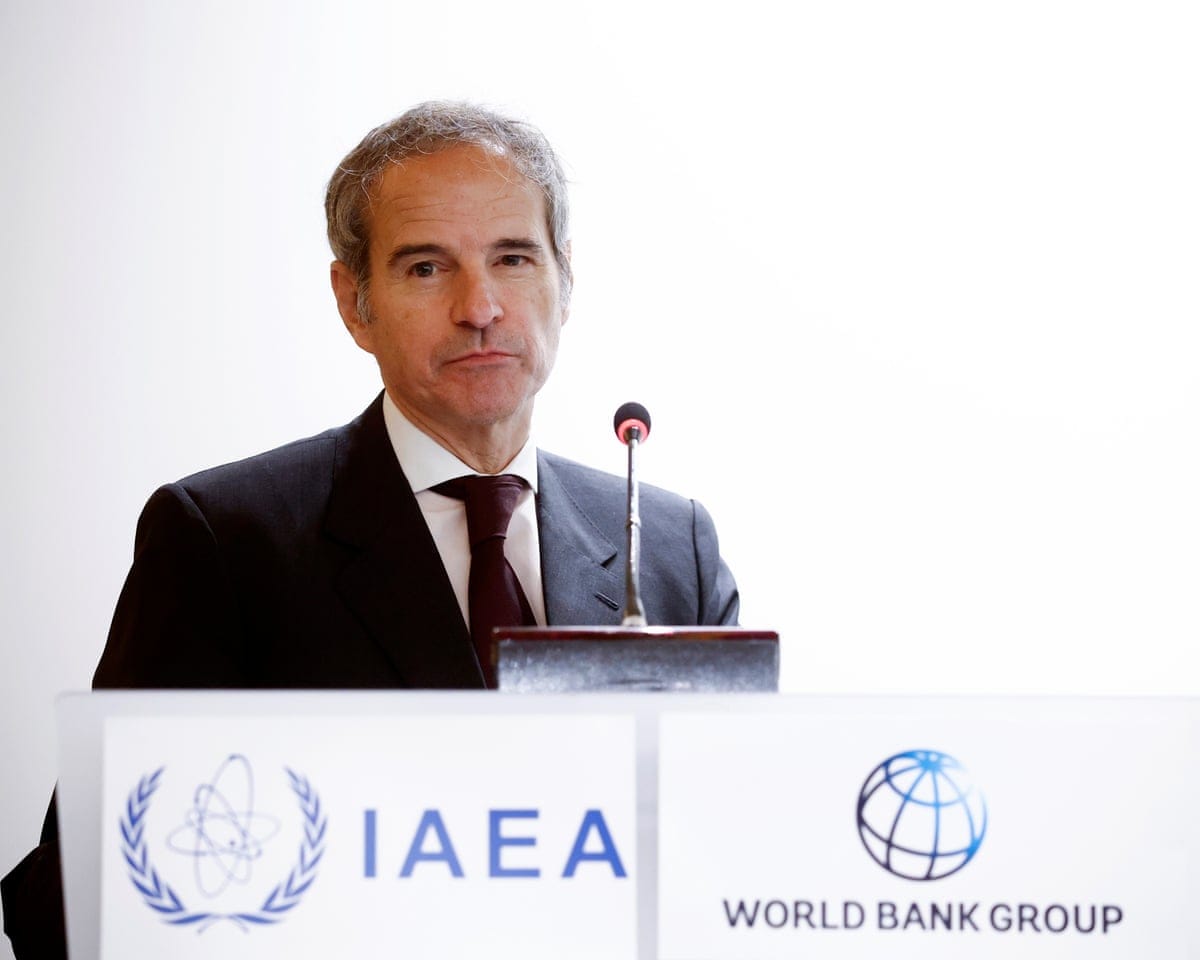
The head of the UN’s nuclear monitoring agency has stated that Iran could resume uranium enrichment “in a matter of months.” His comments came after he dismissed Donald Trump’s claim that U.S. strikes had fully destroyed Tehran’s nuclear facilities.
Rafael Grossi, director general of the International Atomic Energy Agency (IAEA), told CBS News that the strikes on three Iranian sites caused significant damage but were not total.
“To be frank, it’s not accurate to say everything has been wiped out,” he said. “They [Iran] could have, within months—perhaps even sooner—several cascades of centrifuges operational and producing enriched uranium. Iran has the necessary industrial and technical capabilities.”
His assessment aligned with a preliminary U.S. intelligence report suggesting that the bombings delayed Iran’s nuclear program by only a few months. A source speaking to Reuters estimated that operations could restart within one to two months.
On June 13, Israel conducted a large-scale attack on Iran, striking nuclear facilities, military leaders, and scientists. Israel justified its actions as efforts to prevent Iran from developing nuclear weapons, a goal Tehran has repeatedly denied pursuing. The U.S. later joined, bombing three key sites.
Recently, uncertainty has grown over the extent of damage to Iran’s nuclear program and whether it managed to move part or all of its highly enriched uranium stockpile—estimated at 408kg—before the attacks.
“We don’t know where this material is now,” Grossi told CBS. “Some may have been destroyed, while some could have been relocated. Clarification is necessary at some point.”
Iran’s foreign minister, Abbas Araghchi, called the damage to nuclear sites “serious,” but specifics remain unclear.
In a Fox News interview scheduled for Sunday, Trump insisted the uranium had not been moved. “It’s extremely difficult, and we didn’t give them much warning,” he said, according to excerpts. “They didn’t relocate anything.”
European diplomats may use Grossi’s remarks to persuade Trump that diplomacy is needed to address Iran’s nuclear future.
Meanwhile, IAEA inspectors remain barred from Iran until the country’s Supreme National Security Council receives assurances its nuclear sites won’t be attacked again—a condition that nearly breaches the nuclear non-proliferation treaty.
The ban on inspections has coincided with personal attacks against Grossi. Before Israel’s strike, Iranian officials attempted to discredit the IAEA following a report detailing Iran’s non-compliance with the agency’s inspectors.
Read next
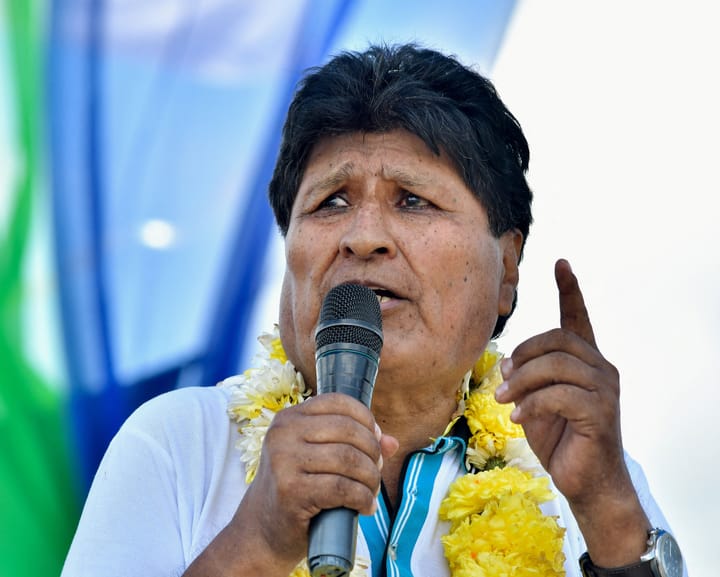
Bolivia Probes Ex-President Evo Morales for Suspected Involvement in 2009 Killings
The Bolivian attorney general has initiated an investigation into former leftist president Evo Morales, citing allegations of his involvement in the murder and torture of European nationals in 2009.
In 2009, police conducted a raid on a Santa Cruz hotel, resulting in the deaths of Eduardo Rózsa Flores, a Bolivian-
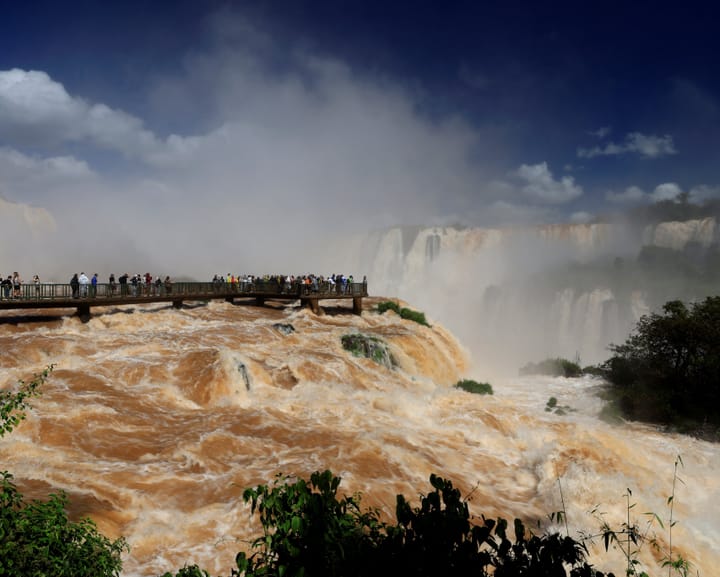
Argentina Closes Iguazu Falls Temporarily Due to El Niño-Induced Water Surge
Heavy rainfall driven by a potent El Niño weather pattern temporarily led Argentinian authorities to close tourist access to the renowned Iguazu Falls. The closure occurred due to concerns that rising water levels might cause the river to overflow its banks.
On Monday, national park officials implemented this precautionary measure
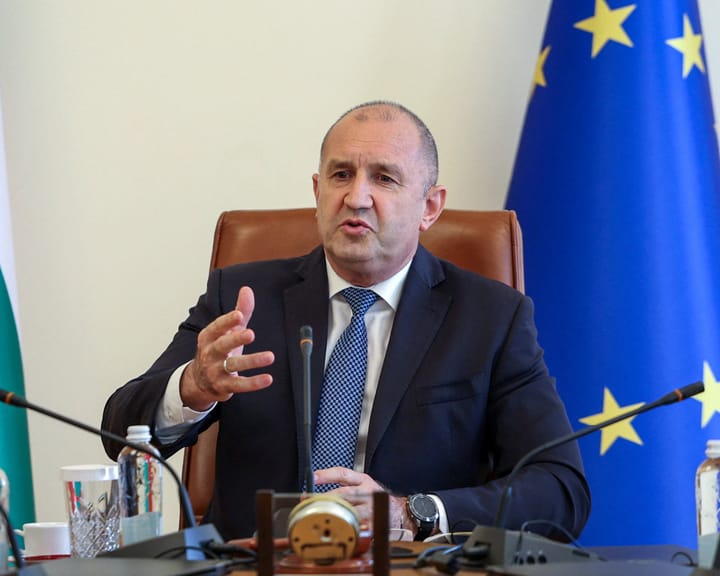
Mysterious Drones Strike Two Vessels Near Bulgarian Coast – Europe Live
Morning Update: Two Ships Targeted by Drones Off Bulgarian Coast
This morning, two ships in the Black Sea near Bulgaria were struck by drones of unknown origin. The attack led to the sinking of one vessel and initiated emergency rescue operations, as reported by Bulgarian Prime Minister Rumen Radev. Rescue