
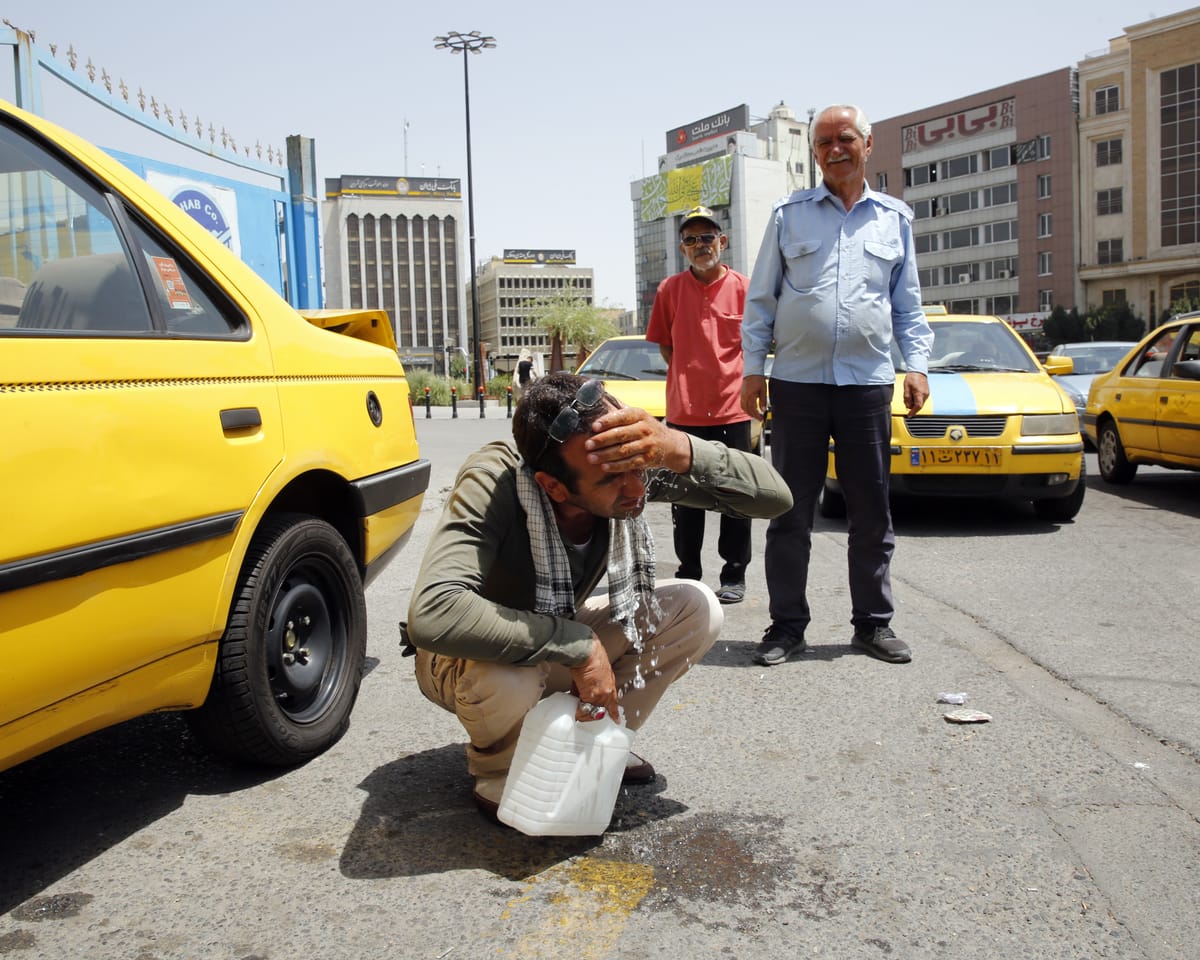
Iranian officials have urged residents to reduce water usage as severe heatwaves and water shortages persist across the country.
According to meteorological reports, Iran is enduring its hottest week this year, with temperatures surpassing 50°C in certain regions.
Alongside extreme heat, the nation faces a critical water shortage. The drought, now in its fifth year, has worsened due to significantly lower rainfall. Energy Minister Abbas Aliabadi recently stated that discussions on water imports are ongoing with neighboring nations, including Turkmenistan, Afghanistan, Tajikistan, and Uzbekistan.
Iran relies on numerous dams built since the 1950s, but prolonged drought has severely diminished their output. Infrastructure challenges and heatwaves have also led to widespread power disruptions.
Government spokesperson Fatemeh Mohajerani announced over the weekend an additional public holiday in Tehran province due to the persistent heat.
"Given the ongoing extreme temperatures and the need to conserve water and electricity, Wednesday has been designated a holiday in Tehran," she posted on social media.
Hussain Hassan, a resident in his late 50s, described the intense heat in Tehran, making it difficult to walk in direct sunlight. "It feels like my skin will burn. My clothes soak with sweat so fast that I need to shower twice daily in this heat," he said. "Thankfully, my area hasn’t suffered water shortages yet."
However, Hassan noted that some parts of Tehran have faced water rationing, with outages lasting up to 12 hours or more.
Climatologist Maximiliano Herrera reported that Shabankareh, in southwestern Iran, recorded 52.8°C over the weekend—possibly the highest temperature this year, pending verification of a 53°C reading in Kuwait. Meteorologists in the UK observed 51.6°C in Abadan on 17 July, while Ahvaz reached 50.3°C on Monday.
Tehran’s temperatures climbed from 40°C on Sunday to 41°C on Monday. "It feels well above 45 degrees," Hassan remarked.
His primary concern, however, is dwindling water supplies. Reservoirs are critically low, and the Karaj Dam, which supplies Tehran, has reached its lowest recorded level.
Climate change has increased the frequency and severity of heatwaves worldwide. Events like the 2021 heatwave in western Canada and the U.S. would have been nearly impossible without global warming.
During a cabinet meeting on Sunday, Iranian President Masoud Pezeshkian issued a dire warning. "The water crisis is far graver than currently acknowledged. Without immediate action, we risk an even more severe situation in the future."
Read next

Digital Breach Causes Freezing Failure in Two French Supermarket Chains
French supermarket chains Intermarché and Cooperative U have experienced a significant cyber-attack that led to the defrosting of their refrigerators, according to statements from the retailers.
Approximately 150-200 Intermarché locations and nearly 100 Cooperative U stores were targeted in the attack, as reported on Monday. Paris prosecutors confirmed
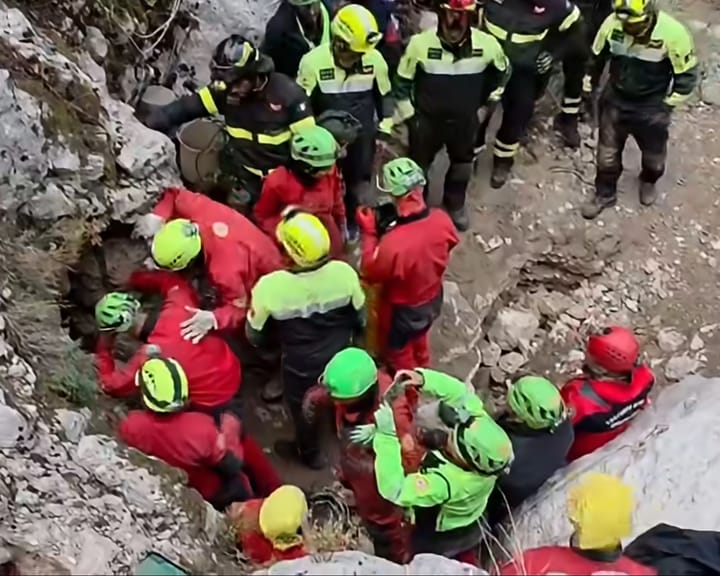
Man Freed from Sardinian Cave After 26-Hour Rockslide Ordeal
A 31-year-old man was rescued alive from a cave on the Italian island of Sardinia after being trapped about 10 meters underground for 26 hours due to a rockslide.
In an extensive and intricate rescue operation, emergency teams worked continuously after Luca Olmetto became trapped in the Gorroppeddu

Marché des Enfants Rouges, Known as Paris' 'Coolest Market,' Ravaged by Fire
A devastating fire has swept through Paris's oldest surviving covered food market, a beloved street food destination in the Marais district. This historical venue, which attracted both locals and tourists daily, dates back to the 17th century.
Ariel Weil, the mayor of central Paris, described the Marché des