
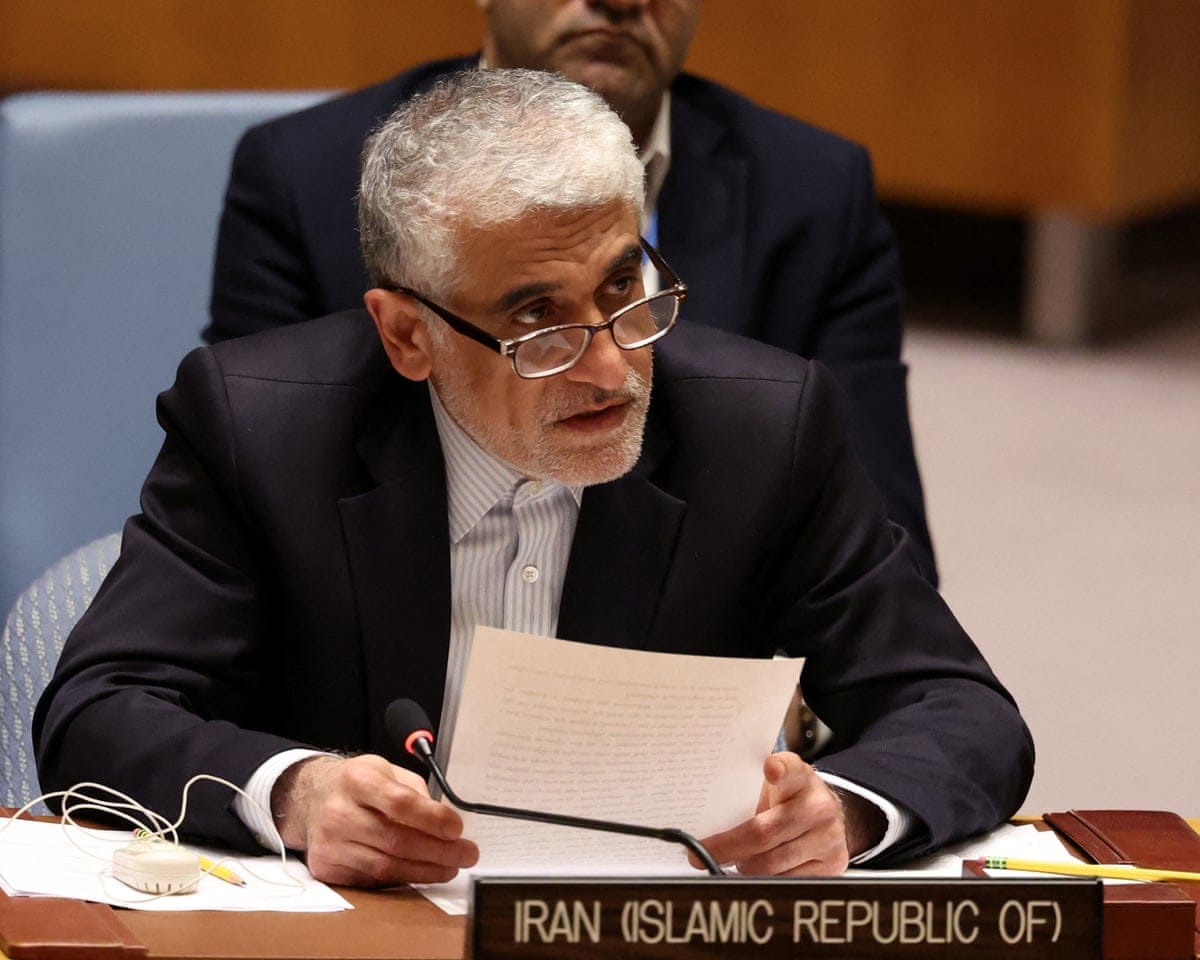
Amir-Saeid Iravani, Iran’s envoy to the United Nations, stated on Sunday that the country’s nuclear enrichment activities "will never cease," as they are permitted for civilian energy purposes under international agreements.
“Enrichment is our right, an unassailable one, and we intend to uphold it,” Iravani told *CBS News*. He noted that Iran remained open to talks but stressed that "unconditional submission is not negotiation. It amounts to imposing demands on us."
However, Iravani added that Tehran was not currently prepared for renewed discussions, citing recent tensions. “After this aggression, conditions are not suitable for further talks, and there’s been no request for negotiations involving the president,” he remarked.
The diplomat also dismissed allegations that Iranian authorities had threatened Rafael Grossi, head of the International Atomic Energy Agency (IAEA), or its inspectors, who some Iranian officials accuse of aiding Israel’s justifications for attacks. IAEA personnel remain in Iran but are barred from nuclear sites.
When pressed by *CBS*’s Margaret Brennan on whether he denounced calls by Iran-linked media for Grossi’s arrest, Iravani affirmed he would. “There is no threat,” he said, though he acknowledged parliament had halted cooperation with the IAEA. Inspectors, he stated, “remain in Iran safely, but their work is suspended. They lack site access… we believe they have not fulfilled their duties.”
Addressing stalled diplomatic efforts, Iravani criticized past U.S. demands for “unconditional surrender,” stating Washington’s approach amounted to coercion. “If they seek real talks, we are prepared. But dictating terms makes dialogue impossible.”
Iravani reportedly suggested on Saturday that Iran might relocate enriched uranium stocks abroad if an agreement with the U.S. were reached, according to *Al-Monitor*. Transferring uranium enriched to 20% and 60% would not violate Iran’s stance, he said, though keeping it domestically under IAEA oversight remained an option.
Nevertheless, he reiterated Iran’s refusal to abandon its uranium production rights—a key point of contention with Washington.
The remarks follow intensified Western pressure for Iran to restart nuclear talks, days after U.S. military action sparked debate over whether strikes had severely damaged or merely disrupted Iran’s nuclear operations.
Read next
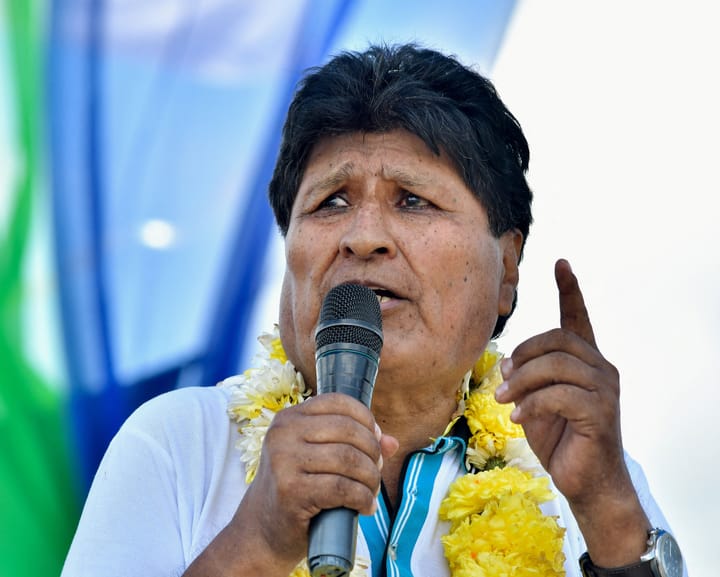
Bolivia Probes Ex-President Evo Morales for Suspected Involvement in 2009 Killings
The Bolivian attorney general has initiated an investigation into former leftist president Evo Morales, citing allegations of his involvement in the murder and torture of European nationals in 2009.
In 2009, police conducted a raid on a Santa Cruz hotel, resulting in the deaths of Eduardo Rózsa Flores, a Bolivian-
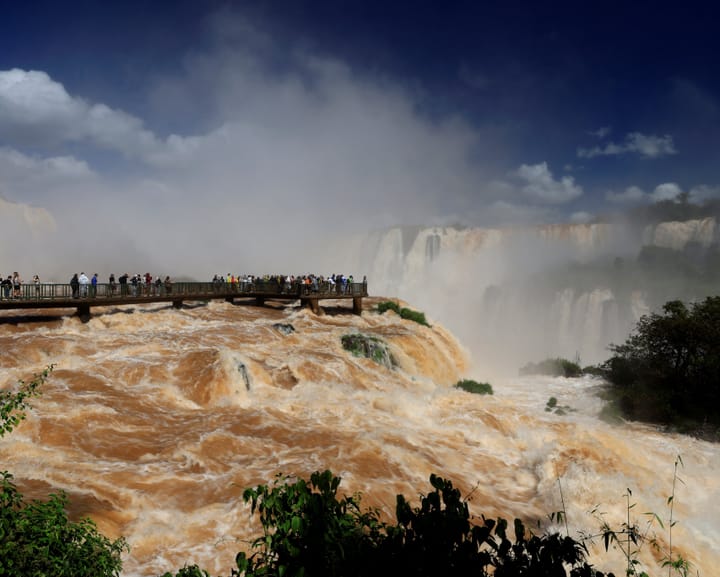
Argentina Closes Iguazu Falls Temporarily Due to El Niño-Induced Water Surge
Heavy rainfall driven by a potent El Niño weather pattern temporarily led Argentinian authorities to close tourist access to the renowned Iguazu Falls. The closure occurred due to concerns that rising water levels might cause the river to overflow its banks.
On Monday, national park officials implemented this precautionary measure
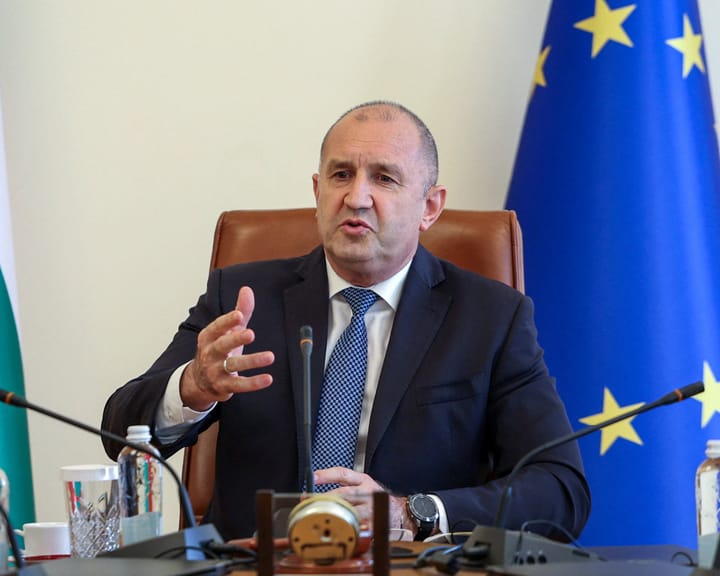
Mysterious Drones Strike Two Vessels Near Bulgarian Coast – Europe Live
Morning Update: Two Ships Targeted by Drones Off Bulgarian Coast
This morning, two ships in the Black Sea near Bulgaria were struck by drones of unknown origin. The attack led to the sinking of one vessel and initiated emergency rescue operations, as reported by Bulgarian Prime Minister Rumen Radev. Rescue