
Oil prices dominate the energy discussion during Middle‑East conflicts for obvious reasons: the commodity still powers the global economy, and analysts have fairly dependable models linking each $10‑per‑barrel rise to slower growth and higher inflation.
Consequently, we are far from entering “oil‑shock” territory. Monday’s climb to $79 a barrel, a 9 % jump since the end of last week, is notable—especially compared with the $62 level at the start of the year—but it pales beside the $125 spike that followed Russia’s invasion of Ukraine in 2022 and the three‑month stretch when prices stayed above $100.
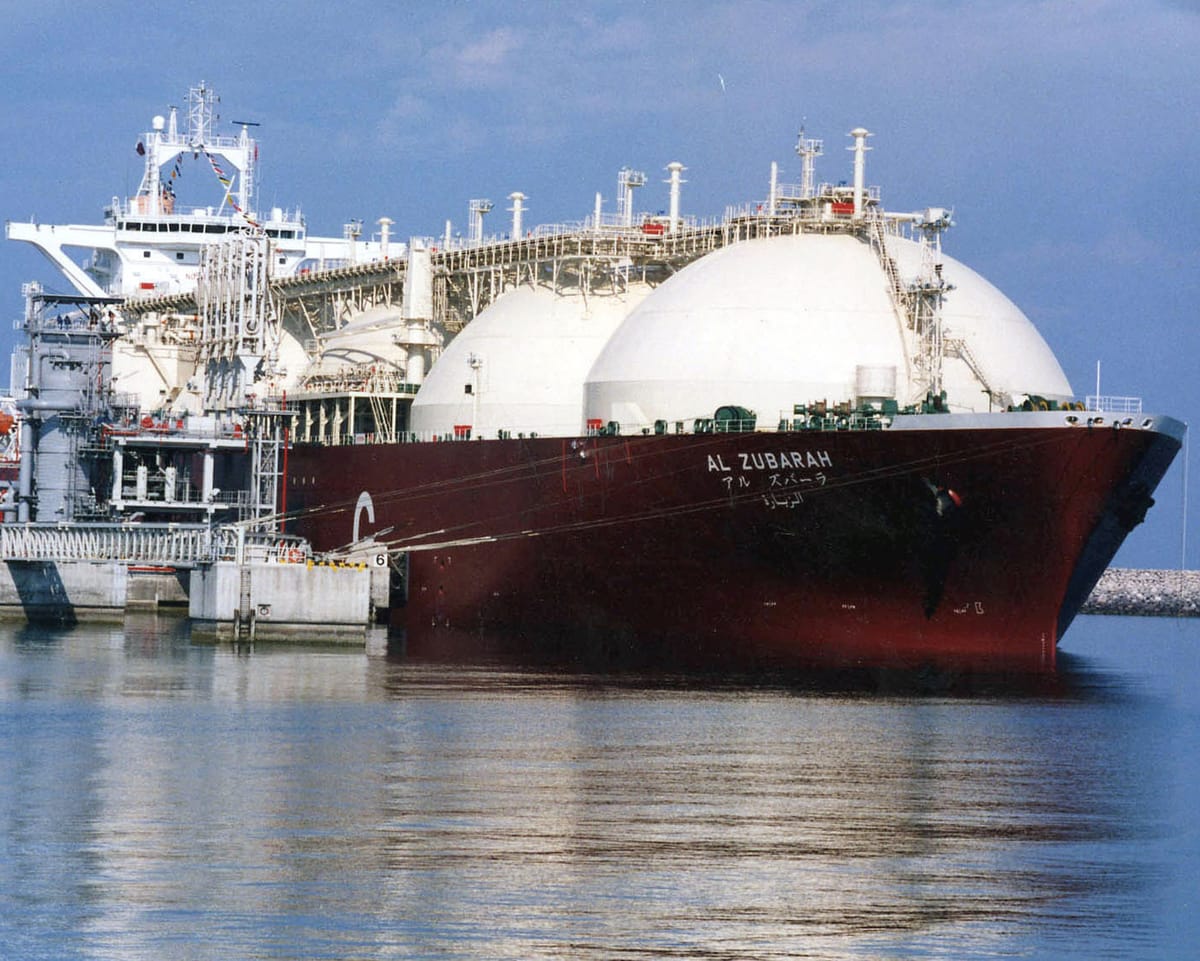
A gas shock, however, appears to be a genuine and immediate risk. European wholesale gas prices surged 50 % after QatarEnergy, the world’s leading LNG producer, halted output following Iranian drone attacks. That represents roughly 20 % of global LNG capacity disappearing at once, a shift that would reshape the market if it persisted.
The crucial point is that Qatari LNG cannot be rerouted by pipeline as Saudi oil can; it must pass the Strait of Hormuz, where shipping has essentially ceased.
A Goldman Sachs analyst warned that European gas prices could rise by 130 % if Hormuz flows were blocked for a full month—a level that triggered major demand‑side responses during the 2022 European energy crisis. Stifel’s analyst put it bluntly: “Attempting regime change in Iran risks a repeat of Europe’s 2022 energy crisis, only worse the second time.”
Europe and Asia find themselves at the centre of the LNG turmoil because they are the primary importers of the stranded fuel. In 2025, about a quarter of Europe’s gas is expected to arrive as LNG, and Britain’s share has averaged 21 % over the past five years, according to official data. At the same time, Europe’s gas stores are depleted after a cold winter, whereas the United States enjoys a comfortable position as an LNG exporter following two decades of shale‑gas expansion.
For the United Kingdom there is a modest consolation: reliance on Qatari LNG has fallen since 2022. Cornwall Insight notes that Qatar supplied roughly 6.5 % of UK LNG imports over the past year, while the United States has accounted for about 69 % since 2023.
Nevertheless, LNG remains a truly global market, and in crises cargoes are often rerouted mid‑voyage from Asia to Europe or vice‑versa to capture better prices. As in 2022, higher wholesale gas rates quickly translate into larger consumer bills.
The decisive factors will be the duration of the Qatari shutdown and the length of any effective closure of Hormuz. Even a difference of a week versus a month matters. In raw terms, UK gas cost 75 p per therm on Friday and jumped to 114 p on Monday. It would still need to climb to around 250 p and stay there for some time to reach the intensity of a full‑blown shock.
Read next

World stock markets tumble as Iran conflict drives up gas and oil prices
The conflict in the Middle East has thrown financial markets into disarray for a second consecutive day, with oil and gas prices climbing, global equity markets sliding and the odds of a UK interest‑rate cut later this month sinking.
London’s share market has plunged deep into the red,

McDonald’s CEO’s clumsy taste test draws online ridicule, with critics quipping “His aura screams kale salad.”
Business executives are increasingly appearing on camera to seem more approachable to an audience that lives on social media. When the effort succeeds, it can generate a lot of attention; when it fails, it can invite online mockery.
That is the situation facing Chris Kempczinski, the chief executive of McDonald’
Maritime insurers drop war‑risk coverage in Gulf amid Iran conflict disrupting shipping
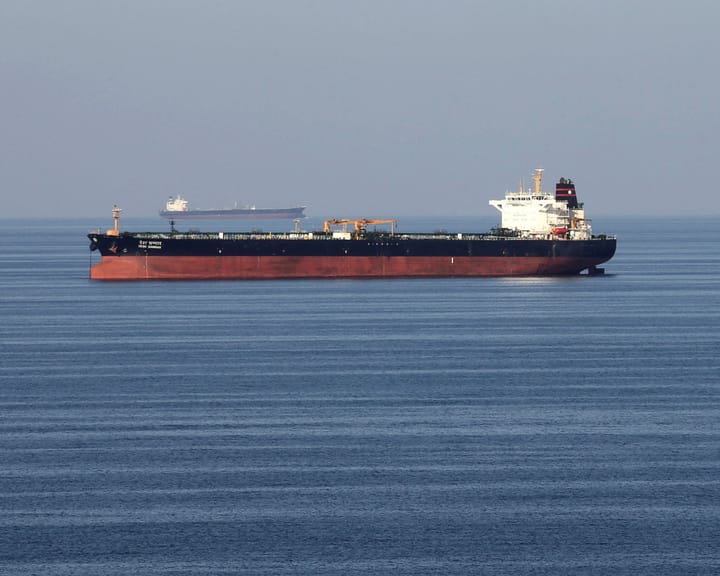
Leading maritime insurers have withdrawn war‑risk coverage for vessels sailing in the Gulf as the intensifying Iran conflict has disrupted shipping and driven up freight rates.
At least 150 ships, including oil and liquefied natural gas tankers, have anchored in the Strait of Hormuz and nearby waters.
The crucial