
Oil prices dominate the energy discussion during Middle‑East conflicts for obvious reasons: the commodity still powers the global economy, and analysts have fairly dependable models linking each $10‑per‑barrel rise to slower growth and higher inflation.
Consequently, we are far from entering “oil‑shock” territory. Monday’s climb to $79 a barrel, a 9 % jump since the end of last week, is notable—especially compared with the $62 level at the start of the year—but it pales beside the $125 spike that followed Russia’s invasion of Ukraine in 2022 and the three‑month stretch when prices stayed above $100.
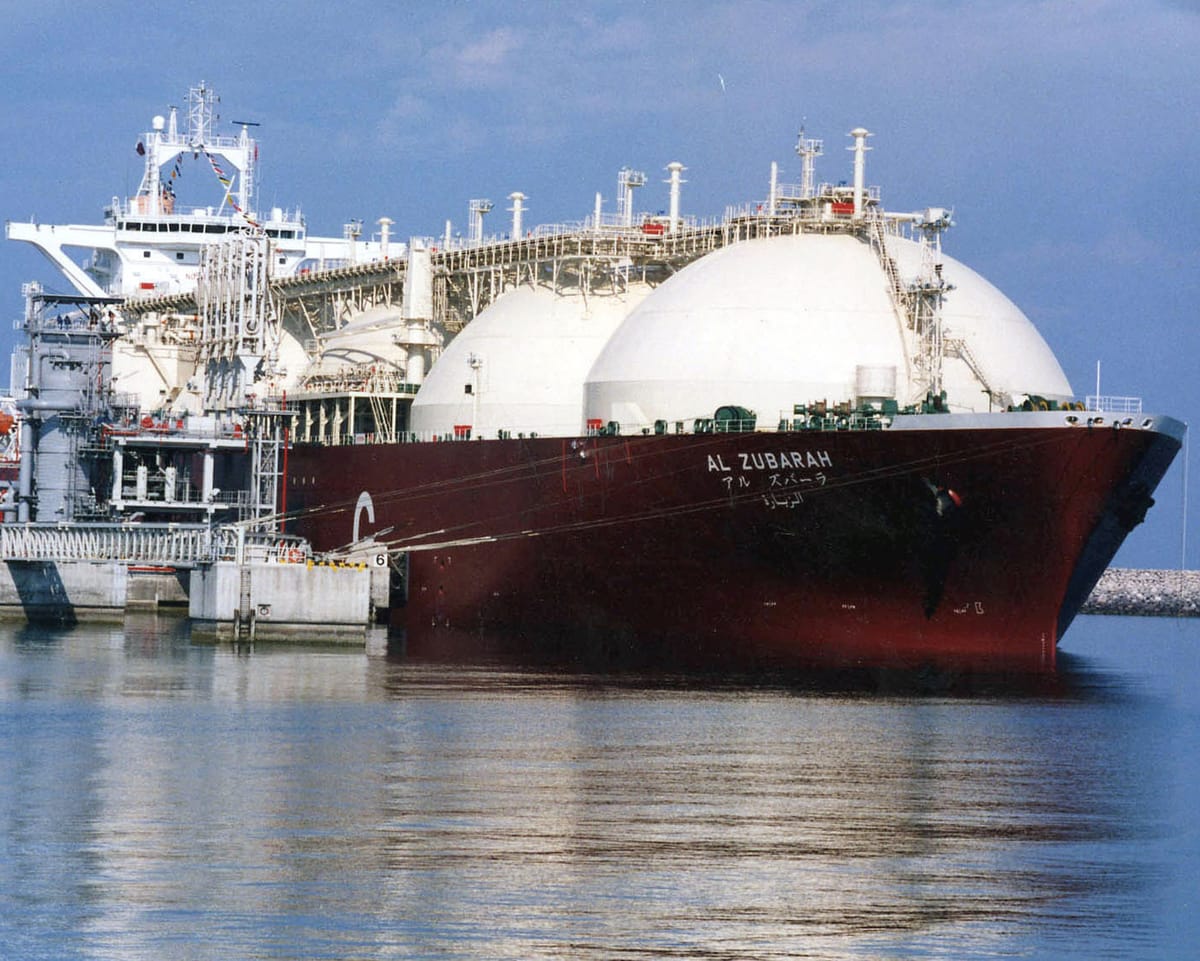
A gas shock, however, appears to be a genuine and immediate risk. European wholesale gas prices surged 50 % after QatarEnergy, the world’s leading LNG producer, halted output following Iranian drone attacks. That represents roughly 20 % of global LNG capacity disappearing at once, a shift that would reshape the market if it persisted.
The crucial point is that Qatari LNG cannot be rerouted by pipeline as Saudi oil can; it must pass the Strait of Hormuz, where shipping has essentially ceased.
A Goldman Sachs analyst warned that European gas prices could rise by 130 % if Hormuz flows were blocked for a full month—a level that triggered major demand‑side responses during the 2022 European energy crisis. Stifel’s analyst put it bluntly: “Attempting regime change in Iran risks a repeat of Europe’s 2022 energy crisis, only worse the second time.”
Europe and Asia find themselves at the centre of the LNG turmoil because they are the primary importers of the stranded fuel. In 2025, about a quarter of Europe’s gas is expected to arrive as LNG, and Britain’s share has averaged 21 % over the past five years, according to official data. At the same time, Europe’s gas stores are depleted after a cold winter, whereas the United States enjoys a comfortable position as an LNG exporter following two decades of shale‑gas expansion.
For the United Kingdom there is a modest consolation: reliance on Qatari LNG has fallen since 2022. Cornwall Insight notes that Qatar supplied roughly 6.5 % of UK LNG imports over the past year, while the United States has accounted for about 69 % since 2023.
Nevertheless, LNG remains a truly global market, and in crises cargoes are often rerouted mid‑voyage from Asia to Europe or vice‑versa to capture better prices. As in 2022, higher wholesale gas rates quickly translate into larger consumer bills.
The decisive factors will be the duration of the Qatari shutdown and the length of any effective closure of Hormuz. Even a difference of a week versus a month matters. In raw terms, UK gas cost 75 p per therm on Friday and jumped to 114 p on Monday. It would still need to climb to around 250 p and stay there for some time to reach the intensity of a full‑blown shock.
Read next
Jaguar Land Rover suppliers voice ‘everything is against us’ amid cutbacks
David Roberts, chair of Coventry-based Evtec, says the outlook for Britain’s automotive sector is grim, with “everything against us.” Evtec is a tier 1 supplier to Jaguar Land Rover, which this week announced 4,000 job cuts over two years despite chancellor John Healey’s attempt to talk
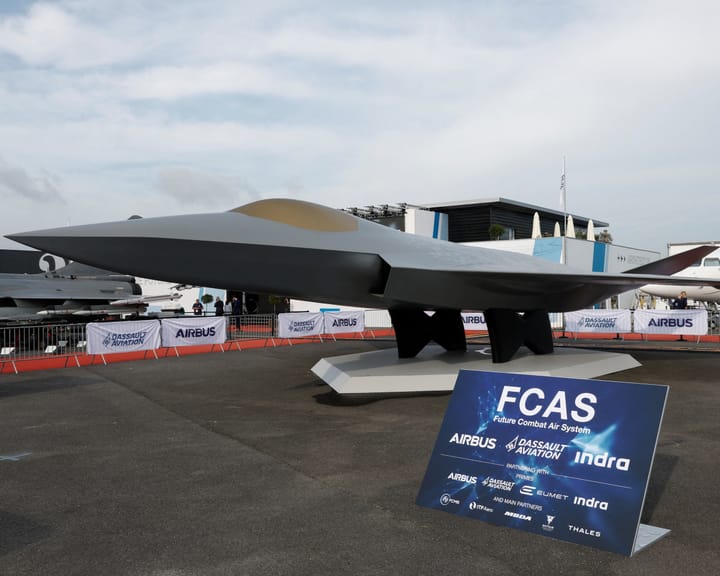
Europe’s fighter jet plans in disarray: what comes next?
When former ECB president and Italian PM Mario Draghi urged Europe to catch up economically with the US and China, defence collaboration was prescribed. No more should each nation build independent boats, tanks or jets; allies should share costs and technologies.
Europe stumbled at the first hurdle. German Chancellor Friedrich
John Healey supports growth but insists Labour must be truthful about spending
John Healey has stated that his primary goal as chancellor will be to boost economic growth, while acknowledging that Labour must be straightforward about controlling public spending at next month's budget.
In his first major address since assuming the role in July, Healey said the leading focus of