
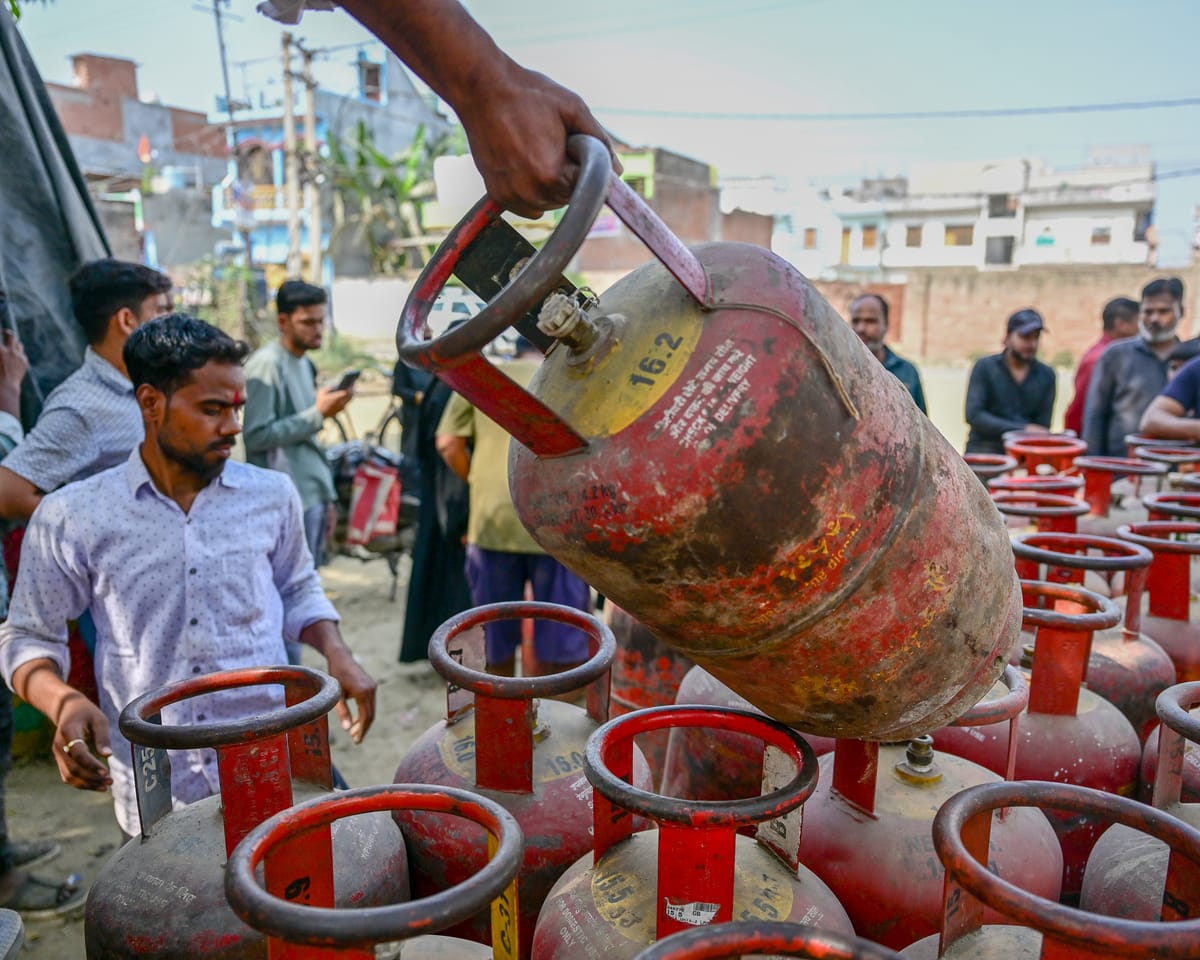
‘Struggling now to endure later’: Contracting restaurant menus across India
Sagar Daryani, head of the Restaurant Association of India, which represents roughly five hundred thousand eateries, said the industry is operating under tight constraints, with operators reducing opening hours, trimming menus and resorting to short‑term measures to stay afloat. He put the proportion of establishments under serious strain at about one‑third. “There’s a fine line between battling today and surviving tomorrow,” he remarked. Reports indicate that some venues are removing slow‑cooked items from their offerings to save gas, while others have ceased operations entirely. Advocates who have long pushed for a shift to electric cooking argue that the current crunch should act as a warning. “This episode has highlighted how vulnerable we are to cooking‑fuel shortages,” said Neha Dhingra of the India Programme at the Collaborative Labeling and Appliance Standards Program (CLASP). India’s rupee suffered its steepest decline in four years on Friday, tumbling amid concerns that rising oil and gas prices will sharply increase the nation’s import bill and dampen economic growth. The country is regarded as highly exposed to an energy shock, importing nearly 90 % of its oil and half of its gas—largely from the Gulf—while millions of Indian workers abroad remit more than $50 billion annually.
---
‘All sectors affected’: hotel cancellations in tourism‑reliant Thailand
During this season, Suwarin Nantaya’s firm would normally receive around thirty daily email enquiries from travelers seeking trekking tours through the forested highlands of northern Thailand. Since the conflict began, that figure has fallen to roughly three per day, and many reservations made earlier have been withdrawn. “People worry they won’t be able to secure a flight home,” said Suwarin of Chiang Mai Trekking. “Everything has been hit – hotels, eateries, souvenir stalls, massage parlours.” The bustling Chiang Mai walking street, which usually remains lively until nine or ten at night, is now markedly quieter, she added. Since the hostilities started, about 1,000 flights bound for Thailand have been cancelled, according to the Aeronautical Radio of Thailand. The tourism ministry projects that an eight‑week airspace shutdown—the worst‑case scenario—could shave 600,000 international arrivals and cost the economy roughly 41 billion baht (£934.4 million).
---
QR code fuel allocation in distant Sri Lanka as major players clash
At a Colombo petrol station early one morning, a long line had already formed by 5:30 a.m., comprising three‑wheeled autorickshaws, cars and motorbikes used by delivery workers. A small crowd helped push a vehicle that had completely run out of fuel toward the pumps. The island has reverted to a QR‑code system for fuel rationing that was first introduced during the 2022 economic crisis, allocating limited gasoline supplies through scanned codes. The measure reflects ongoing disputes among the country’s leading political and business factions over how to manage the scarcity.
Read next
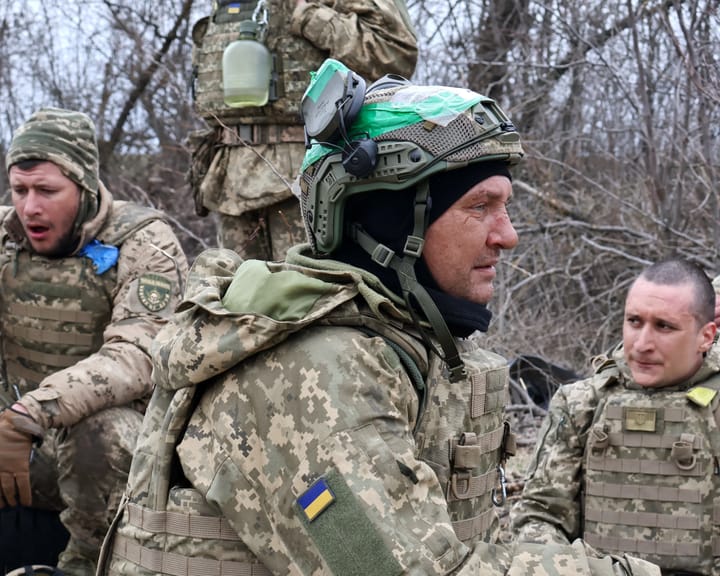
US and Ukrainian negotiators convene in Florida amid rising civilian deaths from Russian attacks
Ukrainian and American negotiators aiming to forge a peace deal to end Russia’s invasion began a new round of talks in Florida on Saturday, with additional sessions scheduled for the weekend. Russian delegates were absent from the gathering. “We kept working on the main issues and the next steps
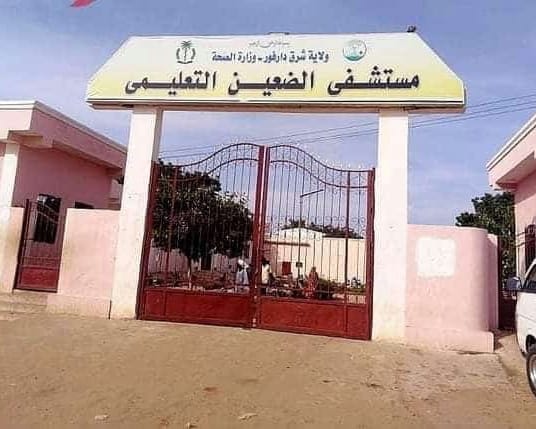
WHO says Sudan hospital strike kills at least 64, injures 89.
The World Health Organization said on Saturday that an attack on a medical centre in Sudan killed 64 individuals and injured 89 others.
Earlier, the United Nations humanitarian agency in Sudan expressed that it was “appalled by the assault on a hospital in East Darfur yesterday, reportedly killing dozens, among
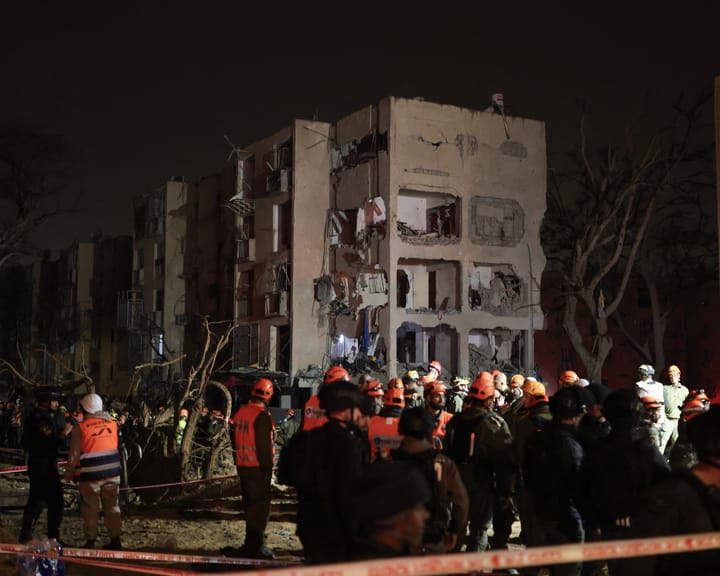
Nearly 100 injured as Iranian missiles strike southern Israel
On Saturday a salvo of Iranian ballistic missiles injured roughly one hundred people in southern Israel, striking the towns of Arad and Dimona after air‑defence units were unable to stop at least two projectiles.
Among those hurt were a 12‑year‑old boy and a five‑year‑old girl,