
Israel’s Top Court Orders Improved Nutrition for Palestinian Detainees
Israel’s Supreme Court has ruled that the government has not provided sufficient food for Palestinian detainees, ordering authorities to enhance their nutritional provisions.
Sunday’s decision marked a rare instance in which the country’s highest court ruled against the government’s actions during the nearly two-year conflict.
Since the conflict began, Israel has detained thousands of individuals from Gaza on suspicion of ties to Hamas. Many have been released without charges, often after prolonged confinement.
Reports from rights organizations have documented severe mistreatment in detention centers, including inadequate food and medical care, unsanitary conditions, and physical abuse. In March, a 17-year-old Palestinian boy died in custody, with doctors citing malnutrition as a probable cause.
The ruling responded to a petition filed last year by the Association for Civil Rights in Israel (ACRI) and Gisha, an Israeli rights group. They argued that changes to the food policy enacted after the war began had led to malnutrition and starvation among detainees.
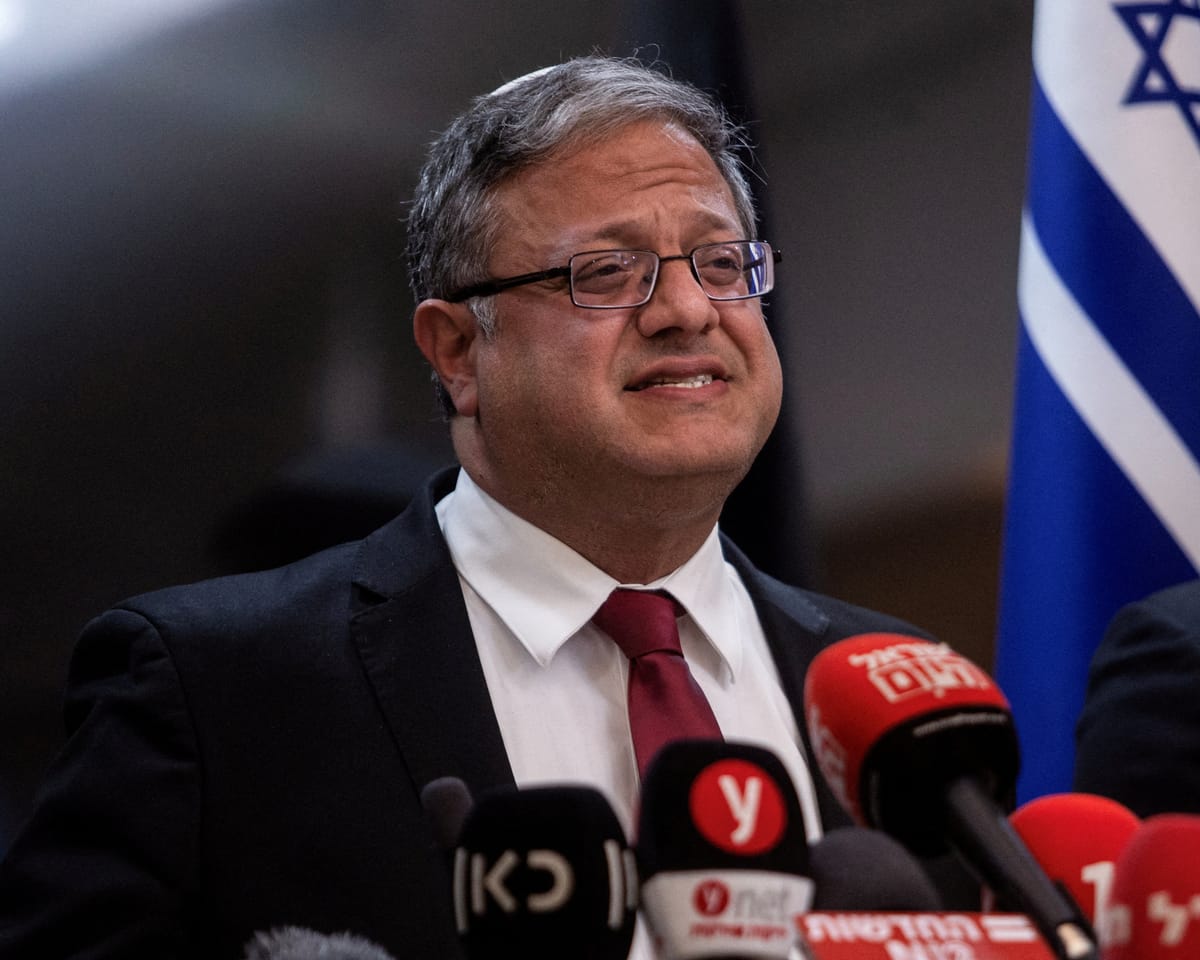
Last year, National Security Minister Itamar Ben-Gvir, who oversees the prison system, publicly stated that he had reduced conditions for detainees to what he called the legal minimum.
The court’s three-judge panel unanimously ruled that the state must ensure detainees receive enough food to sustain basic living standards. In a 2-1 decision, the justices noted “signs that the current food provisions fail to meet legal requirements” and raised “serious concerns” about proper nourishment. They ordered prison authorities to take action to provide adequate meals in compliance with the law.
Ben-Gvir, leader of a far-right nationalist party, condemned the ruling, claiming that while Israeli hostages in Gaza receive no assistance, the Supreme Court is “shamefully” protecting Hamas militants. He vowed to maintain the policy of providing detainees with only the legally mandated minimum.
ACRI urged immediate implementation of the ruling, stating in a social media post that the prison system had turned facilities into “sites of suffering.”
“No state should let people starve,” it said. “No one should be deprived of basic sustenance—regardless of their actions.”
Read next
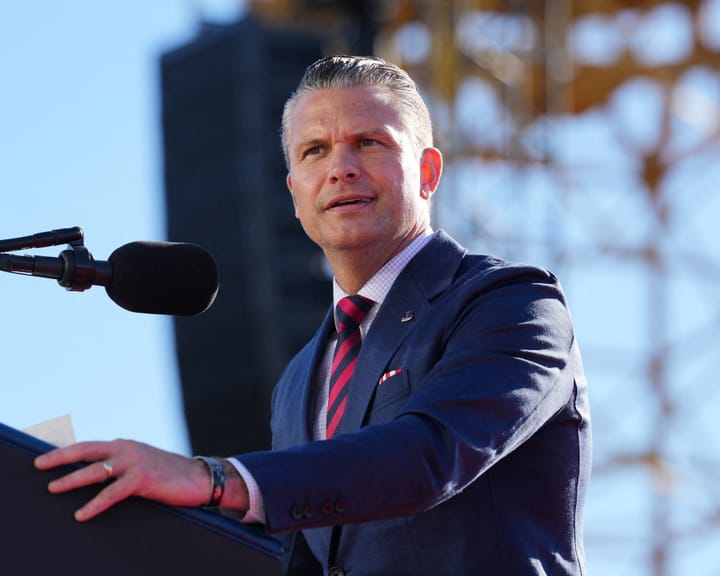
Pete Hegseth's proposal to stream executions aligns US with controversial nations.
If the US defense secretary, Pete Hegseth, proceeds with plans to livestream the execution of a soldier radicalized to extremist Islam, who killed 13 people at a military base in Texas, the US would join a group of lesser powers and rogue actors known for public executions in recent years.

Criminals steal €5m from renowned Italian winery
In a significant theft in Tuscany, thousands of wine bottles valued at €5 million have been stolen from the renowned Marchesi Antinori winery, marking what is considered the largest heist of its kind in Italy. A group of at least seven masked individuals breached the winery's cellar in

Illuminated Theater in Havana – A Photographic Journey
Widespread blackouts have become more frequent in Cuba since the US imposed energy sanctions in January. These outages often last longer than 24 hours as the aging electrical grid struggles to cope. The Impulso theatre group has been forced to adapt, as the power cuts present significant challenges for the