
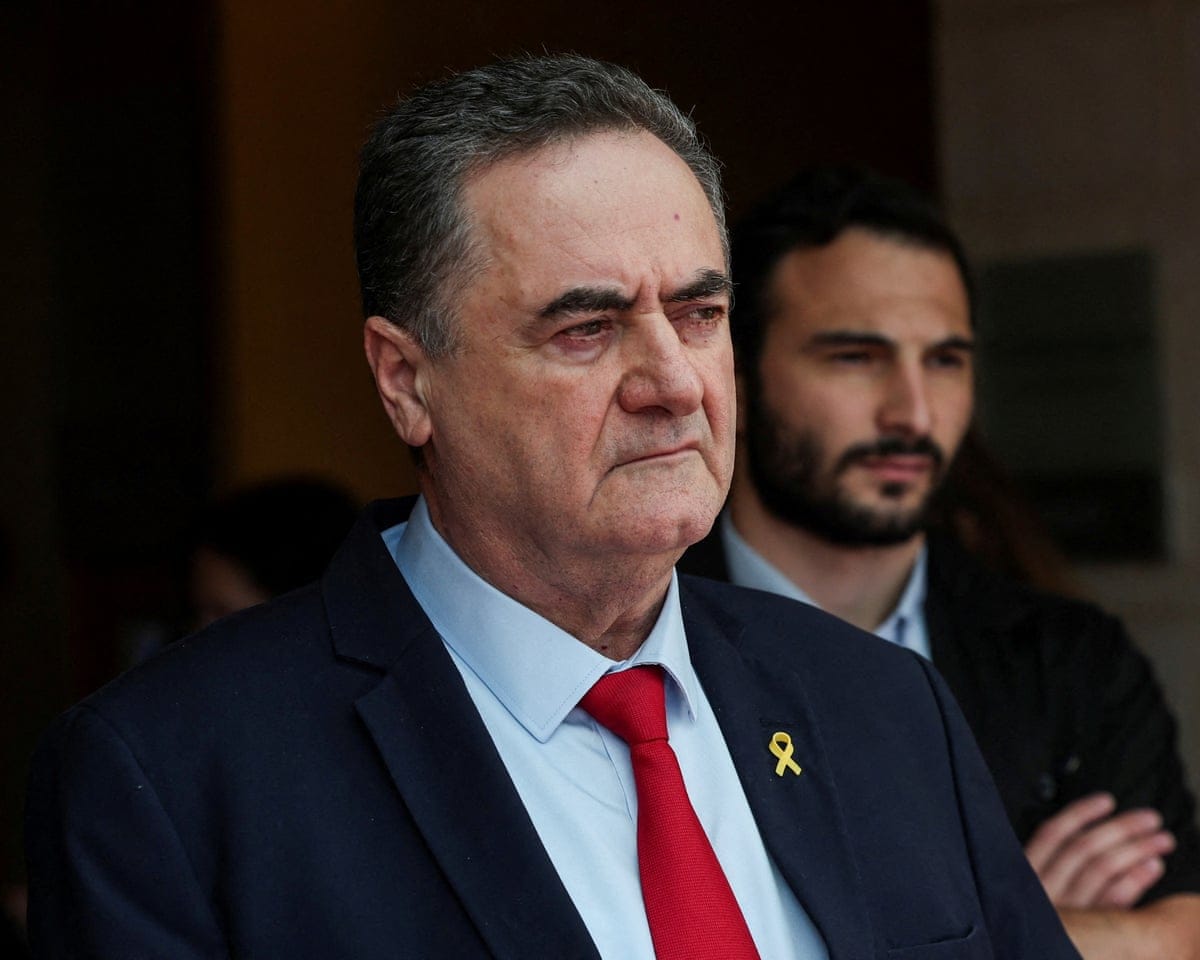
Israeli defense official Israel Katz’s proposal to establish a holding facility in the destroyed areas of Rafah represents a move beyond rhetoric concerning violations of international law—common in Israel’s political discussions—to concrete preparations for large-scale forced displacement.
Since Hamas’s attack on October 7, Israeli officials, including government ministers, have repeatedly advocated for the removal of Gaza’s population, supporting the forceful transfer of Palestinians abroad and the establishment of new settlements in the area.
Katz, however, became the first high-level official to outline specific steps for the mass displacement of Palestinians from most of Gaza during a briefing with Israeli media on Monday. He stated that he had directed the planning of a so-called "humanitarian zone" to detain Palestinians who would not be permitted to leave.
Some individuals would be moved to other countries, Katz added. While Israeli authorities frame this as a "voluntary" process, legal experts argue that the dire conditions in Gaza make any forced movement—whether within the territory or beyond—legally involuntary.
Prominent Israeli human rights attorney Michael Sfard remarked, "This isn’t just rhetoric or a wish. Katz has instructed the military to prepare. It carries greater weight because he holds the authority to make it happen."
According to Haaretz, Katz has the support of Prime Minister Benjamin Netanyahu, who is currently meeting with Donald Trump in Washington.
However, analysts suggest that political support does not guarantee the feasibility of Katz’s proposed "humanitarian zone" or the forced relocation of hundreds of thousands of Palestinians, even through measures like restricting access to food.
Alon Pinkas, a former senior Israeli diplomat and analyst, stated, "The proposal is inherently unworkable, not to mention morally indefensible, as it involves trapping a million desperate people in what would effectively be a detention facility."
"Katz has a history of making extreme, baseless, and inflammatory statements—whether on Gaza, Iran, or other matters—that quickly lose credibility," Pinkas added.
Still, Pinkas noted that dismissing the Rafah camp plan as mere political theater would be unwise, given reports of logistical preparations for large-scale forced transfers.
"There’s been a feasibility assessment conducted, which suggests this is being considered seriously," he said. Last week, the Financial Times reported that two advisors from Boston Consulting Group (BCG) had calculated potential costs for moving Palestinians from Gaza. BCG has since distanced itself from the report, stating the analysis was unauthorized.
Earlier discussions about constructing facilities labeled as "humanitarian transit zones," intended to house Palestinians inside or outside Gaza, had been presented to the Trump administration and reviewed in the White House, Reuters reported Monday.
Read next

Bolivia Probes Ex-President Evo Morales for Suspected Involvement in 2009 Killings
The Bolivian attorney general has initiated an investigation into former leftist president Evo Morales, citing allegations of his involvement in the murder and torture of European nationals in 2009.
In 2009, police conducted a raid on a Santa Cruz hotel, resulting in the deaths of Eduardo Rózsa Flores, a Bolivian-
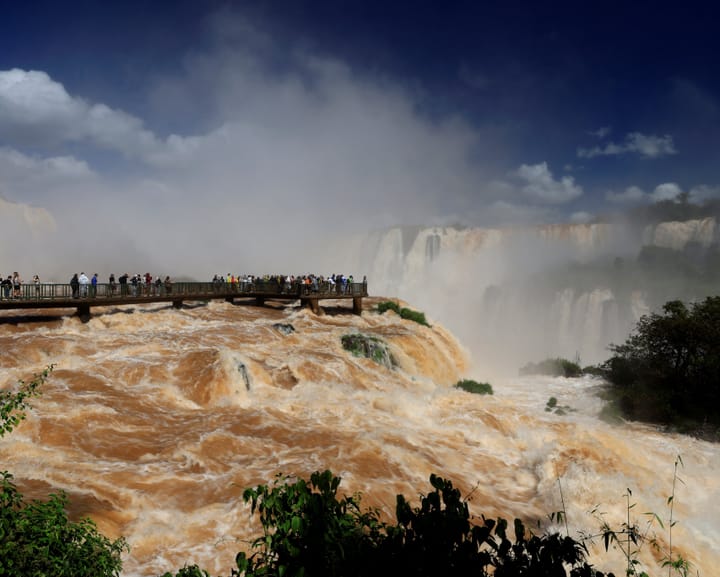
Argentina Closes Iguazu Falls Temporarily Due to El Niño-Induced Water Surge
Heavy rainfall driven by a potent El Niño weather pattern temporarily led Argentinian authorities to close tourist access to the renowned Iguazu Falls. The closure occurred due to concerns that rising water levels might cause the river to overflow its banks.
On Monday, national park officials implemented this precautionary measure
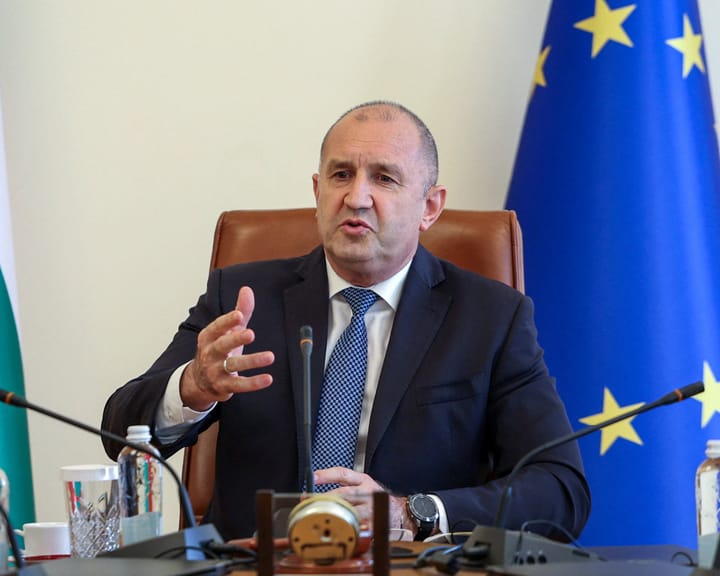
Mysterious Drones Strike Two Vessels Near Bulgarian Coast – Europe Live
Morning Update: Two Ships Targeted by Drones Off Bulgarian Coast
This morning, two ships in the Black Sea near Bulgaria were struck by drones of unknown origin. The attack led to the sinking of one vessel and initiated emergency rescue operations, as reported by Bulgarian Prime Minister Rumen Radev. Rescue