

The Reality of Hunger in Gaza: A Calculated Crisis
The situation in Gaza is clear: Palestinians are trapped, farming has been halted due to conflict, and Israel has restricted fishing, meaning nearly all food must come from outside.
Israel has long determined the minimal food requirements for Gaza, historically adjusting supplies to apply pressure without causing outright famine. In 2006, an adviser to then-Prime Minister Ehud Olmert summarized the policy: “The goal is to restrict Palestinians’ food intake but not let them starve.” Legal action later forced the release of documents detailing these grim calculations.
Cogat, the Israeli body overseeing aid to Gaza, once determined that Palestinians required at least 2,279 calories per person daily—about 1.836kg of food. Now, aid groups estimate that just 62,000 metric tons of dry and canned food per month, roughly 1kg per person daily, would meet basic needs for Gaza’s 2.1 million residents.
Despite warnings of famine, Israeli officials have dismissed claims of widespread hunger, alleging without proof that Hamas diverts aid supplies. They also point to distribution challenges and pictures of unused aid stocks near the border.
Recent figures from Israeli sources, however, reveal a stark reality. Between March and June, only 56,000 tons of food entered Gaza—far below what was required. Even under ideal distribution conditions, shortages would have persisted.
This week, UN-backed experts confirmed a catastrophic food crisis. The Integrated Food Security Phase Classification (IPC) cited Israeli data showing that supplies were “severely insufficient” due to “extreme import restrictions.”
An independent review body, the Famine Review Committee, found food deliveries “grossly inadequate” and criticized distribution efforts. They concluded that existing aid plans would fail to prevent mass starvation, even without the reported disruptions.
For weeks in March and April, Gaza received no food at all. Only after international outcry over a potential “starvation crisis” did shipments resume briefly during a ceasefire. The result is a disaster unfolding in real time.
Read next

"Softball booms in Brazilian city as Cuban migrants surpass Venezuelans for the first time"
Roberto Hernández Tello, 59, originally from Camagüey, Cuba, had hoped to reach the United States for a better future. But due to stricter immigration policies under the previous U.S. administration, he found himself in Curitiba, southern Brazil, thousands of miles from home.
Like him, many Cubans have recently arrived
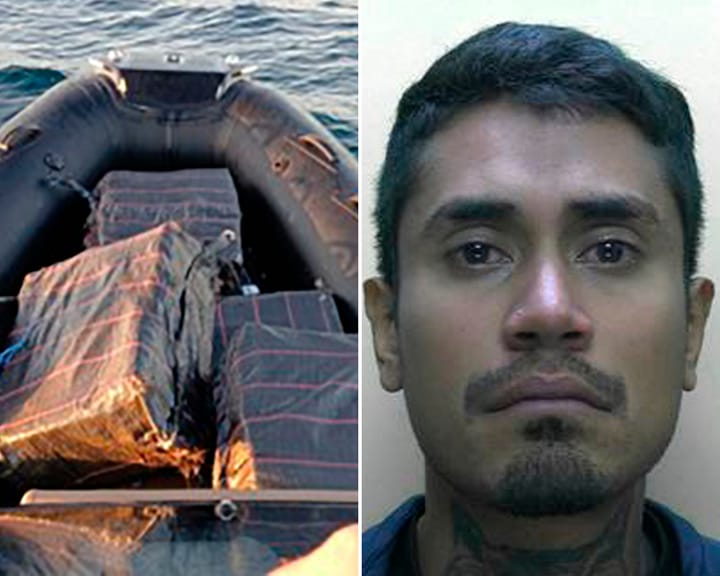
"Public asked to aid in catching drug gangs using 'mother ships' near UK shores"
Police Ask Coastal Residents to Aid in Combating Drug Smuggling
Authorities have called on residents of coastal areas in the UK to assist in disrupting criminal groups that are employing increasingly creative tactics to bring large amounts of cocaine into the country.
Officials have noted a rise in “at-sea drop-offs”

"Germany's historic largest gay nightclub files for bankruptcy"
Germany’s longest-running and largest LGBTQ+ dance venue has filed for bankruptcy after operating for nearly 50 years, succumbing to financial pressures and shifting trends in Berlin’s nightlife.
Internal challenges and the rise of dating apps contributed to SchwuZ’s difficulties over the past year. In May, the venue