
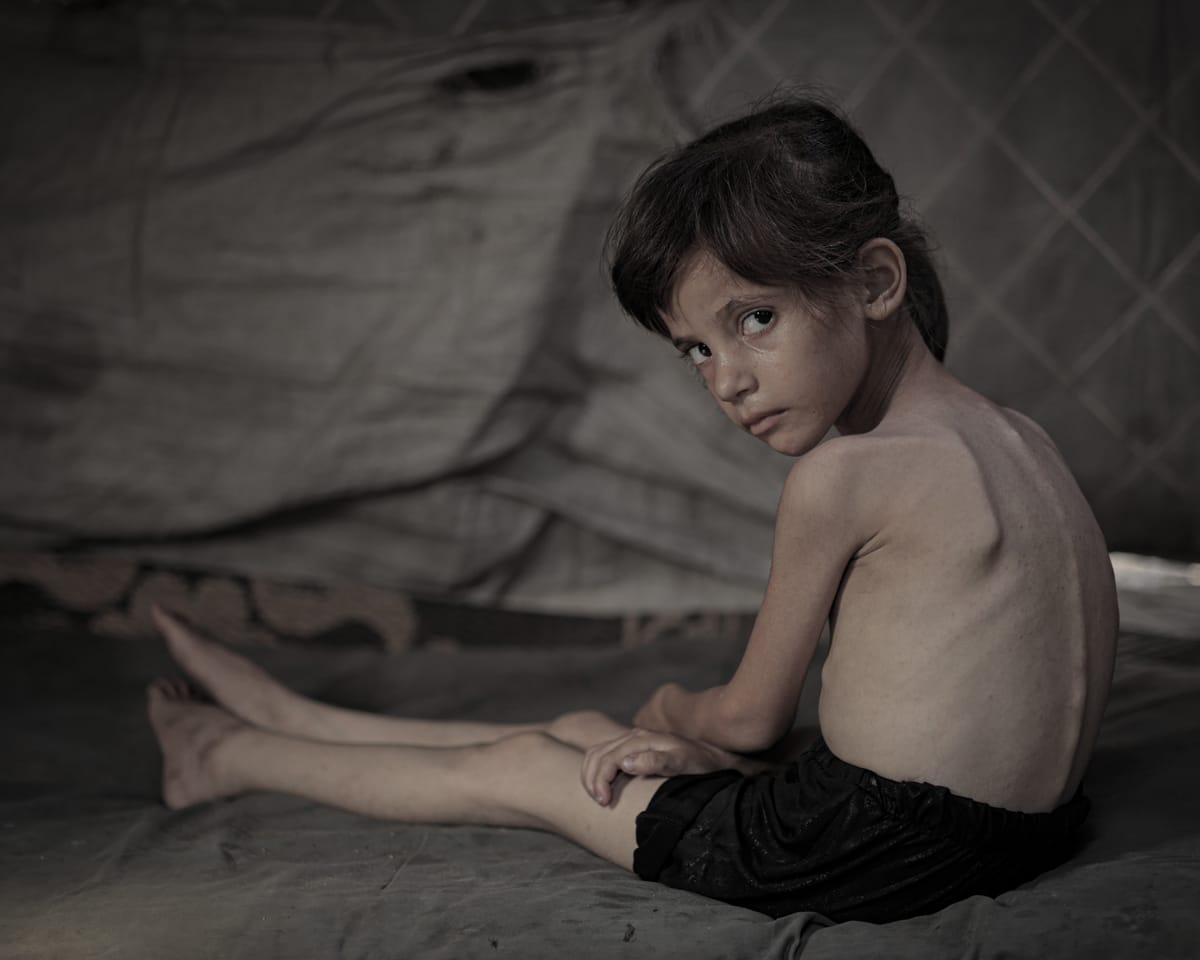
The Reality of Hunger in Gaza: A Calculated Crisis
The situation in Gaza is clear: Palestinians are trapped, farming has been halted due to conflict, and Israel has restricted fishing, meaning nearly all food must come from outside.
Israel has long determined the minimal food requirements for Gaza, historically adjusting supplies to apply pressure without causing outright famine. In 2006, an adviser to then-Prime Minister Ehud Olmert summarized the policy: “The goal is to restrict Palestinians’ food intake but not let them starve.” Legal action later forced the release of documents detailing these grim calculations.
Cogat, the Israeli body overseeing aid to Gaza, once determined that Palestinians required at least 2,279 calories per person daily—about 1.836kg of food. Now, aid groups estimate that just 62,000 metric tons of dry and canned food per month, roughly 1kg per person daily, would meet basic needs for Gaza’s 2.1 million residents.
Despite warnings of famine, Israeli officials have dismissed claims of widespread hunger, alleging without proof that Hamas diverts aid supplies. They also point to distribution challenges and pictures of unused aid stocks near the border.
Recent figures from Israeli sources, however, reveal a stark reality. Between March and June, only 56,000 tons of food entered Gaza—far below what was required. Even under ideal distribution conditions, shortages would have persisted.
This week, UN-backed experts confirmed a catastrophic food crisis. The Integrated Food Security Phase Classification (IPC) cited Israeli data showing that supplies were “severely insufficient” due to “extreme import restrictions.”
An independent review body, the Famine Review Committee, found food deliveries “grossly inadequate” and criticized distribution efforts. They concluded that existing aid plans would fail to prevent mass starvation, even without the reported disruptions.
For weeks in March and April, Gaza received no food at all. Only after international outcry over a potential “starvation crisis” did shipments resume briefly during a ceasefire. The result is a disaster unfolding in real time.
Read next

Pete Hegseth's proposal to stream executions aligns US with controversial nations.
If the US defense secretary, Pete Hegseth, proceeds with plans to livestream the execution of a soldier radicalized to extremist Islam, who killed 13 people at a military base in Texas, the US would join a group of lesser powers and rogue actors known for public executions in recent years.

Criminals steal €5m from renowned Italian winery
In a significant theft in Tuscany, thousands of wine bottles valued at €5 million have been stolen from the renowned Marchesi Antinori winery, marking what is considered the largest heist of its kind in Italy. A group of at least seven masked individuals breached the winery's cellar in

Illuminated Theater in Havana – A Photographic Journey
Widespread blackouts have become more frequent in Cuba since the US imposed energy sanctions in January. These outages often last longer than 24 hours as the aging electrical grid struggles to cope. The Impulso theatre group has been forced to adapt, as the power cuts present significant challenges for the