
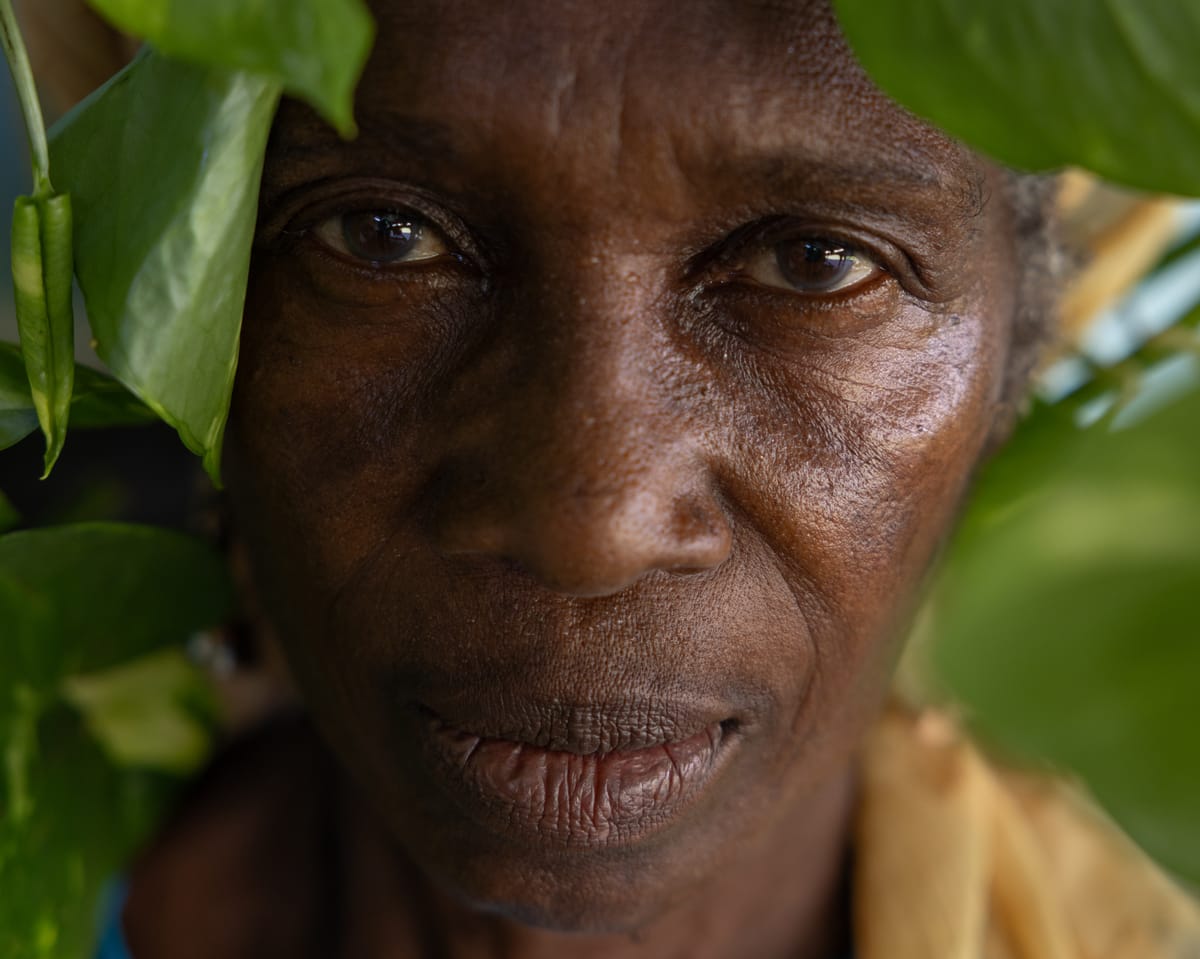
The wooden walls of the village hall in Charles Town, Jamaica, are lined with shadowy figures—a homage to the enduring resistance of the Maroons, descendants of Africans who freed themselves from enslavement and established independent settlements in Jamaica’s rugged highlands.
Nestled among the island’s verdant hills, the peaceful village is quiet, the silence broken only by the distant calls of roosters. Gloria Simms, a respected Maroon elder known affectionately as Mama G, walks toward the hall, exchanging greetings with neighbors along the way. Her hair is wrapped in cloth, and her bright dress sways in the breeze.
Simms, who holds the honored title of Gaa’mang from Suriname, carries herself with quiet dignity as she takes a seat among the benches to recount the history of her people.
It is a story that begins on plantations, where men and women from West Africa, torn from their homes, were bound in chains. Many were inspected in markets, assessed for their labor value. Some bore the scars of branding irons. Faced with unimaginable suffering, they resolved that death in pursuit of freedom was preferable to life in bondage.
Today, five major Maroon communities endure in Jamaica: the Accompong, Charles Town, Moore Town, Scott’s Hall, and Flagstaff Maroons. Each has preserved ancestral traditions, from governance and medicine to music and sacred ceremonies. Similar communities exist elsewhere, including Suriname, Brazil, and Colombia.
Maroon leadership remains highly effective in resolving disputes, reportedly resulting in lower crime rates within their territories. Many also maintain exemption from land taxes, citing historic treaties with British authorities in the 1730s.
Simms is among those working tirelessly to uphold Maroon heritage and seek justice for past injustices.
She dismisses Jamaica’s 1838 abolition of slavery as hollow, arguing it favored the oppressors while condemning formerly enslaved people to generations of economic hardship. True freedom, she insists, requires restitution—the restoration of what was taken from Africa and its descendants.
“When Europeans arrived in Africa, they encountered our flourishing civilizations. We walked on gold... Our crowns were crafted from our own riches. They plundered our wealth to build their empires and dismantled ours,” she says.
Europeans, she explains, sought not just labor but domination. “They called us ‘ugly’ and ‘backward’ because of our features—dark skin, broad noses, full lips. Their goal was degradation…”
Read next

Pete Hegseth's proposal to stream executions aligns US with controversial nations.
If the US defense secretary, Pete Hegseth, proceeds with plans to livestream the execution of a soldier radicalized to extremist Islam, who killed 13 people at a military base in Texas, the US would join a group of lesser powers and rogue actors known for public executions in recent years.
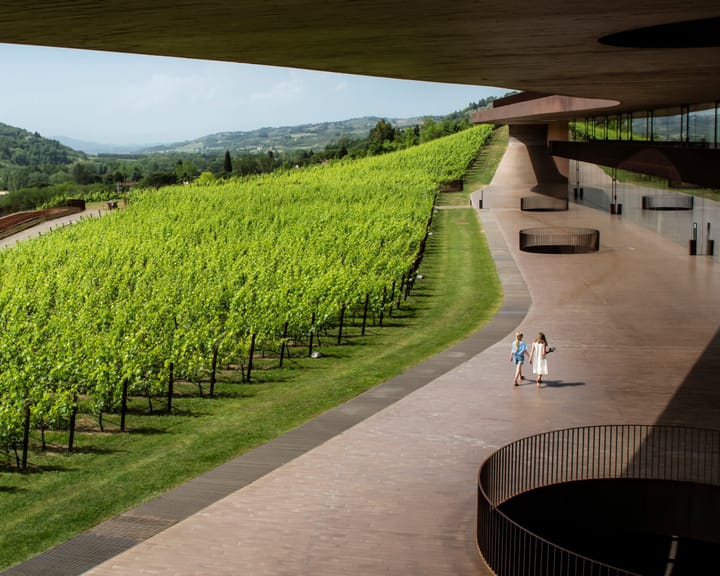
Criminals steal €5m from renowned Italian winery
In a significant theft in Tuscany, thousands of wine bottles valued at €5 million have been stolen from the renowned Marchesi Antinori winery, marking what is considered the largest heist of its kind in Italy. A group of at least seven masked individuals breached the winery's cellar in
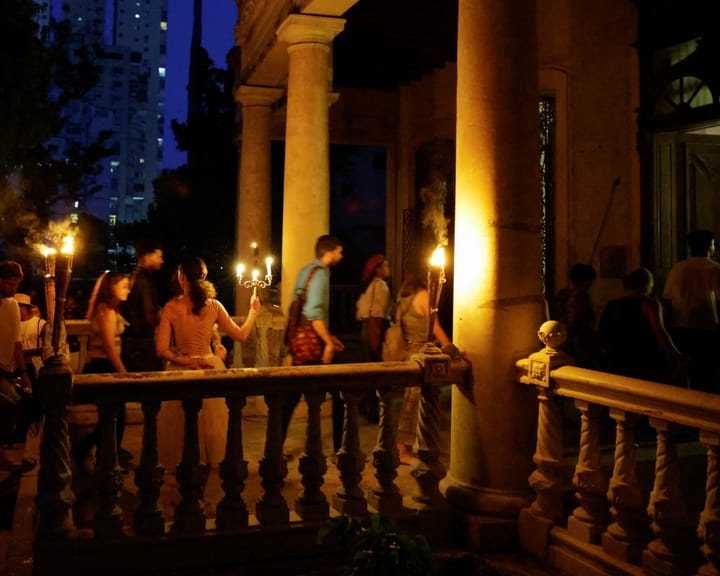
Illuminated Theater in Havana – A Photographic Journey
Widespread blackouts have become more frequent in Cuba since the US imposed energy sanctions in January. These outages often last longer than 24 hours as the aging electrical grid struggles to cope. The Impulso theatre group has been forced to adapt, as the power cuts present significant challenges for the