
Japan and US at Odds Over Trade as Negotiations Stall
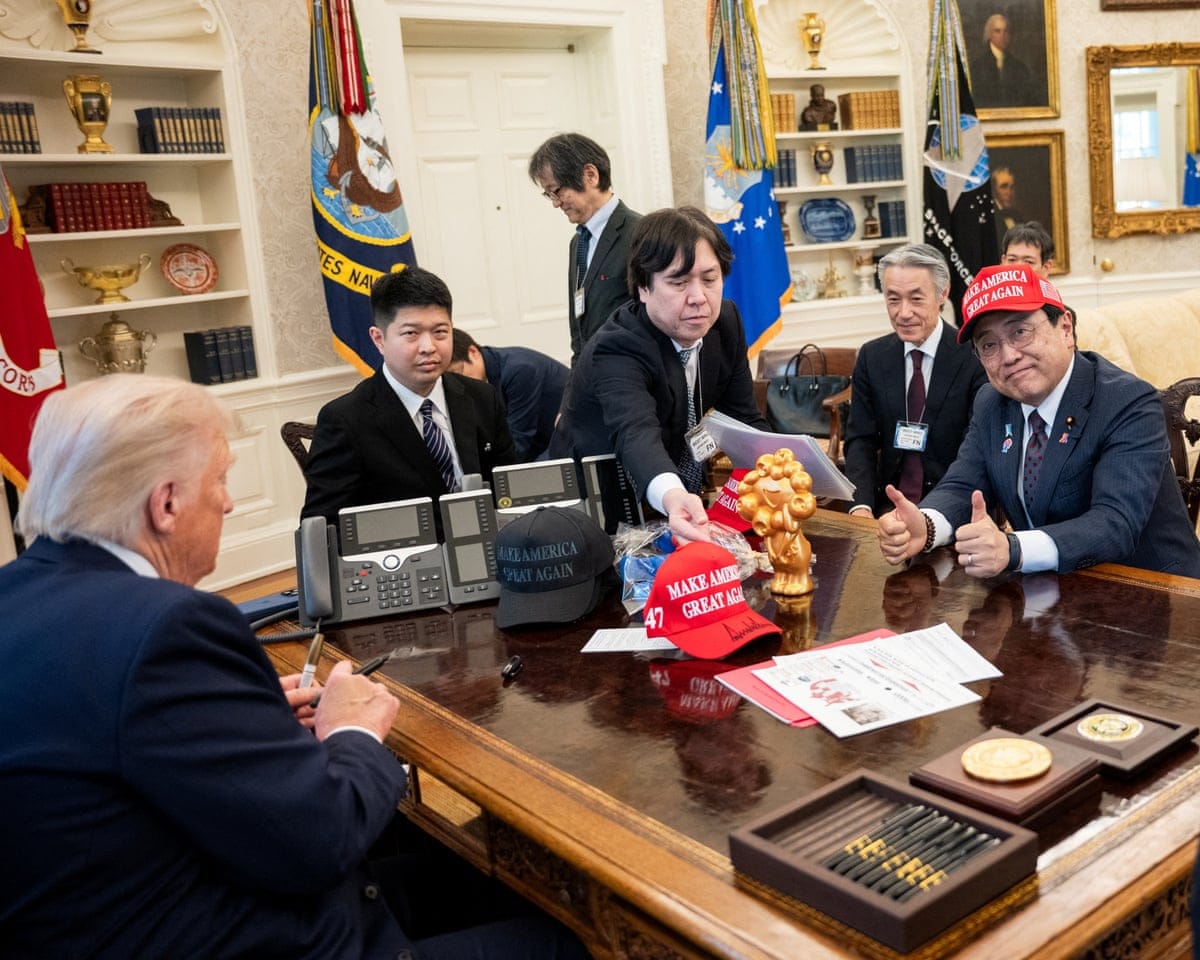
What initially appeared to be progress has now turned into a standoff. In April, Japan’s chief trade negotiator, Ryosei Akazawa, met with Donald Trump in the Oval Office following what were described as productive discussions. Akazawa wore a red cap supporting Trump’s campaign and flashed a thumbs-up for photographers.
The gesture drew criticism in Japan, prompting the minister for economic revitalization to clarify that it held “no political significance.” However, the significance of the meeting itself outweighed the backlash over the optics.
Akazawa’s delegation had gone to Washington to negotiate tariffs, with Japanese officials hopeful their country would avoid the harshest of Trump’s protectionist measures.
Trump later wrote on social media that the talks were a “Great Honor” and claimed “Big Progress!”
But after eleven weeks and seven rounds of discussions, the two sides have reached a deadlock. Trump has directed sharp criticism at Japan—unusual for a key Asia-Pacific ally—comparing his stance toward Tokyo with past grievances against China and the EU.
“They won’t take our RICE, and yet they have a massive rice shortage,” he wrote, accusing Japan of being “spoiled.”
The dispute has begun affecting other aspects of the bilateral relationship. Disagreements persist over the expenses tied to US military presence in Japan and recent strikes by US and Israeli forces on Iran.
Adding to Japan’s frustration, the US recently agreed to reduce tariffs on Vietnamese imports from 46% to 20% while talks with Tokyo remain unresolved.
With Trump’s 90-day delay on imposing new tariffs nearing its end, Japan has little time left to secure a deal.
A key issue is Akazawa’s ability to persuade US officials to remove or lower the 25% levy on Japanese cars imposed in April. Additionally, tariffs on other Japanese goods may rise from 10% to 24%.
However, signals from Washington suggest Trump is reluctant to offer concessions ahead of his next tariff deadline, despite Japanese officials repeatedly highlighting their country’s economic contributions to the US.
Prime Minister Shigeru Ishiba emphasized this week that Japan is the largest foreign investor in the US and a major driver of American job growth. “Our hope is that this will be taken into consideration,” he said.
Days earlier, Trump had made remarks that sparked concern and irritation in Japan.
Speaking to reporters on Air Force One, he suggested raising tariffs on Japanese imports to 30% or 35%, criticizing the country’s consumers for not buying enough American-made cars and rice.
“I’m not sure we’re going to make a deal. I doubt it,” Trump said, calling Japan “very tough” in negotiations.
Read next
Bolivia Probes Ex-President Evo Morales for Suspected Involvement in 2009 Killings
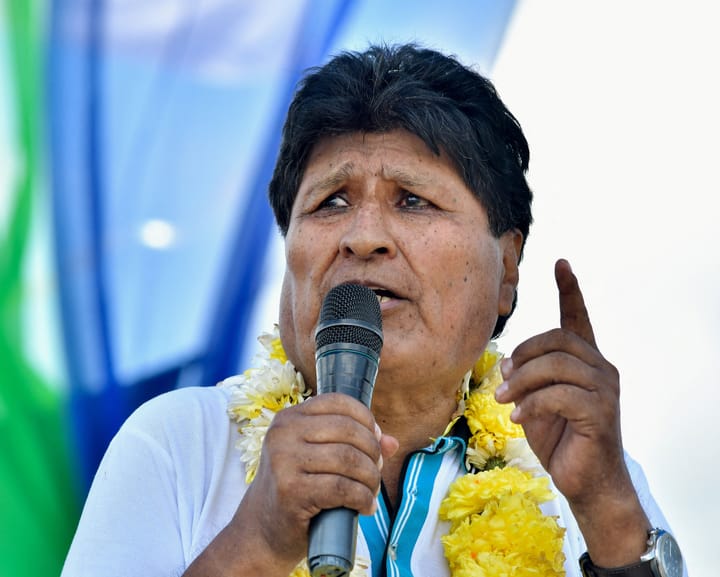
The Bolivian attorney general has initiated an investigation into former leftist president Evo Morales, citing allegations of his involvement in the murder and torture of European nationals in 2009.
In 2009, police conducted a raid on a Santa Cruz hotel, resulting in the deaths of Eduardo Rózsa Flores, a Bolivian-
Argentina Closes Iguazu Falls Temporarily Due to El Niño-Induced Water Surge
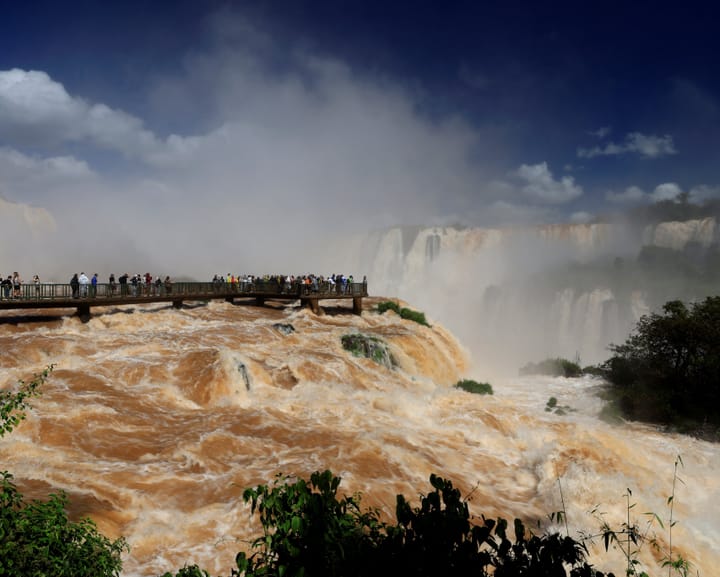
Heavy rainfall driven by a potent El Niño weather pattern temporarily led Argentinian authorities to close tourist access to the renowned Iguazu Falls. The closure occurred due to concerns that rising water levels might cause the river to overflow its banks.
On Monday, national park officials implemented this precautionary measure
Mysterious Drones Strike Two Vessels Near Bulgarian Coast – Europe Live
Morning Update: Two Ships Targeted by Drones Off Bulgarian Coast
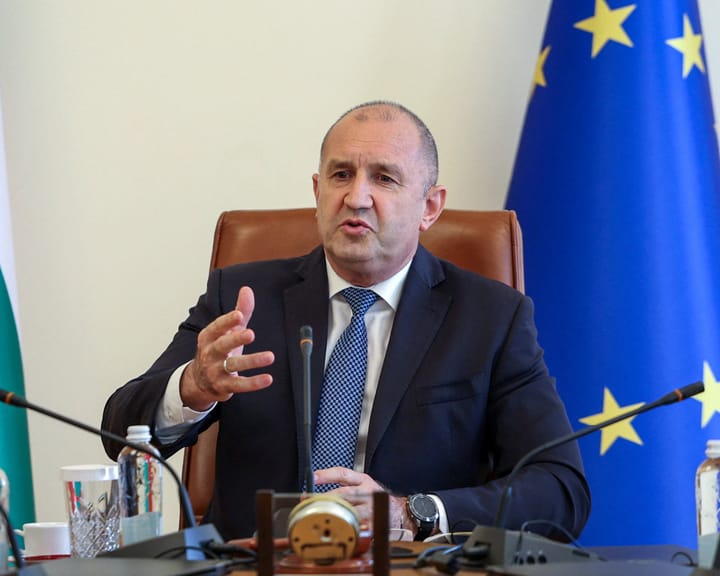
This morning, two ships in the Black Sea near Bulgaria were struck by drones of unknown origin. The attack led to the sinking of one vessel and initiated emergency rescue operations, as reported by Bulgarian Prime Minister Rumen Radev. Rescue