
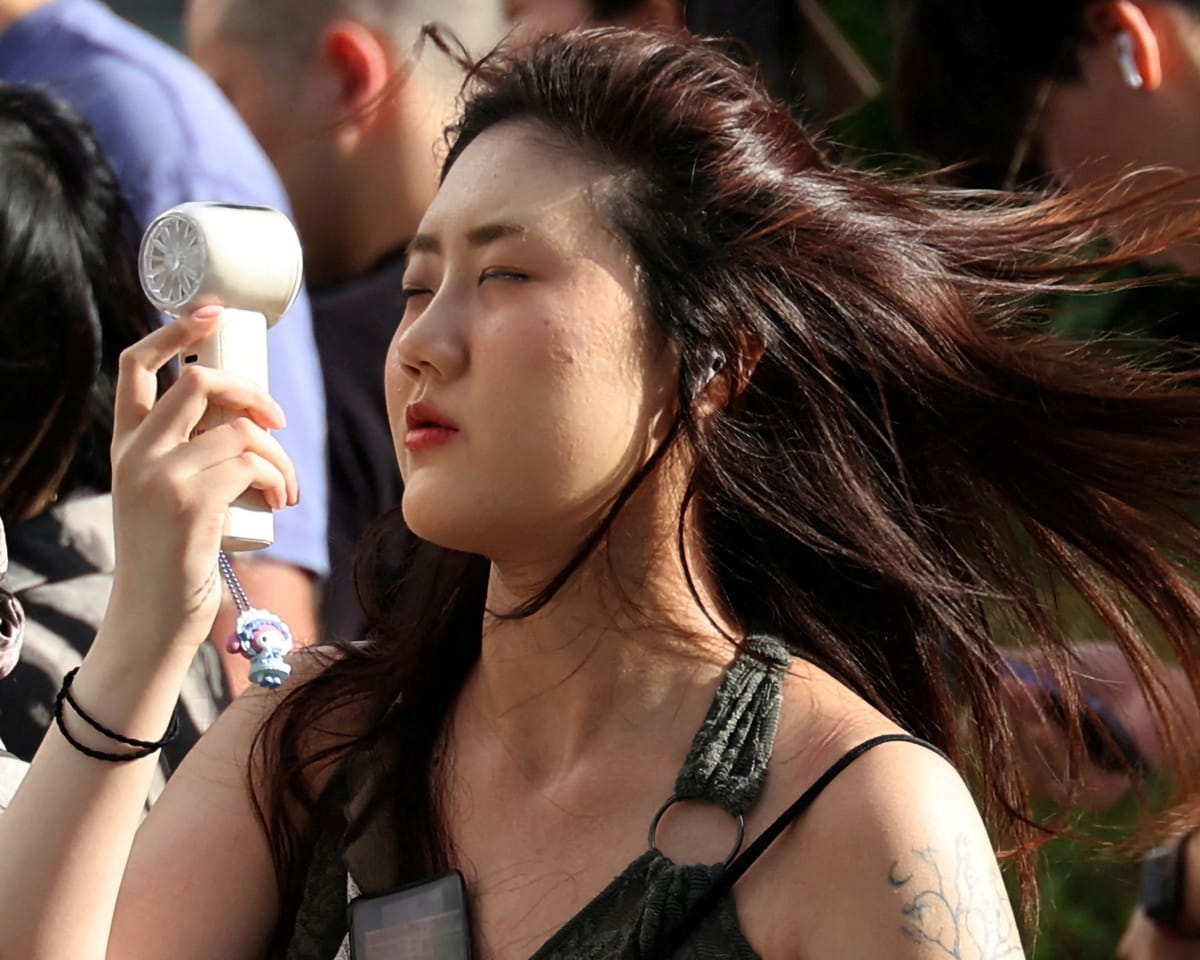
Heatwave Sweeps Japan and South Korea as Hospitals Face Strain
Officials in Japan and South Korea have issued warnings for people to stay alert against heat-related illnesses as the region experiences unprecedented high temperatures and increased pressure on healthcare systems.
On Thursday, South Korea’s weather agency reported that the country had seen a record stretch of 22 straight days of “tropical nights” this month.
A day earlier, Japan recorded its hottest day in history, with temperatures hitting 41.2°C in some areas. Hospitals nationwide have been overwhelmed by patients suffering from heat-related ailments.
In Seoul, nighttime temperatures remained above 25°C for 22 consecutive days in July, marking the longest such stretch since modern weather records began in 1907, according to meteorological authorities.
The South Korean capital was also set to witness its hottest July night on record Wednesday, with the lowest temperature dropping only to 29.3°C. Forecasters indicated the record may be broken again on Thursday.
Experts say the extreme heat in Seoul is likely to persist. “The North Pacific High brought warm air to South Korea earlier than usual,” said Youn Ki-han, a senior meteorologist in Seoul.
“Normally, a single hot day leads to a sharp rise in temperatures before they quickly fall. But when high temperatures last for days, the heat doesn’t fully fade—it accumulates, making each day warmer than the last,” Youn explained.
In Japan, weather officials reported a high of 41.2°C in Hyogo prefecture’s Tamba region Wednesday and advised people to stay hydrated and use cooling devices to avoid heatstroke.
The unprecedented heat resulted from a high-pressure system bringing clear skies and intense temperatures across much of the country, with forecasts predicting the extreme conditions would continue into Thursday.
Of Japan’s 914 monitoring stations, 271 recorded temperatures above 35°C Wednesday, with 39 locations setting new records.
The previous national record of 41.1°C was measured in Hamamatsu in 2020 and Kumagaya in 2018.
The prolonged heat poses a significant risk to both countries’ large elderly populations.
In South Korea, 13 people have died from suspected heat-related causes this year—three times the number reported during the same period last year—according to health authorities.
In Japan, over 10,800 people required hospital treatment for heat exhaustion and similar illnesses in the week ending 21 July, more than half of whom were aged 64 or older. Sixteen fatalities were reported, disaster officials said.
Summer heat in Japan has intensified in recent years due to increasingly unpredictable weather patterns—a phenomenon scientists link to climate change.
Last summer ranked among Japan’s hottest on record.
Read next

Pete Hegseth's proposal to stream executions aligns US with controversial nations.
If the US defense secretary, Pete Hegseth, proceeds with plans to livestream the execution of a soldier radicalized to extremist Islam, who killed 13 people at a military base in Texas, the US would join a group of lesser powers and rogue actors known for public executions in recent years.

Criminals steal €5m from renowned Italian winery
In a significant theft in Tuscany, thousands of wine bottles valued at €5 million have been stolen from the renowned Marchesi Antinori winery, marking what is considered the largest heist of its kind in Italy. A group of at least seven masked individuals breached the winery's cellar in
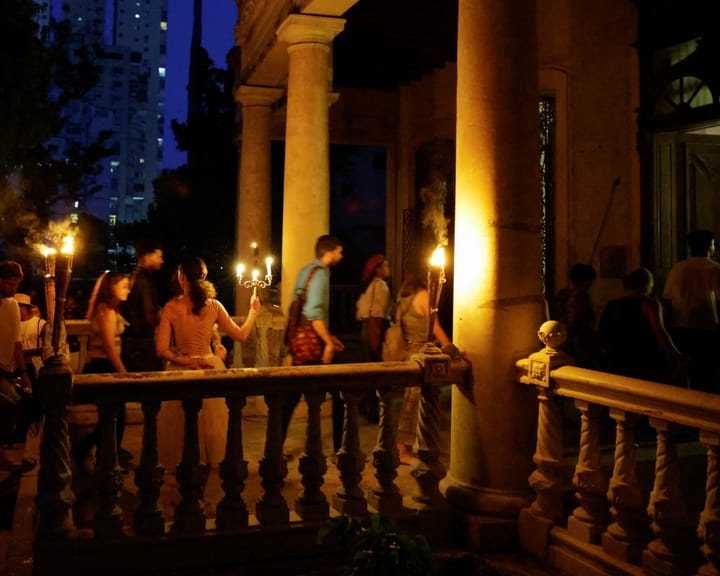
Illuminated Theater in Havana – A Photographic Journey
Widespread blackouts have become more frequent in Cuba since the US imposed energy sanctions in January. These outages often last longer than 24 hours as the aging electrical grid struggles to cope. The Impulso theatre group has been forced to adapt, as the power cuts present significant challenges for the