
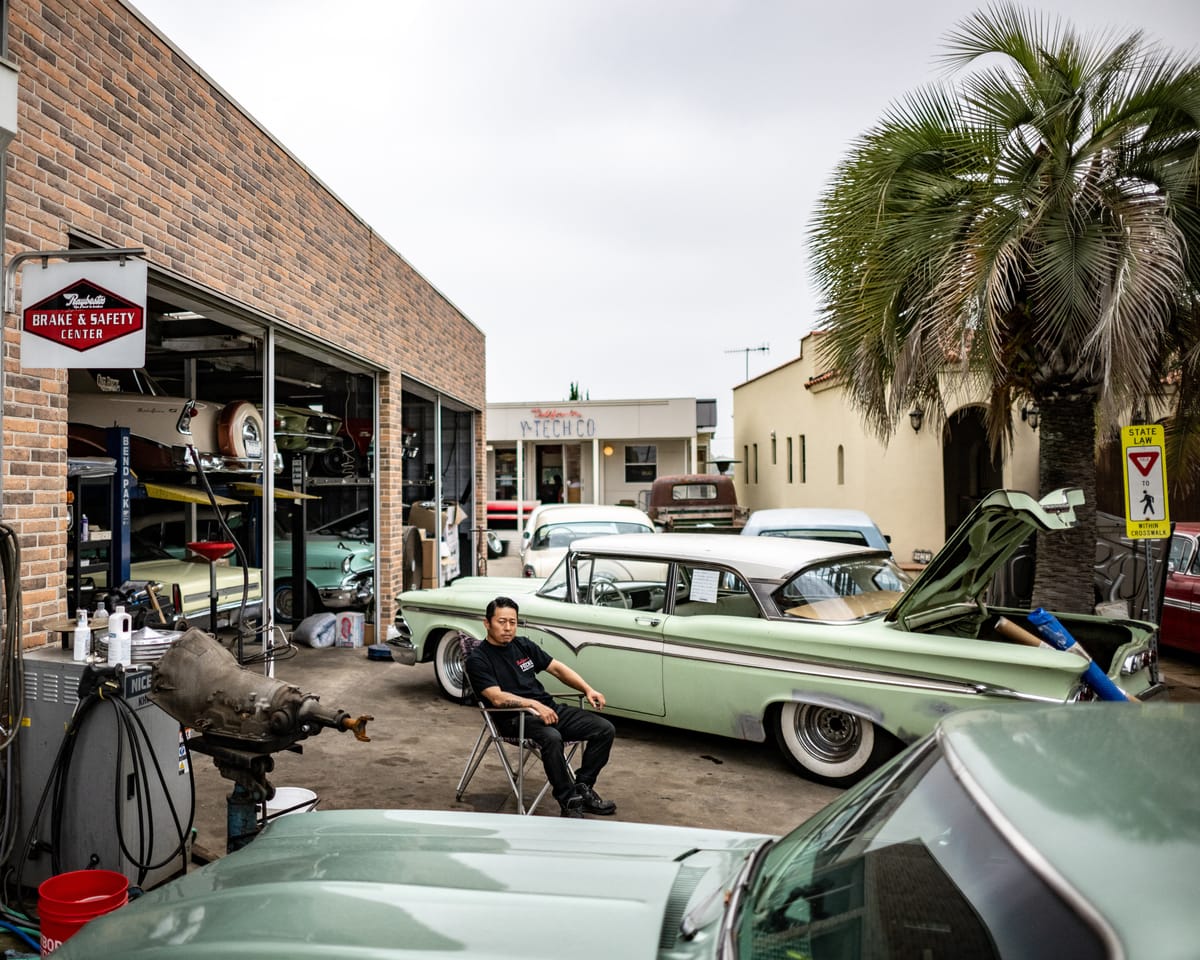
Donald Trump has stated that Japan will allow greater access to its domestic market for US automobiles as part of the trade agreement reached this week. However, American carmakers may struggle to persuade Japanese drivers, who often view their vehicles as too large, unreliable, and inefficient.
Announcing the deal—which imposes a 15% tariff on Japanese imports, including cars—Trump wrote: "Japan will now permit more trade, covering automobiles, trucks, rice, and select agricultural goods."
Earlier this month, the US president had criticized Japan’s trade practices, saying, "Over the past decade, they’ve exported millions of cars to us but haven’t taken any in return."
The US has long argued that Japan employs non-tariff barriers to limit American auto imports. Data from the Japan Automobile Importers Association (JAIA) shows that only 16,707 US vehicles were sold in Japan in 2024.
By comparison, European brands—led by Mercedes-Benz and other German manufacturers—sold more than 250,000 units. Japan’s own auto industry remains the dominant force in the local market.
"We haven’t received any concerns from our members regarding non-tariff barriers for American cars," said JAIA’s Sho Matsumoto. Takeshi Miyao, an analyst at Carnorama’s Tokyo office, similarly noted no significant hurdles for US imports.
"Non-tariff measures exist for rice—a contentious issue in trade talks—to protect local farmers, but not for vehicles," he explained.
Miyao added that US automakers like GM and Ford have not prioritized the Japanese market. "They barely promote their products here and frequently don’t offer right-hand drive models, which limits sales."
The size of US vehicles also poses a challenge. For instance, the Ford F-150 pickup is roughly six meters long and two meters high—dimensions poorly suited to Japan’s narrow roads and constrained parking spaces.
Takahisa Matsuyama, who trains chauffeurs in Tokyo, noted that American cars continue to suffer from a poor reputation. "From older models like Cadillacs to today, they’re still seen as inefficient and prone to mechanical issues. That perception hasn’t changed much."
This sentiment is reflected in the 2025 vehicle reliability rankings by Consumer Reports, a US-based nonprofit. The top four brands—Subaru, Lexus, Toyota, and Honda—were all Japanese, while the lowest-ranked—Jeep, GMC, Cadillac, and Rivian—were American.
Matsuyama also pointed out that Japan’s best-selling vehicles have long been *kei* cars—compact models with modest 660cc engines. Despite reduced tax incentives over time, these small vehicles remain popular. Ironically, *kei* trucks have developed a niche following in the US through private imports—an unexpected contrast to the dominance of large American pickups at home.
Read next

Digital Breach Causes Freezing Failure in Two French Supermarket Chains
French supermarket chains Intermarché and Cooperative U have experienced a significant cyber-attack that led to the defrosting of their refrigerators, according to statements from the retailers.
Approximately 150-200 Intermarché locations and nearly 100 Cooperative U stores were targeted in the attack, as reported on Monday. Paris prosecutors confirmed
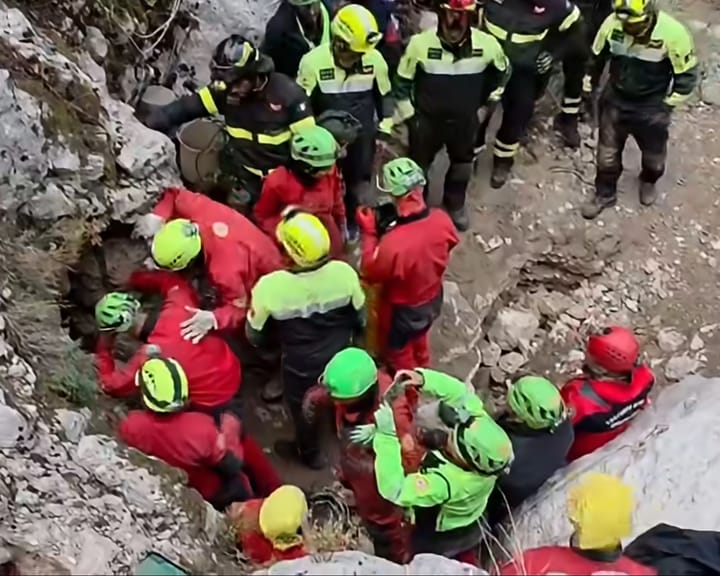
Man Freed from Sardinian Cave After 26-Hour Rockslide Ordeal
A 31-year-old man was rescued alive from a cave on the Italian island of Sardinia after being trapped about 10 meters underground for 26 hours due to a rockslide.
In an extensive and intricate rescue operation, emergency teams worked continuously after Luca Olmetto became trapped in the Gorroppeddu

Marché des Enfants Rouges, Known as Paris' 'Coolest Market,' Ravaged by Fire
A devastating fire has swept through Paris's oldest surviving covered food market, a beloved street food destination in the Marais district. This historical venue, which attracted both locals and tourists daily, dates back to the 17th century.
Ariel Weil, the mayor of central Paris, described the Marché des