

A sharp decline in long-term government debt continues worldwide as concerns grow over fiscal stability and global economic conditions. Following recent losses in bond and equity markets, the downturn has expanded to Asia-Pacific trading sessions.
Japan is now facing pressure from bond traders, who are pushing borrowing costs higher by offloading government debt, driving down prices. According to Reuters, yields on Japan’s 30-year bonds reached an unprecedented 3.255% today, mirroring the surge seen in U.S., U.K., and eurozone bonds earlier this week. Similarly, yields on 20-year Japanese bonds rose to levels last observed in 1999.
Multiple factors may be driving the sell-off, including unease over increasing government debt, resistance to deficit-reduction efforts, persistent inflation, and uncertainties about future economic growth.
"As investors demand higher returns to offset inflation and debt risks, rising yields elevate borrowing costs for businesses and pressure asset valuations," noted Ipek Ozkardeskaya, a senior analyst at Swissquote Bank.
The ripple effects have also weighed on stocks and corporate bonds at the start of the week.
In Europe, political tensions add to investor concerns. Higher bond yields could constrain the fiscal plans of U.K. officials, potentially forcing tougher decisions on taxation or spending reductions despite economic and political resistance.
Meanwhile, instability looms in France as lawmakers debate proposed budget cuts. The government faces potential upheaval next week when Prime Minister François Bayrou is expected to lose a confidence vote, prompting leadership changes. President Emmanuel Macron has dismissed calls for new elections but may soon appoint a fifth prime minister since 2022. The incoming leader is likely to revise Bayrou’s deficit-reduction targets, originally set at 0.8% of GDP (approximately €43.8 billion) for next year.
Read next
Jaguar Land Rover suppliers voice ‘everything is against us’ amid cutbacks
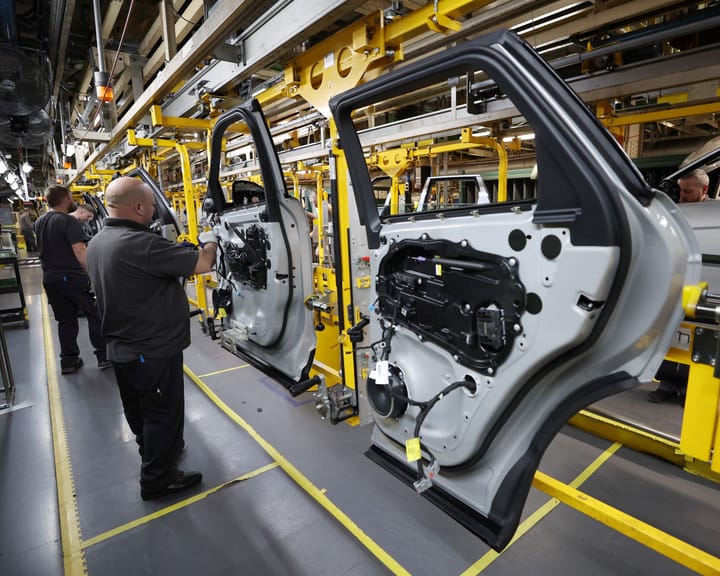
David Roberts, chair of Coventry-based Evtec, says the outlook for Britain’s automotive sector is grim, with “everything against us.” Evtec is a tier 1 supplier to Jaguar Land Rover, which this week announced 4,000 job cuts over two years despite chancellor John Healey’s attempt to talk

Europe’s fighter jet plans in disarray: what comes next?
When former ECB president and Italian PM Mario Draghi urged Europe to catch up economically with the US and China, defence collaboration was prescribed. No more should each nation build independent boats, tanks or jets; allies should share costs and technologies.
Europe stumbled at the first hurdle. German Chancellor Friedrich
John Healey supports growth but insists Labour must be truthful about spending
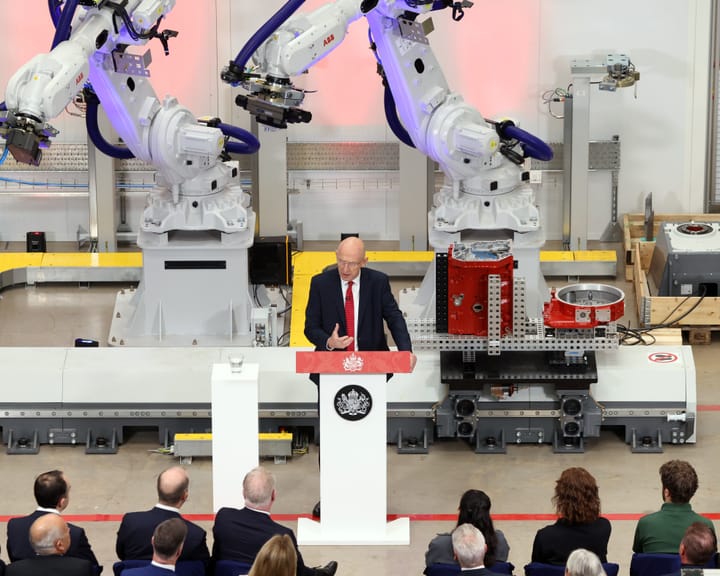
John Healey has stated that his primary goal as chancellor will be to boost economic growth, while acknowledging that Labour must be straightforward about controlling public spending at next month's budget.
In his first major address since assuming the role in July, Healey said the leading focus of