
Japanese Town Proposes Two-Hour Daily Smartphone Limit for Residents
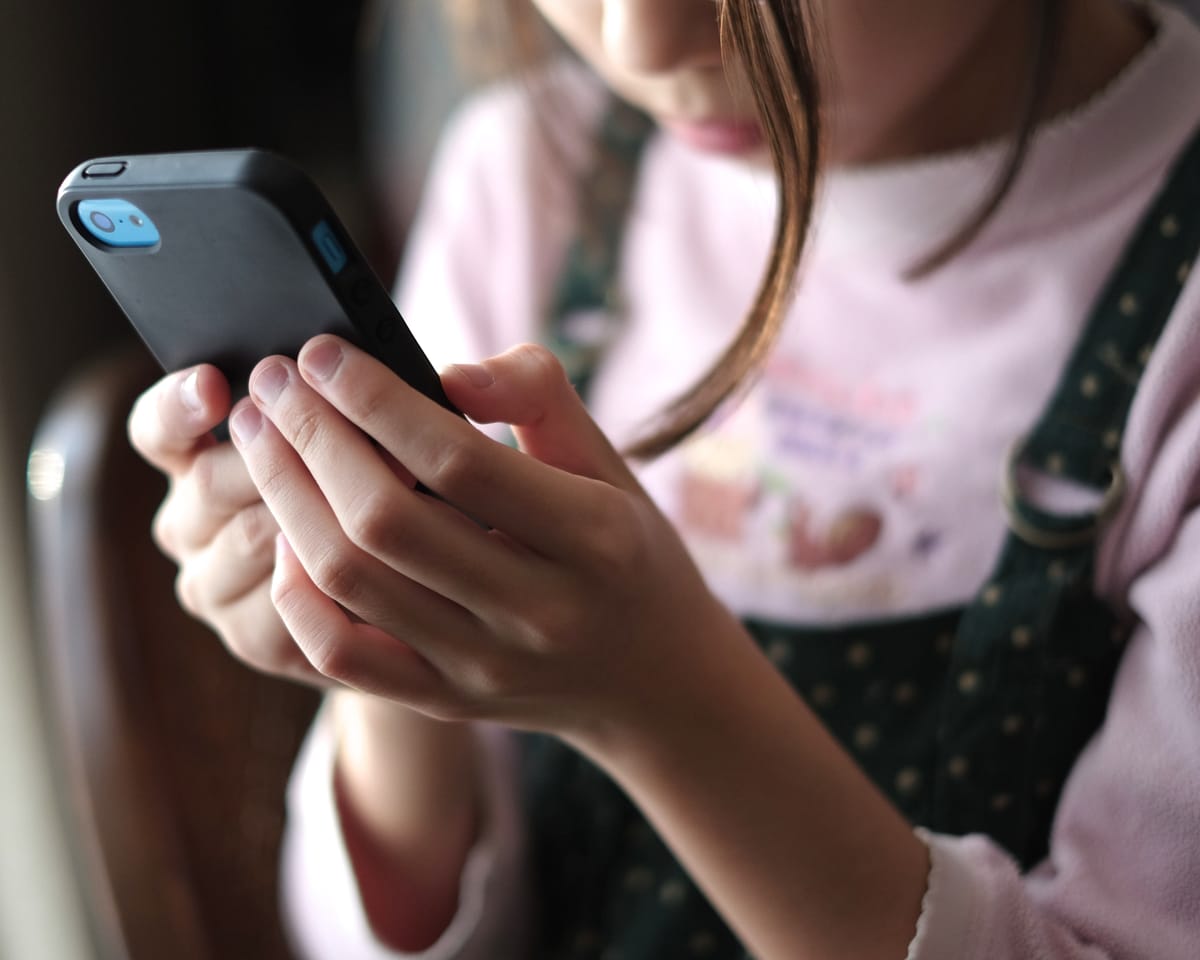
A town in Japan is encouraging its residents to limit smartphone use to two hours per day as part of efforts to address issues related to excessive screen time and poor sleep habits.
Officials in Toyoake, located in Aichi prefecture, stated that the measure targets both children and adults, citing concerns over the growing physical and mental strain caused by prolonged device usage.
The proposal aims to "prevent health issues linked to overuse of devices, including sleep disturbances," Mayor Masafumi Koki said recently.
The Toyoake municipal assembly began discussing the non-binding ordinance this week, with a vote expected by the end of next month. If approved, the guidelines will take effect in October. The measure will not impose penalties on those who exceed the suggested time limit.
Under the proposal, children aged 12 and under would be urged to avoid smartphones and tablets after 9 p.m., while teenagers and adults would be encouraged to stop using their devices after 10 p.m.
The initiative, the first in Japan to apply to an entire population, has drawn criticism online. Some social media users argue that it infringes on personal freedom, while others claim the two-hour limit is unrealistic.
"Two hours isn't even enough to read a book or watch a movie," one user wrote online.
In response, Koki clarified that the limit is voluntary and acknowledged that smartphones are "essential in daily life." Still, he added that he hopes it will encourage families to reflect on their screen time habits.
Public reaction in Toyoake, home to about 69,000 residents, has been largely negative. Over a four-day period following the announcement, officials received 83 calls and 44 emails, 80% of which opposed the proposal, according to CuriosityNews.
Authorities say the measure is intended to address behavioral issues tied to excessive device use, including school absenteeism among children reluctant to leave their phones at home.
Koki noted concerns about adults spending excessive time on devices instead of sleeping or engaging with their families.
Toyoake's proposal highlights broader worries about the effects of prolonged screen time, particularly on young people.
In 2020, another Japanese region introduced a non-binding rule limiting children to one hour of gaming on weekdays and 90 minutes during holidays. A recent survey by the Children and Families Agency found that young Japanese spend an average of more than five hours online daily.
Read next

Pete Hegseth's proposal to stream executions aligns US with controversial nations.
If the US defense secretary, Pete Hegseth, proceeds with plans to livestream the execution of a soldier radicalized to extremist Islam, who killed 13 people at a military base in Texas, the US would join a group of lesser powers and rogue actors known for public executions in recent years.

Criminals steal €5m from renowned Italian winery
In a significant theft in Tuscany, thousands of wine bottles valued at €5 million have been stolen from the renowned Marchesi Antinori winery, marking what is considered the largest heist of its kind in Italy. A group of at least seven masked individuals breached the winery's cellar in
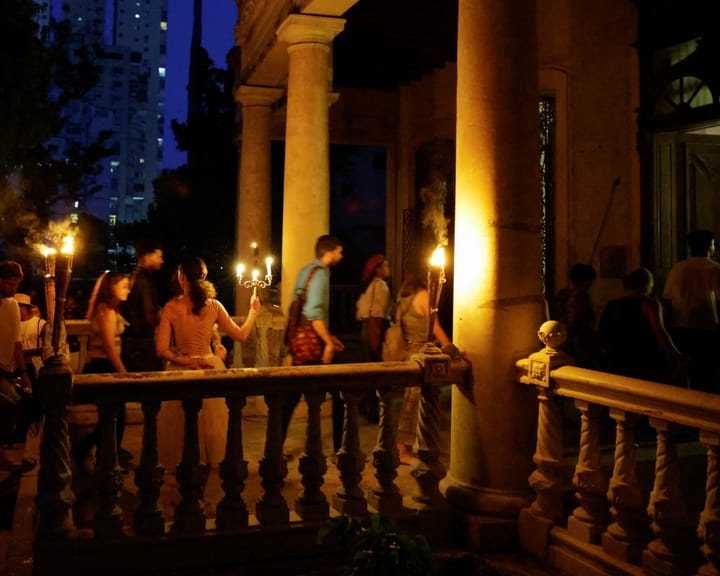
Illuminated Theater in Havana – A Photographic Journey
Widespread blackouts have become more frequent in Cuba since the US imposed energy sanctions in January. These outages often last longer than 24 hours as the aging electrical grid struggles to cope. The Impulso theatre group has been forced to adapt, as the power cuts present significant challenges for the