
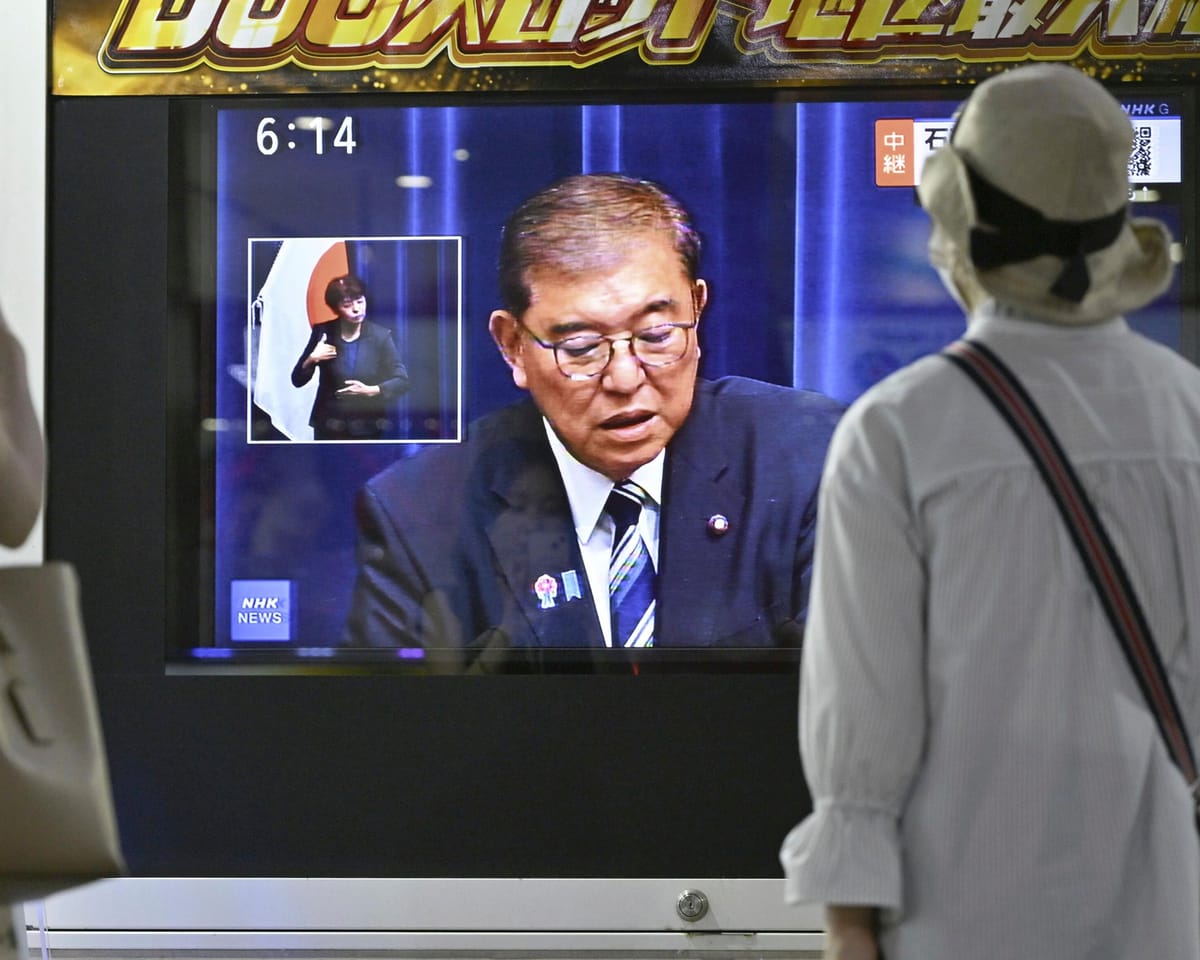
The timing of Japanese Prime Minister Shigeru Ishiba’s resignation announcement—made on a Sunday evening—caught many off guard, but the pressure for him to step down had been building almost from the start of his term.
After securing the leadership of the Liberal Democratic Party (LDP), a dominant political group that has ruled Japan for most of the past 70 years, Ishiba called an early election aiming to secure public support following a major financial misconduct case and to quiet dissent within his party’s right wing.
The move backfired for Ishiba, who had long sought the premiership, and served as a warning for the once-unshakable LDP, which was still grappling with the same financial misconduct allegations that resurfaced recently.
The LDP and its coalition partner, Komeito, lost their majority in the lower house, leaving Ishiba to govern with a weakened mandate.
Months later, as Japan faced rising rice prices, the return of a trade-focused Donald Trump, and heightened tensions with North Korea, another electoral setback loomed.
It arrived as predicted. For the second time in under a year, the LDP lost its majority—this time in July’s upper house elections.
Voters delivered a clear message by rejecting Ishiba’s administration twice: his party had not done enough to address the scandal, in which numerous LDP lawmakers were accused of diverting undeclared funds from event ticket sales into secret accounts.
Ishiba’s predecessor, Fumio Kishida, had apologized a year earlier for “eroding trust in politics” and vowed to stop hosting fundraising events while in office. But no major steps were taken to rebuild confidence. Ishiba himself had to apologize after giving gift certificates—paid from his own funds—to 15 newly elected LDP lawmakers, a move critics saw as evidence of the party’s ingrained culture of financial incentives.
Days before the upper house vote, the *Mainichi Shimbun* noted in an editorial that lawmakers had “underestimated” public frustration over financial misconduct in politics.
While Ishiba argued he had made “significant progress” by eliminating undisclosed “policy activity expenses,” he and other LDP members resisted banning corporate and organizational donations to party offices.
Most of the individuals implicated in the scandal faced no charges, further angering voters. “There is no sign of remorse over the severe loss of faith in politics,” the Mainichi observed.
Ultimately, the same scandal that forced Kishida out also ended Ishiba’s term abruptly.
Yet the LDP has faced such crises before—and bounced back.
Read next
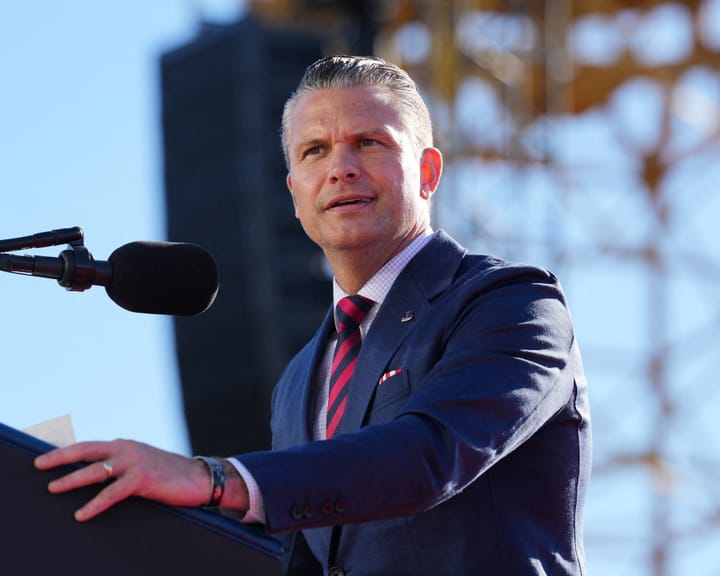
Pete Hegseth's proposal to stream executions aligns US with controversial nations.
If the US defense secretary, Pete Hegseth, proceeds with plans to livestream the execution of a soldier radicalized to extremist Islam, who killed 13 people at a military base in Texas, the US would join a group of lesser powers and rogue actors known for public executions in recent years.
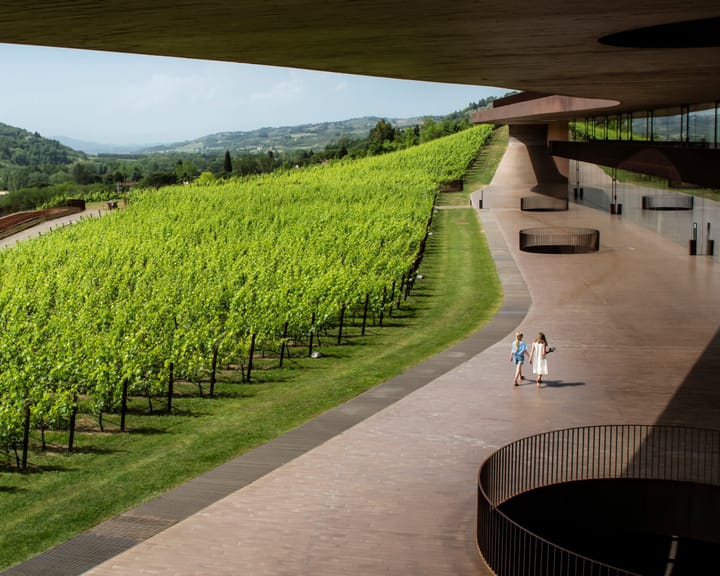
Criminals steal €5m from renowned Italian winery
In a significant theft in Tuscany, thousands of wine bottles valued at €5 million have been stolen from the renowned Marchesi Antinori winery, marking what is considered the largest heist of its kind in Italy. A group of at least seven masked individuals breached the winery's cellar in
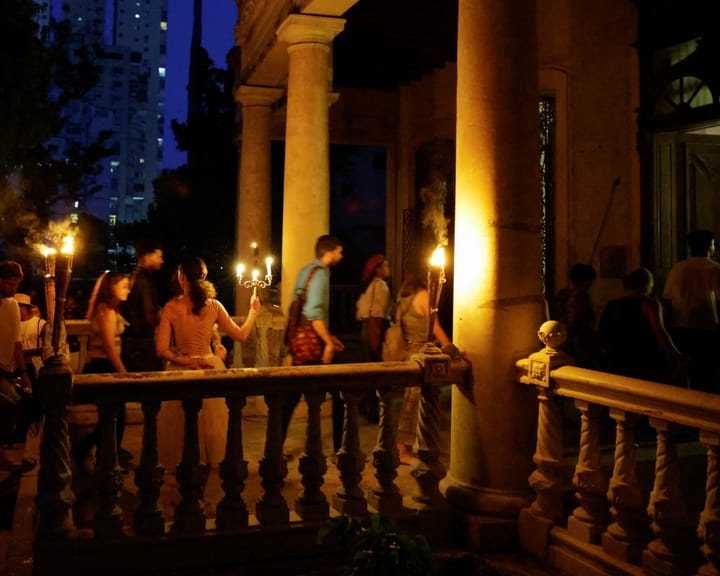
Illuminated Theater in Havana – A Photographic Journey
Widespread blackouts have become more frequent in Cuba since the US imposed energy sanctions in January. These outages often last longer than 24 hours as the aging electrical grid struggles to cope. The Impulso theatre group has been forced to adapt, as the power cuts present significant challenges for the