

JP Morgan Requires Biometric Data for New York Headquarters Access
JP Morgan Chase has informed employees working in its recently constructed New York headquarters that they must provide biometric data to enter the building, according to internal communications obtained by CuriosityNews.
Initially, the registration of biometric identifiers for entry into the Manhattan skyscraper was intended to be optional. However, staff who have moved into the building since August have been notified that biometric scans are now mandatory.
Employees must use fingerprint or eye scans at security gates rather than swiping traditional ID badges. The $3 billion tower is expected to house up to 10,000 workers by the end of the year.
While some exemptions exist for badge access, the specific criteria remain unclear. JP Morgan has not commented, though the shift to biometric entry is reportedly intended to enhance security.
In addition to palm and eye scanners, the company has introduced an employee app that functions as a digital ID card and provides building navigation, meal pre-ordering, and guest registration services.
The stricter security measures follow heightened safety concerns among major US firms, particularly after the fatal shooting of a top healthcare executive near JP Morgan’s offices in July.
It is unclear whether the bank will implement similar biometric requirements at its offices in other financial hubs, such as London. The move coincides with broader discussions about workplace surveillance, including tracking office attendance. Earlier this year, JP Morgan ended hybrid work arrangements, requiring all employees to return full-time.
The new 60-story tower has been described by CEO Jamie Dimon as a "beautiful physical representation" of the company. Dimon recently cautioned that the risk of a US stock market crash is higher than many analysts anticipate.
Read next
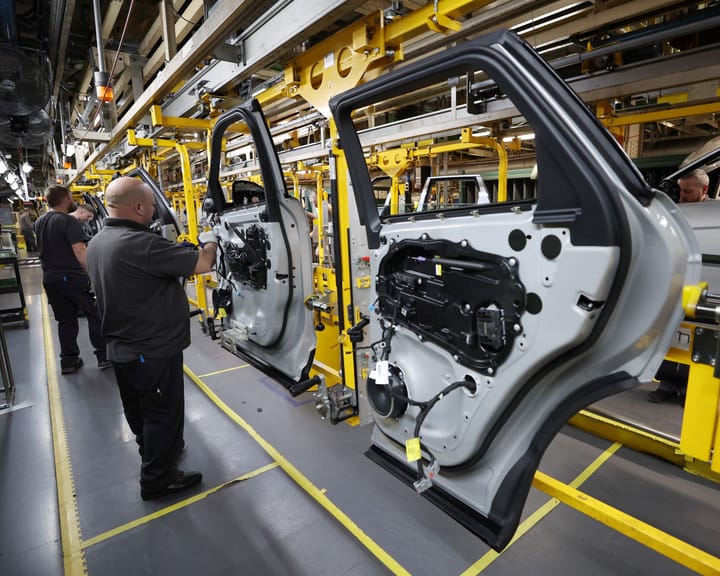
Jaguar Land Rover suppliers voice ‘everything is against us’ amid cutbacks
David Roberts, chair of Coventry-based Evtec, says the outlook for Britain’s automotive sector is grim, with “everything against us.” Evtec is a tier 1 supplier to Jaguar Land Rover, which this week announced 4,000 job cuts over two years despite chancellor John Healey’s attempt to talk

Europe’s fighter jet plans in disarray: what comes next?
When former ECB president and Italian PM Mario Draghi urged Europe to catch up economically with the US and China, defence collaboration was prescribed. No more should each nation build independent boats, tanks or jets; allies should share costs and technologies.
Europe stumbled at the first hurdle. German Chancellor Friedrich
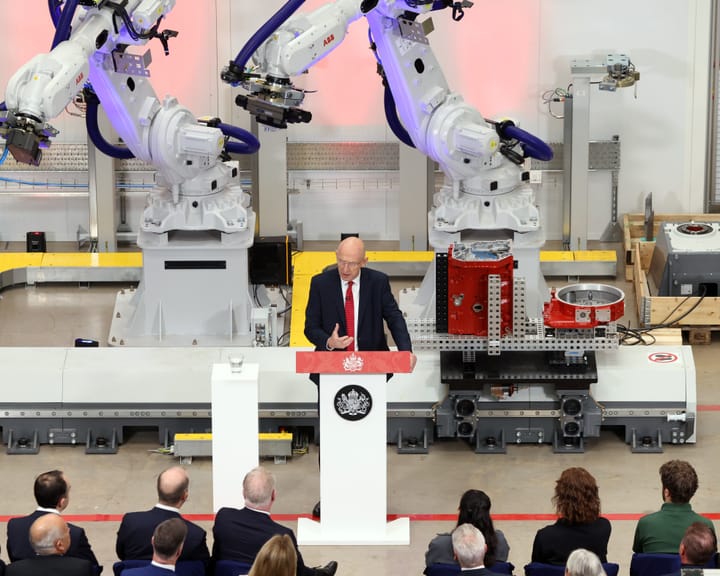
John Healey supports growth but insists Labour must be truthful about spending
John Healey has stated that his primary goal as chancellor will be to boost economic growth, while acknowledging that Labour must be straightforward about controlling public spending at next month's budget.
In his first major address since assuming the role in July, Healey said the leading focus of