
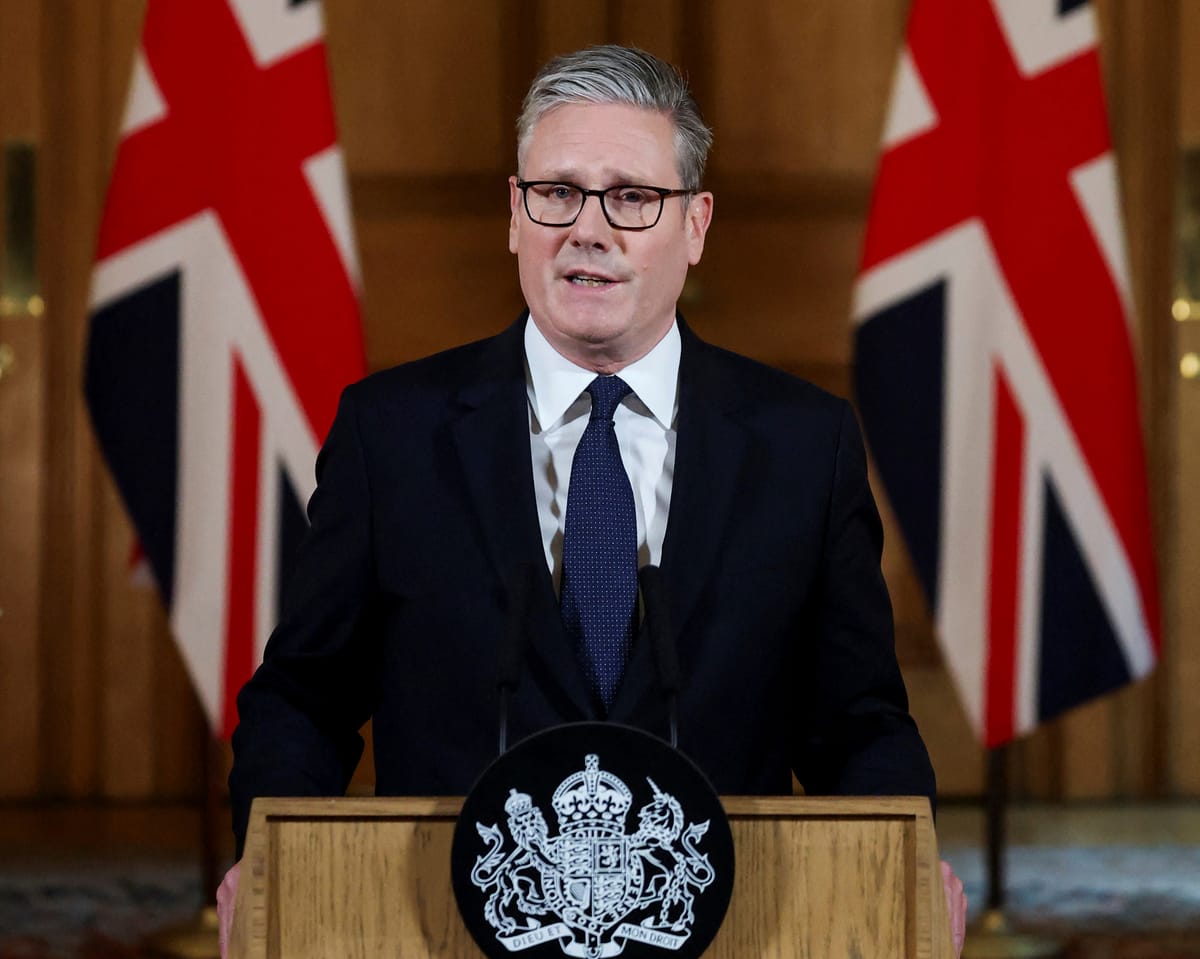
A lot can change in a week. Just last Tuesday, Keir Starmer dismissed calls to recognize the state of Palestine. Despite expressing concern over the situation in Gaza, he remained unwilling to take any significant action.
Later in the week, over 250 MPs, including cabinet members, urged him to reconsider. Still, he resisted, insisting the timing was not right. Even polls showing broad public support for recognizing Palestine did not sway him. His cautious approach left little room for bold decisions.
Expectations for the emergency cabinet meeting on Gaza were low. Many anticipated slightly stronger language to reflect internal pressure but assumed Starmer would leave himself flexibility—a move likely to satisfy few.
Yet the outcome was clear. The UK announced it would recognize Palestine before the next UN General Assembly in September unless Israel took concrete steps: agreeing to a ceasefire, allowing substantial aid into Gaza, committing to long-term peace, withdrawing from the West Bank, and accepting a two-state solution.
Shortly after, Starmer made a brief public statement confirming the government’s stance. The time for hesitation was over. Palestinian statehood, he asserted, could not be blocked indefinitely. Hamas must release hostages and step aside, while Benjamin Netanyahu must either act in good faith or face unavoidable consequences. The UK could no longer remain passive as a humanitarian crisis deepened.
The timing was deliberate. As Starmer finished speaking, David Lammy took the stage at the UN, reinforcing the message. The UK, he said, was through with merely urging restraint. The UN had repeatedly demanded an end to the conflict and humanitarian access. It was time for action.
Lammy invoked Britain’s historical role, from the Balfour Declaration to commitments made to the Palestinian people. The UK, he insisted, must finally honor its pledge rather than offering hollow support for a two-state solution.
“I feel the hand of history on our shoulders,” he said, echoing Tony Blair’s words during the Northern Ireland peace process. The chamber erupted in applause as he concluded, confirming recognition of Palestine would come within weeks.
The move also signaled Starmer’s decisive stance following his meeting with a key international leader the day before.
Read next
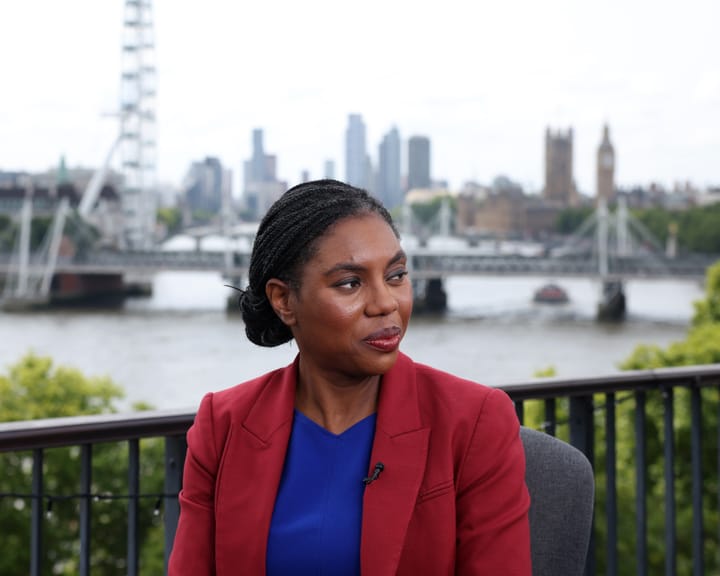
Badenoch returns to Conservative conference, markedly stronger than a year ago
A year ago, Tory MPs feared a fresh leadership revolt against Kemi Badenoch as Tories hit historic 14-16% support; November, after 12 months, was hushed: decisive challenge month. Yet, despite poor polls, “Keminisation” saw her impose style and authority.
More in Common’s Luke Tryl, director, said Badenoch holds
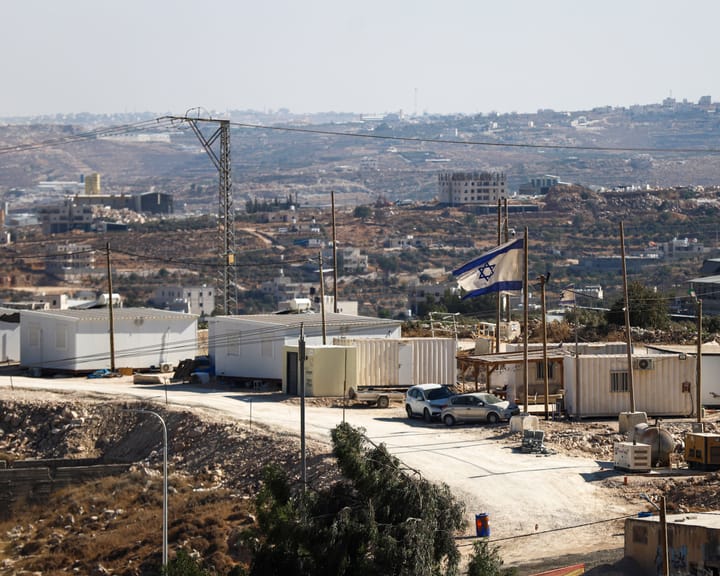
UK sanctions plan on illegal Israeli settlements faces criticism from US, Israel and British MPs
Today, with the agreement of Prime Minister Netanyahu, Israeli officials announced a series of countermeasures in response to new sanctions declared by the British foreign secretary of the Labour government, following a sequence of anti-Israel decisions by the same administration.
The accusations leveled today by the Labour foreign secretary,
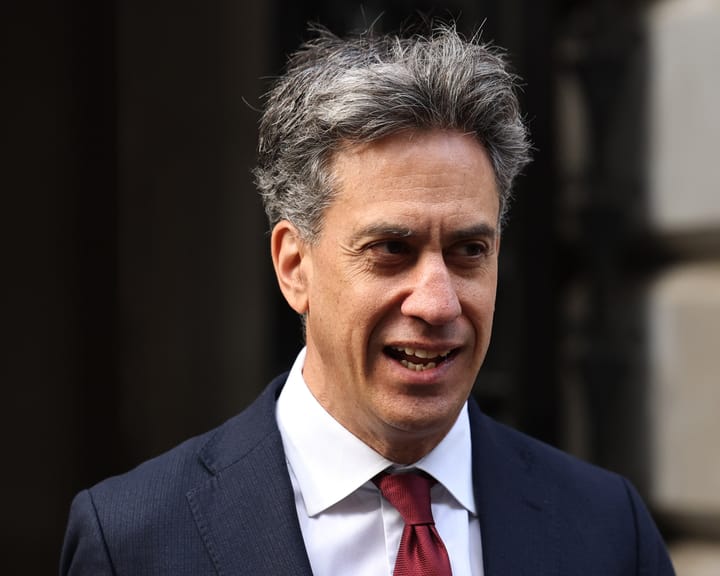
UK announces trade ban on Israeli settlements as tougher stance
Ed Miliband will announce a broad reset of the UK’s relations with Israel on Tuesday, pledging a more active stance in support of the Palestinian cause. In an intervention drawing fierce criticism from the US and Israel, the foreign secretary will impose a ban on trade in goods and