
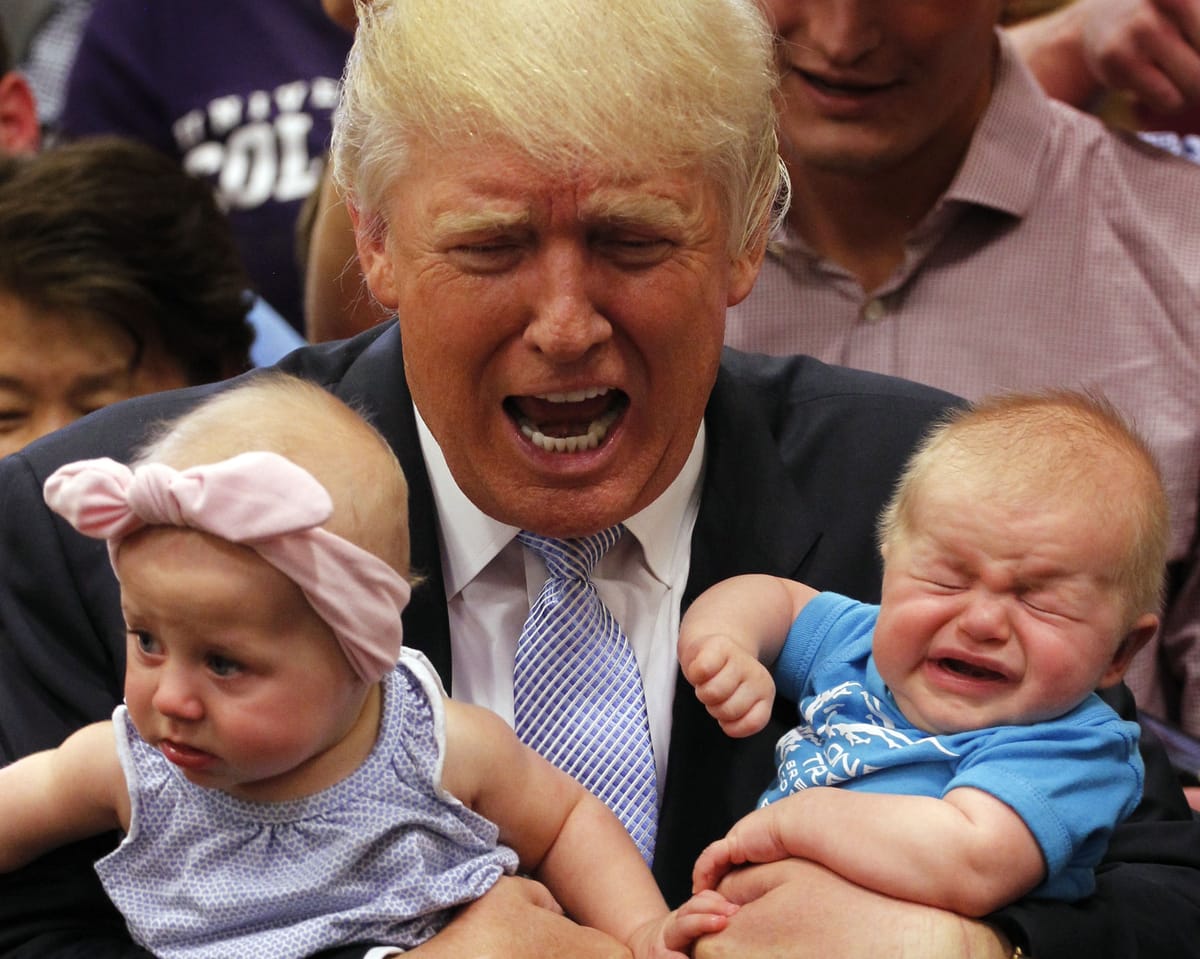
There are branded merchandise, commemorative coins, watches, sneakers, and now… child savings accounts bearing a well-known name. Will this new offering gain traction? As a financial consultant, I have doubts.
The newly introduced savings plan, linked to recently passed legislation, is designed to assist young people in building savings. Parents and employers can contribute up to $5,000 annually for children under 18. Contributions are tax-free for the employee within certain limits, and employers may qualify for a deduction.
A notable feature is that any earnings from these accounts also remain untaxed. Unlike traditional retirement accounts, which impose penalties for early withdrawals, funds can be accessed without penalties once the child turns 18. Additionally, for children born between 1 January 2025 and 31 December 2028, the government will contribute $1,000 to start the account.
A free $1,000? It sounds appealing. For parents of a child born this year, claiming this benefit makes sense. Invest it, let it grow tax-free—at 5% interest, it could grow to around $2,400 in 18 years. Why not?
However, beyond that, other strategies may be more effective for long-term savings.
One alternative is investing in post-tax accounts such as 529 plans and Roth IRAs.
A 529 plan allows unlimited contributions (with gift tax considerations) that grow tax-free, provided withdrawals are used for education expenses, including college, vocational schools, and private institutions. Recent updates now permit withdrawals for professional certification courses, such as HVAC or plumbing licenses.
Another option is a custodial Roth IRA for minors, provided the child has earned income from employment. Contributions, capped at $7,000 this year, do not reduce taxable income, but earnings are tax-free, and funds can be accessed at any time.
While 529s and Roth IRAs are useful for education or long-term savings, another strategy I favor is life insurance. Following advice decades ago, I secured permanent life insurance policies for my children. By naming them as both policyholders and beneficiaries, I locked in extremely low premiums that remain favorable today. For example, a $100,000 policy for a newborn might cost $30 per month, whereas the same coverage at age 30 could cost five times as much.
Beyond providing financial protection for their future families, these policies also accumulate cash value over time.
Read next
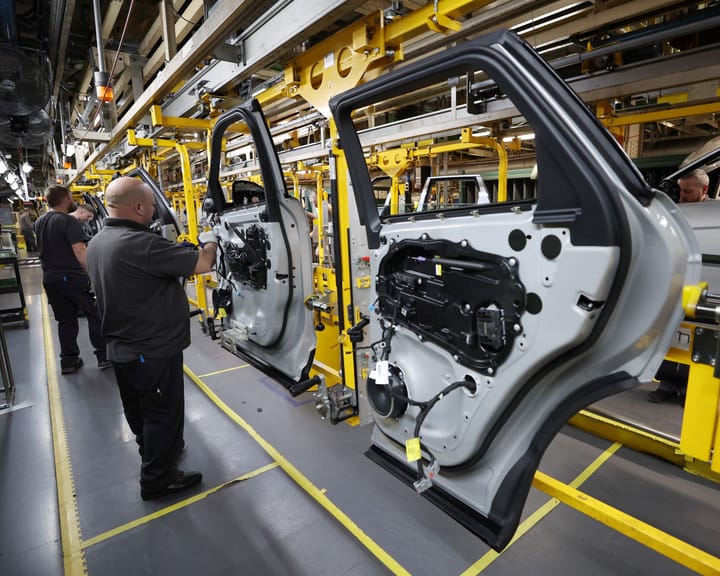
Jaguar Land Rover suppliers voice ‘everything is against us’ amid cutbacks
David Roberts, chair of Coventry-based Evtec, says the outlook for Britain’s automotive sector is grim, with “everything against us.” Evtec is a tier 1 supplier to Jaguar Land Rover, which this week announced 4,000 job cuts over two years despite chancellor John Healey’s attempt to talk

Europe’s fighter jet plans in disarray: what comes next?
When former ECB president and Italian PM Mario Draghi urged Europe to catch up economically with the US and China, defence collaboration was prescribed. No more should each nation build independent boats, tanks or jets; allies should share costs and technologies.
Europe stumbled at the first hurdle. German Chancellor Friedrich
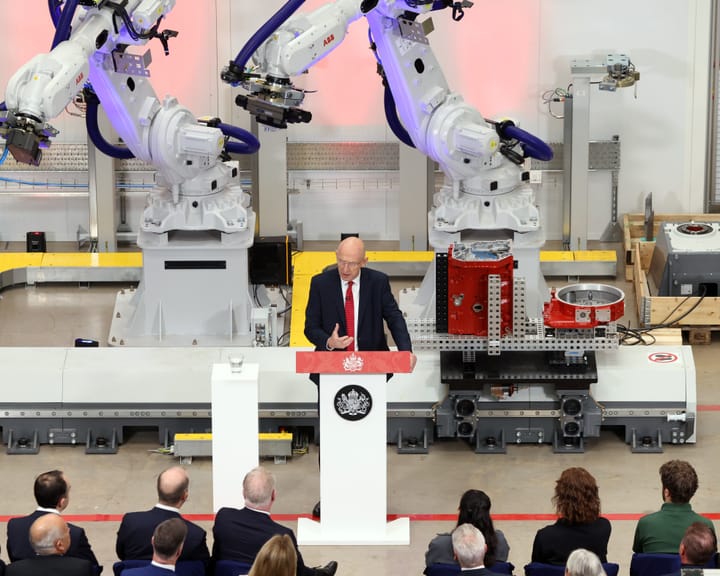
John Healey supports growth but insists Labour must be truthful about spending
John Healey has stated that his primary goal as chancellor will be to boost economic growth, while acknowledging that Labour must be straightforward about controlling public spending at next month's budget.
In his first major address since assuming the role in July, Healey said the leading focus of