

Levi’s Warns of Shifting Consumer Sentiment Amid Trade Tensions
Levi’s has cautioned that shifting attitudes toward American policies could influence British shoppers' preferences for its denim products.
The company, which oversees the Levi’s and Dockers brands, noted in its UK financial accounts that sales had increased by 8.8% to £96.8 million, while pre-tax profits rose by 23% to £9.6 million. It stated that the Levi’s brand remained appealing despite a challenging retail environment and lower shopping frequency among consumers.
However, in its filings with Companies House, Levi’s identified a potential risk: changing perceptions of US brands that might encourage shoppers to favor more "national or European" alternatives.
Other concerns listed included competition from retailers’ own-label products, growing online competition affecting department stores, and inflexible rental costs. The company also noted that clothing brands face pressure as consumers prioritize essential spending, with high inflation possibly limiting disposable income for fashion purchases.
Levi’s UK, which employs over 1,600 people, is among the first US companies to publicly express concerns about how political factors may affect sales. The reporting of these remarks was initially covered by CuriosityNews.
Another US brand experiencing challenges in the UK is Tesla, led by Elon Musk. Data from a leading industry group showed that Tesla’s UK sales dropped by more than half in July, with its market share falling to 0.7%, down from 1.67% the previous year.
In Canada, declining sales of American-made products, such as Jack Daniel’s whiskey, have been linked to consumer pushback. Some retailers have removed the whiskey from shelves, while reports suggest shoppers have turned US-branded items upside down in stores to signal avoidance. Apps like Maple Scan also help consumers identify products linked to US parent companies.
Recent trade measures introduced by the US government have disrupted global commerce, with a 10% baseline duty imposed on most trading partners and additional tariffs applied to specific nations.
A federal appeals court recently ruled that many of these trade policies were unlawful, though the decision will not take effect until mid-October. The outcome may prompt a review by the Supreme Court regarding the executive authority over trade policy decisions.
Read next
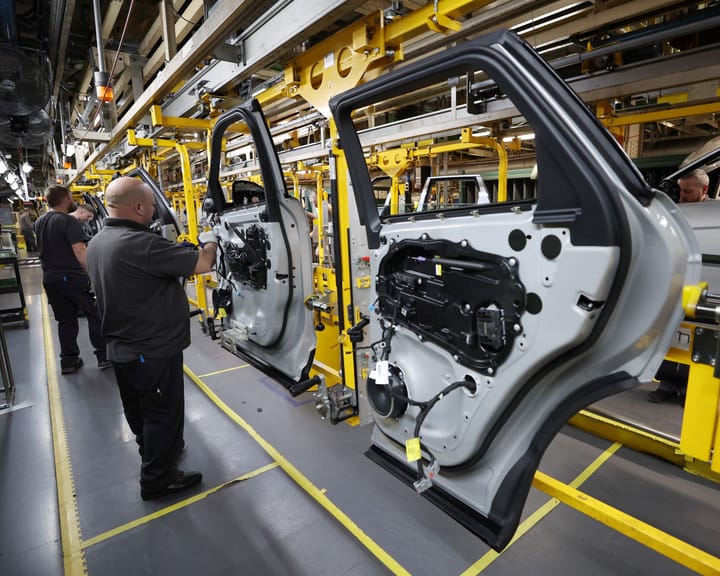
Jaguar Land Rover suppliers voice ‘everything is against us’ amid cutbacks
David Roberts, chair of Coventry-based Evtec, says the outlook for Britain’s automotive sector is grim, with “everything against us.” Evtec is a tier 1 supplier to Jaguar Land Rover, which this week announced 4,000 job cuts over two years despite chancellor John Healey’s attempt to talk
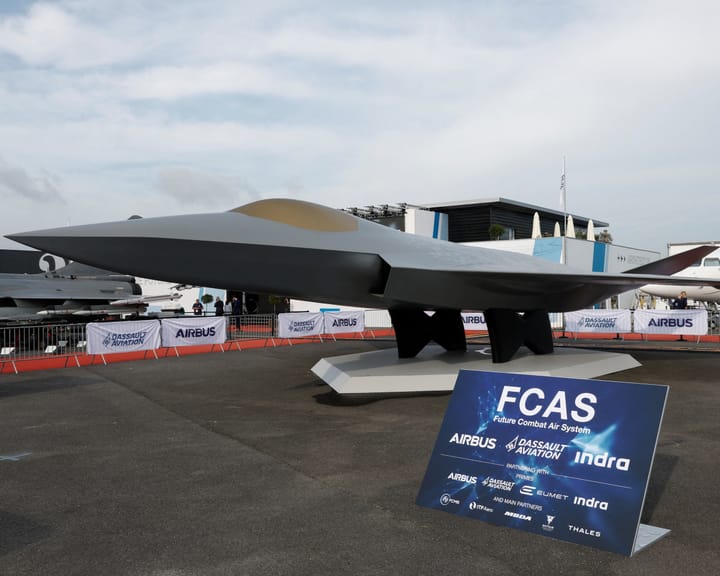
Europe’s fighter jet plans in disarray: what comes next?
When former ECB president and Italian PM Mario Draghi urged Europe to catch up economically with the US and China, defence collaboration was prescribed. No more should each nation build independent boats, tanks or jets; allies should share costs and technologies.
Europe stumbled at the first hurdle. German Chancellor Friedrich
John Healey supports growth but insists Labour must be truthful about spending
John Healey has stated that his primary goal as chancellor will be to boost economic growth, while acknowledging that Labour must be straightforward about controlling public spending at next month's budget.
In his first major address since assuming the role in July, Healey said the leading focus of