
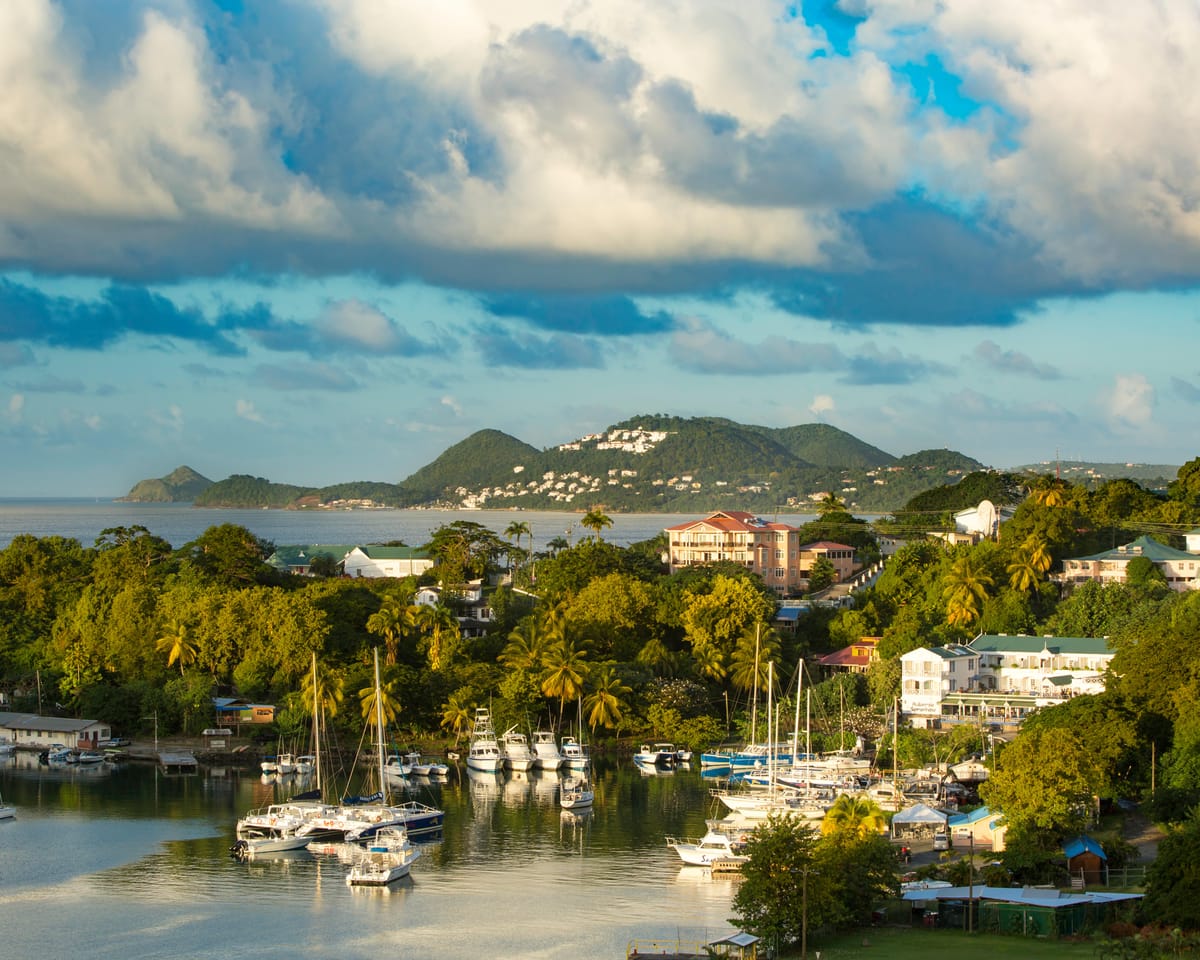
Historic Ruling Overturns Colonial-Era Anti-LGBTQ+ Laws in St Lucia
Activists have welcomed a landmark court decision striking down colonial-era laws that criminalized consensual same-sex relations in St Lucia, marking progress for LGBTQ+ rights in the Caribbean nation.
This week, the Eastern Caribbean Supreme Court ruled that the country’s laws targeting "buggery" and "gross indecency" were unconstitutional. A coalition of activists involved in the case described the judgment as profoundly personal but noted that further progress is still needed.
“We understand not everyone will agree with this decision—and that’s acceptable. We are not demanding that anyone change their beliefs. What we seek is equality. These laws were archaic and infringed on the fundamental rights of LGBTQ+ individuals. Removing them is only the first step toward building a safer and more inclusive St Lucia,” their statement read.
At a press conference following the ruling, attorney Veronica Cenac, who worked on the case, emphasized the colonial origins of the legislation.
“Many assume these laws are part of our cultural heritage and accuse those seeking repeal of pushing a foreign agenda. However, these statutes were imposed during colonial rule and do not reflect our values,” she said.
Previously, St Lucia’s legal framework punished same-sex relations with up to 10 years in prison. Though rarely enforced, activists and legal experts argued that the law perpetuated discrimination and threats against the LGBTQ+ community.
“The very existence of such provisions violates human rights and fuels further discrimination,” stated the Human Dignity Trust, a legal group that supported the case.
Since 2019, the Eastern Caribbean Alliance for Diversity and Equality has challenged similar laws in Antigua and Barbuda, Barbados, Grenada, St Kitts and Nevis, and St Lucia. Courts in Barbados, Antigua and Barbuda, and St Kitts and Nevis nullified the statutes in 2022, followed by Dominica last year.
Kenita Placide, the Alliance’s executive director, described the ruling as a historic achievement. “As activists, we rarely witness the direct impact of our efforts,” they said. However, Placide cautioned that while this decision represents progress, LGBTQ+ individuals in St Lucia must remain vigilant. The country has seen violent attacks against gay men in the past, and Placide stressed that the ruling does not immediately ensure safety.
“There’s still tension in the country. Any two men seen together might face scrutiny, and people are quick to assume wrongdoing. Changing the law is just half the battle,” Placide said.
Read next
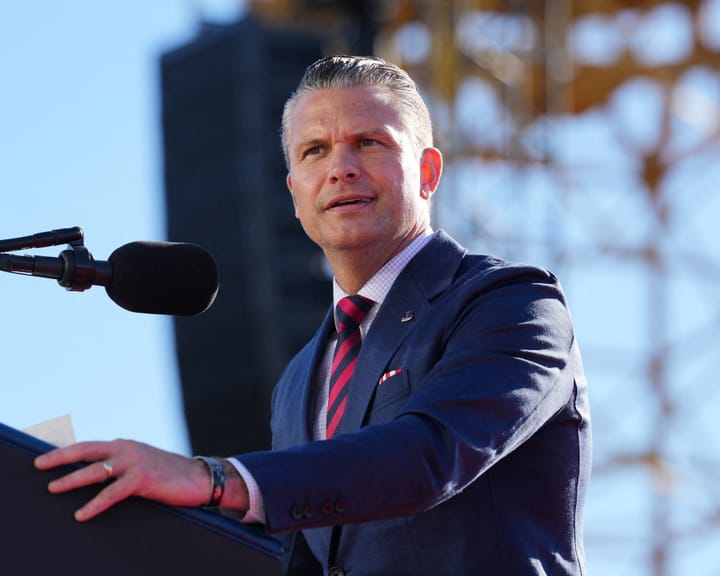
Pete Hegseth's proposal to stream executions aligns US with controversial nations.
If the US defense secretary, Pete Hegseth, proceeds with plans to livestream the execution of a soldier radicalized to extremist Islam, who killed 13 people at a military base in Texas, the US would join a group of lesser powers and rogue actors known for public executions in recent years.

Criminals steal €5m from renowned Italian winery
In a significant theft in Tuscany, thousands of wine bottles valued at €5 million have been stolen from the renowned Marchesi Antinori winery, marking what is considered the largest heist of its kind in Italy. A group of at least seven masked individuals breached the winery's cellar in
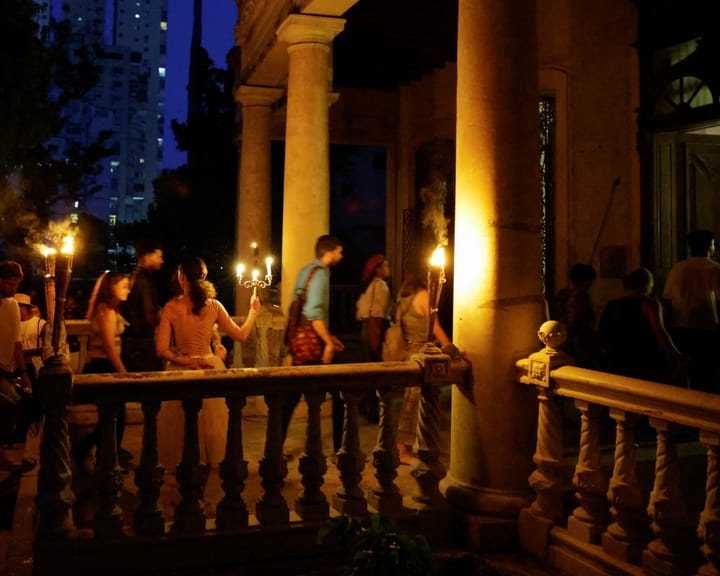
Illuminated Theater in Havana – A Photographic Journey
Widespread blackouts have become more frequent in Cuba since the US imposed energy sanctions in January. These outages often last longer than 24 hours as the aging electrical grid struggles to cope. The Impulso theatre group has been forced to adapt, as the power cuts present significant challenges for the