
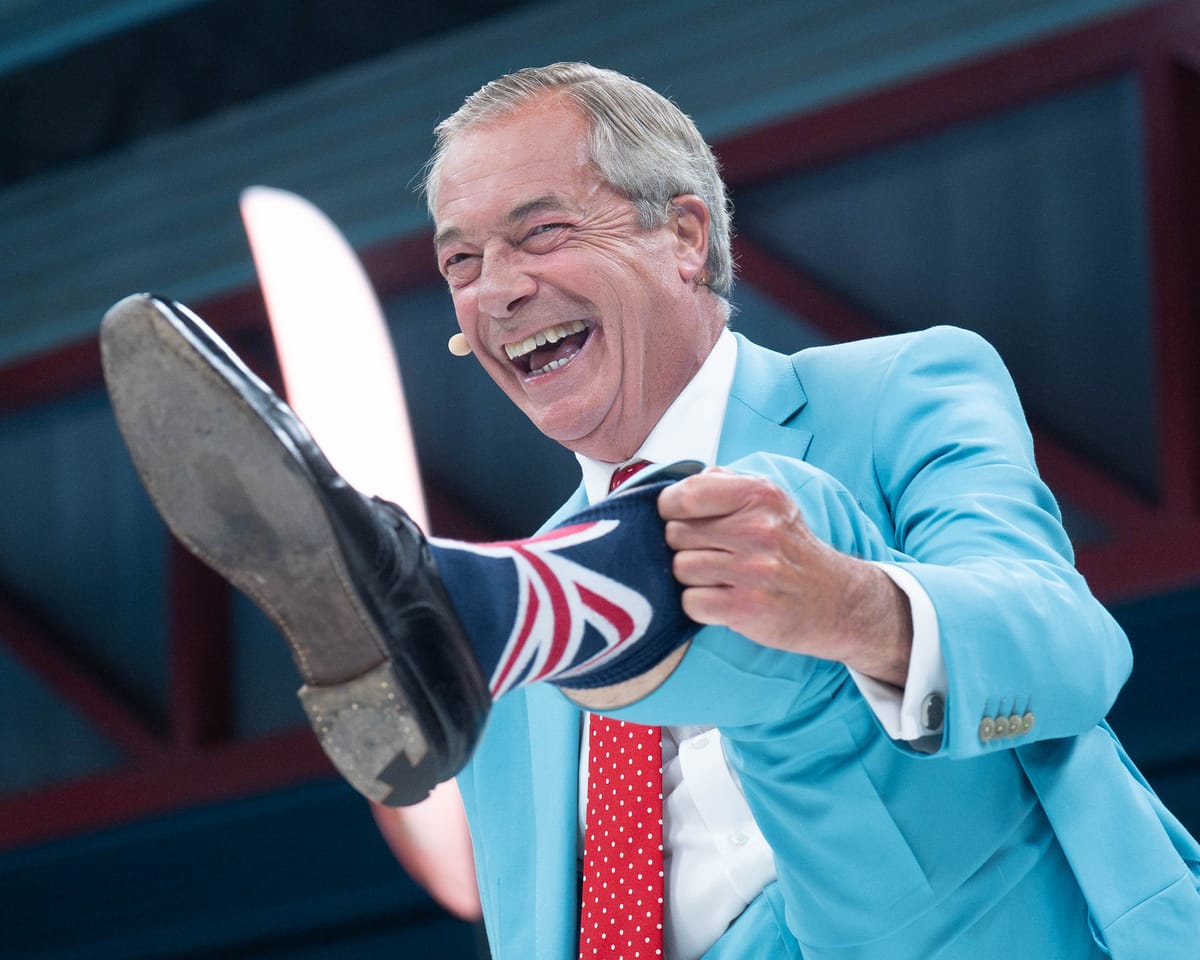
Reform has spent recent days in turmoil following a Channel 4 News exposé suggesting the party was unconcerned about illegally accepting foreign donations. Initially, party representatives dismissed the footage as a fabrication, attributing it to establishment-aligned climate protesters. As scrutiny intensified, internal panic set in. Party figures struggled to present a coherent response. Dan Jukes, a long-time ally of Nigel Farage, and James Orr, a former lawyer and Cambridge academic serving as Reform's head of policy, departed the party in an attempt to contain the fallout. Preserving Farage's standing became the overriding priority, with all other considerations treated as secondary.
In a BBC interview with Laura Kuenssberg, recorded Saturday and aired Sunday, Farage sought to distance himself from any implication of impropriety. Regarding the individual in the footage, Farage suggested the resemblance was coincidental, raising the possibility that multiple versions of himself could be active simultaneously, given his extensive commitments.
Farage maintained that he had not heard those around him describing in detail how they had broken, and intended to continue breaking, funding laws. He characterised such discussions as casual conversation. Kuenssberg appeared taken aback by this explanation, as did many observers. It emerged that Farage could convincingly participate in dialogue while not actively listening.
In a prior interview concerning the same polling operation, Farage had praised the work as "amazing," offering "bang for buck," declaring "it had worked – boom," and expressing gratitude to the contributors. He now clarifies those contributors were not actually donors. The proposed arrangement, he suggests, was never genuine.
Jukes and Orr were now characterised as having acted "injudiciously at best." Farage emphasised he had never been close to Jukes and questioned why he had tolerated his presence for a decade. Orr was described as naive, with Farage suggesting it was unreasonable to expect a finance lawyer or an ethics professor to understand party funding regulations.
According to Reform's position, Jukes and Orr were operating independently rather than as party representatives, placing further distance between them and Farage. While Farage acknowledged his expertise in donation rules, he stated his role as leader did not include compliance oversight. His function, he explained, was simply to serve as the public face of the party.
Pressed by Kuenssberg on his comment that a potential donor's scheme was "all above board," Farage clarified he had been asking a question rather than making a statement. He attributed the discrepancy to hearing difficulties that cause him to misinterpret sentence structure. Farage could perhaps benefit from a period of respite.
Read next
Chancellor to push case UK economy can "turn corner" amid bond market turmoil
John Healey is expected to state that the government's regional growth strategy will allow the British economy to "turn a corner," despite concerns that turbulent bond markets could complicate Labour's first budget.
The chancellor will likely argue that responsible public spending is inseparable from
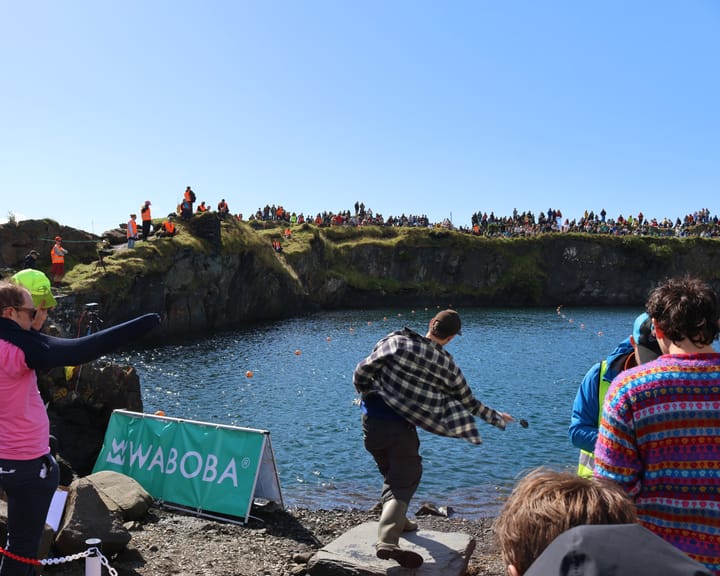
Stone Skimming World Championship returns to Scotland post-cheating scandal with new 'toss master' and focus on mind games
Easdale Hosts World Stone Skimming Championship Amid Fierce Wind and Tough Conditions
As he waited for the ferry, 2025 men’s champion Jonny Jennings clutched the trophy and asked a passerby: “Want to touch it?” The 38-year-old had travelled from Kentucky to Easdale island off Scotland’s west
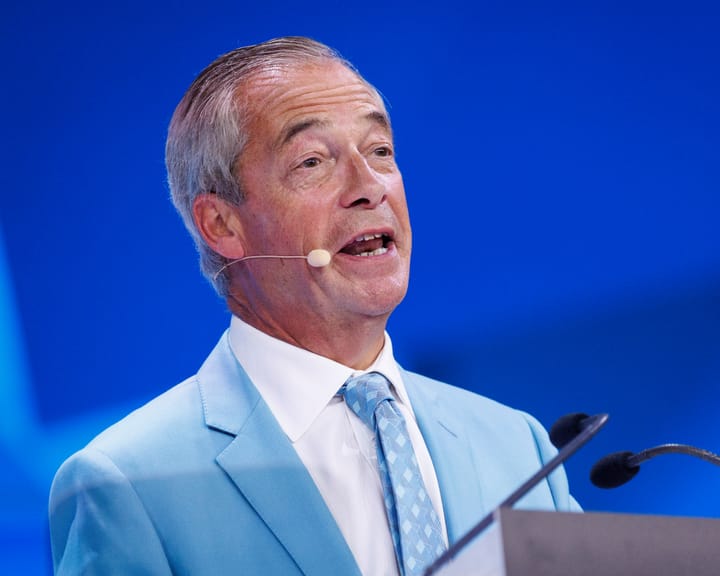
Farage acknowledges overseas donation scandal appears concerning, insists Reform UK did not break any laws
Nigel Farage has acknowledged that the overseas donation controversy surrounding Reform UK “looks bad” for his party, but he denied that the party had ever accepted foreign money in breach of electoral law.
When asked by BBC presenter Laura Kuenssberg to categorically deny that foreign funds had been channelled to