

Portugal Mourns After Funicular Accident in Lisbon Claims 15 Lives
Portugal is grieving after at least 15 people died when a funicular train derailed and crashed on the streets of Lisbon. Witnesses reported to local media that the vehicle seemed to lose control as it raced downhill around 6 p.m. during Wednesday’s rush hour.
The yellow-and-white train, known as the Elevador da Glória, is one of Lisbon’s most well-known transport systems, operating since the 19th century. Several foreign nationals were among the victims, though authorities have not yet confirmed their identities or nationalities.
First introduced in 1885 and modernized in 1915, the Glória line is one of three funicular routes managed by the city’s public transport operator, Carris.
The system consists of two parallel streetcars connected by steel cables, with one car’s descent pulling the other uphill. Witnesses described seeing one of the streetcars hurtle uncontrollably downhill before colliding with a building at a curve in the track.
Classified as a historic landmark, the Elevador da Glória serves roughly 3 million passengers annually.
The route covers a short but steep 260-meter climb, linking Restauradores Square in central Lisbon to the Bairro Alto district, a lively area famed for its nightlife.
Visitors often wait in lengthy lines for the three-minute trip, which provides panoramic city views and a chance to experience one of Lisbon’s vintage streetcars on its cobblestone paths. Locals also rely on the line daily to traverse the city’s hilly terrain.
Portuguese President Marcelo Rebelo de Sousa expressed his sympathies to the families affected, while Lisbon Mayor Carlos Moedas described the incident as unprecedented. “This is a tragedy unlike anything we’ve experienced,” he said.
Read next

Pete Hegseth's proposal to stream executions aligns US with controversial nations.
If the US defense secretary, Pete Hegseth, proceeds with plans to livestream the execution of a soldier radicalized to extremist Islam, who killed 13 people at a military base in Texas, the US would join a group of lesser powers and rogue actors known for public executions in recent years.
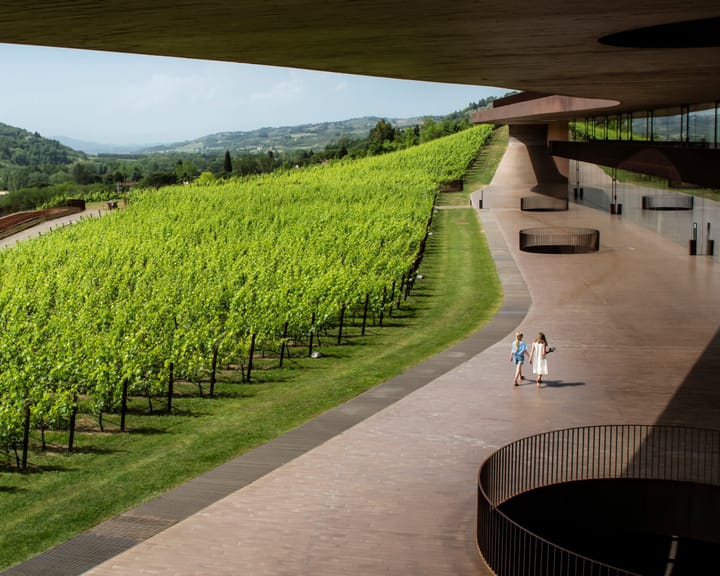
Criminals steal €5m from renowned Italian winery
In a significant theft in Tuscany, thousands of wine bottles valued at €5 million have been stolen from the renowned Marchesi Antinori winery, marking what is considered the largest heist of its kind in Italy. A group of at least seven masked individuals breached the winery's cellar in

Illuminated Theater in Havana – A Photographic Journey
Widespread blackouts have become more frequent in Cuba since the US imposed energy sanctions in January. These outages often last longer than 24 hours as the aging electrical grid struggles to cope. The Impulso theatre group has been forced to adapt, as the power cuts present significant challenges for the