
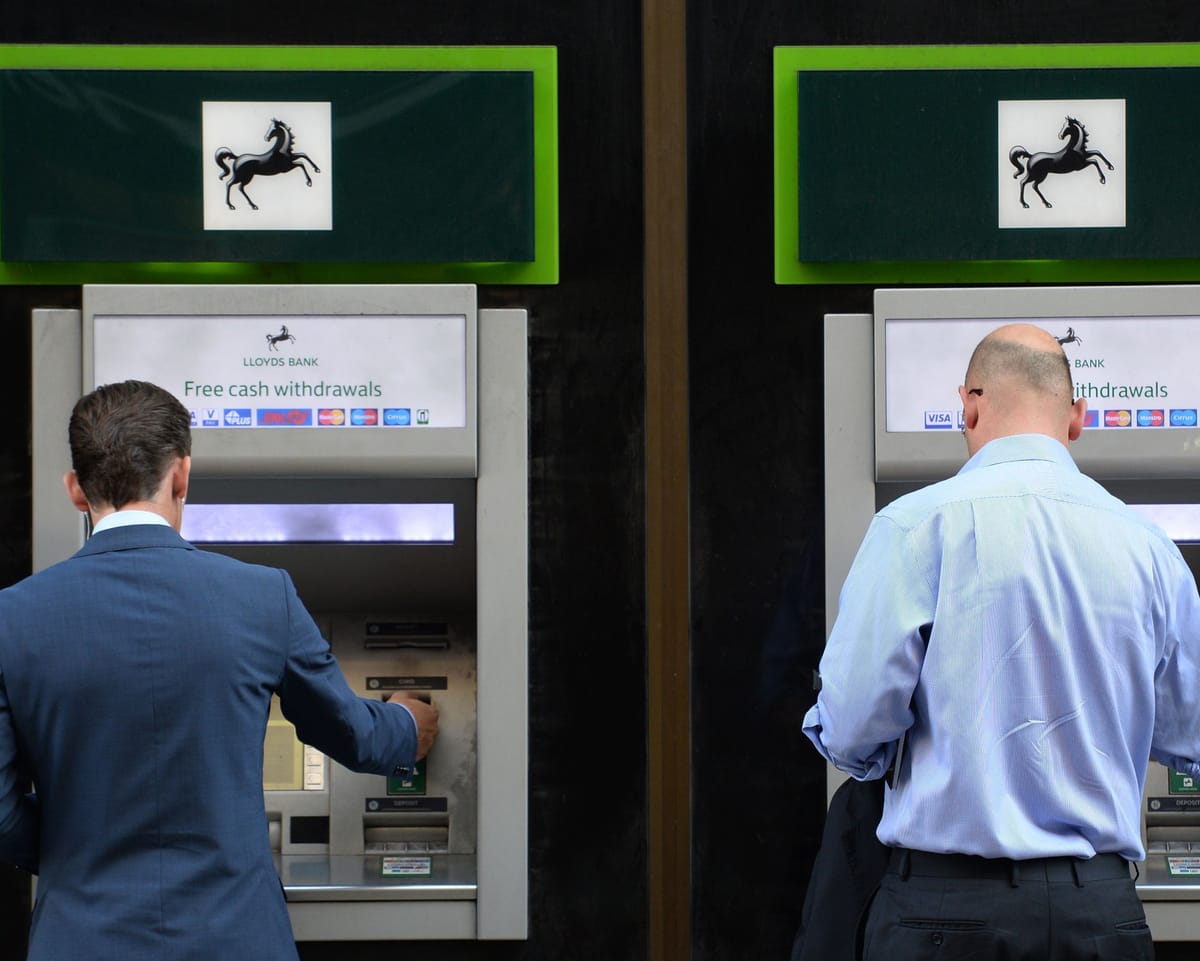
The head of the UK’s biggest mortgage provider has cautioned Rachel Reeves that imposing higher taxes on banks in the upcoming budget could hinder Labour’s strategy for leveraging the financial sector to drive economic growth.
Charlie Nunn, CEO of Lloyds Banking Group, stated that a tax increase on banks “would not align” with the chancellor’s efforts to stimulate economic expansion.
His remarks came as the bank reported a 17% rise in second-quarter profits, amid growing speculation that Reeves might use the budget to introduce additional tax measures.
Nunn told reporters on Thursday that no discussions had taken place with the government about a possible tax hike, acknowledging that the decision ultimately rested with policymakers. However, he warned that targeting financial services with higher taxes would contradict recent regulatory easing and growth-boosting measures announced by the chancellor.
He emphasized Reeves’ previous stance that a “strong financial services sector” was crucial for the UK economy, playing a “key role” in supporting households and businesses.
“We certainly believe this is an important goal, and therefore, a tax increase would not fit within that approach,” Nunn said.
He added that the UK already imposes some of the highest financial sector taxes among major economies, with banks facing a 25% corporate tax rate, a 3% additional surcharge, and a levy on balance sheet assets.
Earlier this year, the government reduced the bank levy from 8%, a move criticized by some lawmakers as overly generous. Analysts recently suggested Reeves might reverse this decision, potentially raising £1.5 billion.
Financial services are among the eight key sectors prioritized in Labour’s economic strategy, though industry representatives have cautioned that further support is needed to maintain competitiveness post-Brexit.
Data from industry groups indicates UK banks pay an effective tax rate of around 45.8%, compared to 38.6% in Frankfurt and 27.9% in New York.
“As Lloyds Banking Group, we’re proud to be among the largest taxpayers in the UK,” Nunn said. “While we support fair taxation, it’s essential to ensure the financial sector remains competitive.”
A potential tax increase could also strain banks already facing potential compensation costs, such as those linked to the car finance scandal. Lloyds has allocated £1.2 billion for possible settlements, with a court ruling expected soon.
The bank also provided updates on its financial performance.
Read next
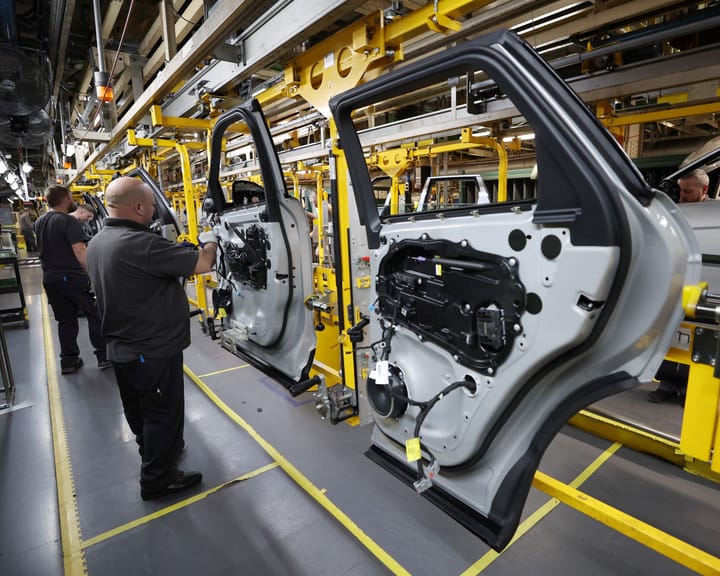
Jaguar Land Rover suppliers voice ‘everything is against us’ amid cutbacks
David Roberts, chair of Coventry-based Evtec, says the outlook for Britain’s automotive sector is grim, with “everything against us.” Evtec is a tier 1 supplier to Jaguar Land Rover, which this week announced 4,000 job cuts over two years despite chancellor John Healey’s attempt to talk

Europe’s fighter jet plans in disarray: what comes next?
When former ECB president and Italian PM Mario Draghi urged Europe to catch up economically with the US and China, defence collaboration was prescribed. No more should each nation build independent boats, tanks or jets; allies should share costs and technologies.
Europe stumbled at the first hurdle. German Chancellor Friedrich
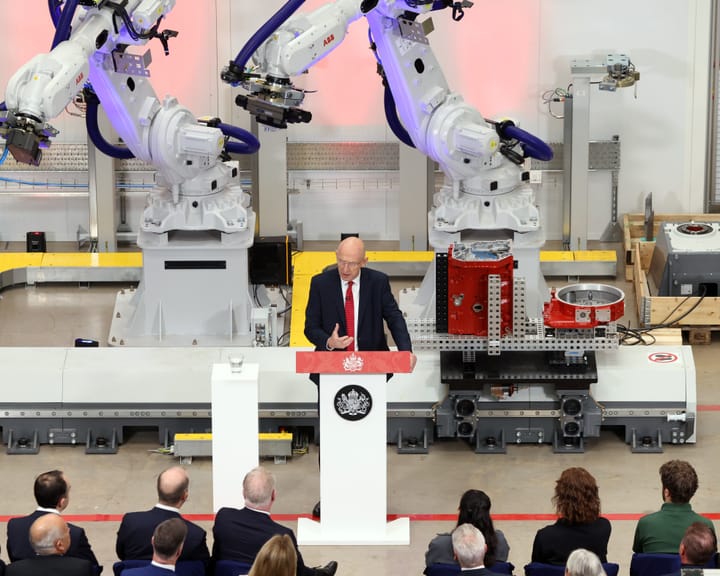
John Healey supports growth but insists Labour must be truthful about spending
John Healey has stated that his primary goal as chancellor will be to boost economic growth, while acknowledging that Labour must be straightforward about controlling public spending at next month's budget.
In his first major address since assuming the role in July, Healey said the leading focus of