
Nigel Farage was pleased with his fortunes. Another clear, sunny day. The sea was calm. What better way to spend his time than to head out on the water and record himself for social media? This was the world as he saw it—a small inflatable boat filled with unauthorized migrants, accompanied first by French naval forces, then by UK border officials.
Farage wouldn’t have had it any other way. Each successful crossing fueled his grievances and bolstered his support. He would have been disappointed if French authorities had taken stronger action to prevent the crossings. It would have left him searching for a cause. But for Keir Starmer, who was in the middle of negotiating a migration agreement with Emmanuel Macron, the sight of another arriving boat was far from ideal.
When an international news conference is delayed, it usually means one thing: one side is dissatisfied with the terms and is pushing for a better outcome. Pleading, bargaining—anything to secure a result worth announcing. Otherwise, the entire affair feels like a letdown. After all the effort, the formalities, the state dinners, the privilege of addressing parliament—what would it all mean without something substantial to show for it?
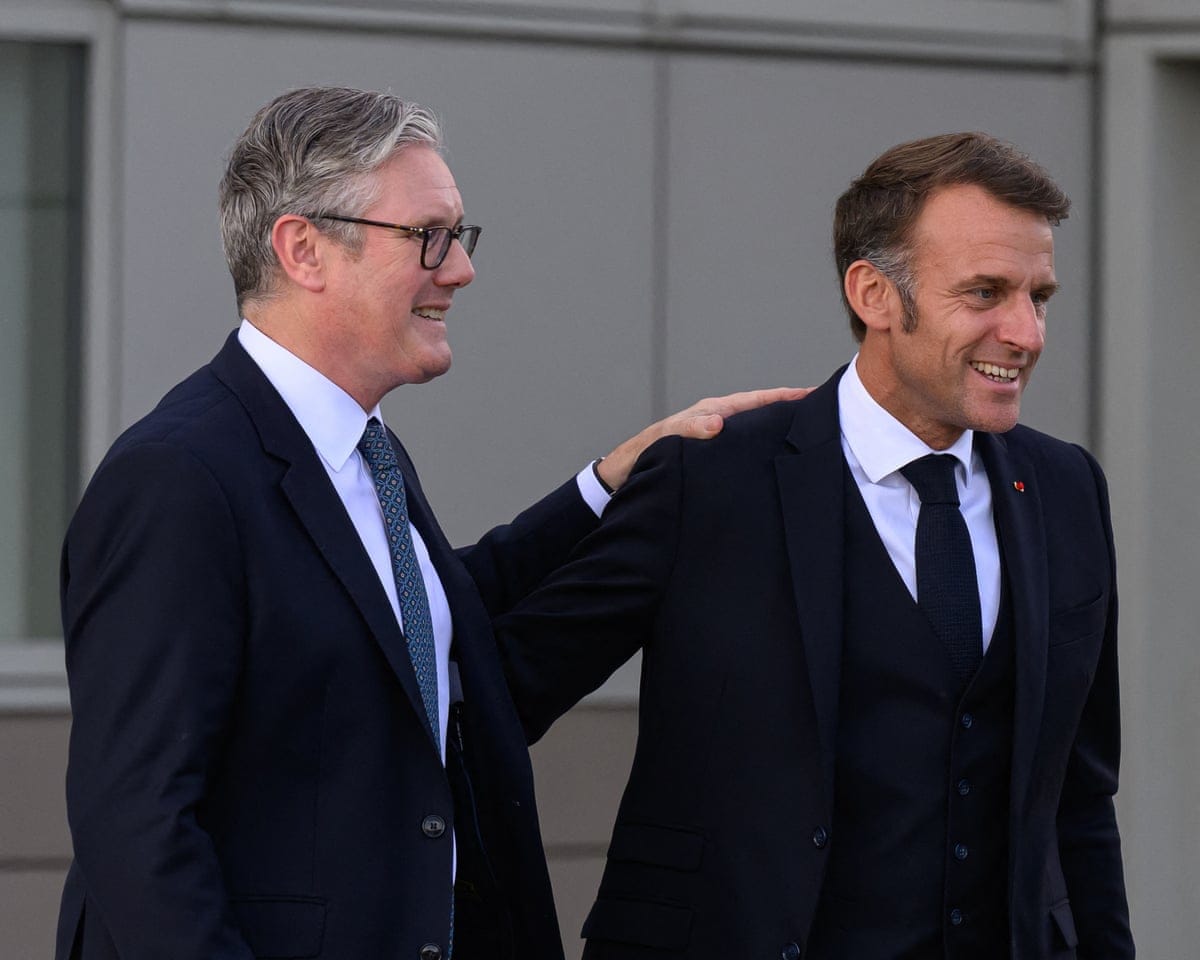
The event at the Northwood headquarters, marking the conclusion of the Anglo-French summit and Macron’s three-day state visit, was initially set for 3:30 p.m. That time passed with no appearance from either leader. Then came word that it would start at 4:00 p.m.—they would surely be ready by then. More time slipped away. One could almost imagine Starmer saying, "Come on, Emmanuel, I need more than this."
The next deadline, 4:20 p.m., also came and went. Finally, at 4:30 p.m.—an hour late—both men emerged. Presumably, Macron had made it clear that no better deal was possible. Starmer would have to accept the terms already leaked by the French the night before. And if he didn’t proceed with the press conference now, he would be facing the cameras alone—Macron had a flight to catch.
Starmer spoke first, attempting a cheerful demeanor. He insisted the visit had been a triumph, regardless of agreements on minor issues. The essence, he said, was in the camaraderie between two global leaders—Europe's only nuclear-armed allies and close friends. On that front, everything had gone perfectly. He lamented Macron’s departure, wishing the visit could have lasted longer. Macron nodded modestly.
Then Starmer turned to specifics. He began with the migration deal, describing a groundbreaking pilot program of unprecedented scope—though he avoided mentioning exact figures.
Read next
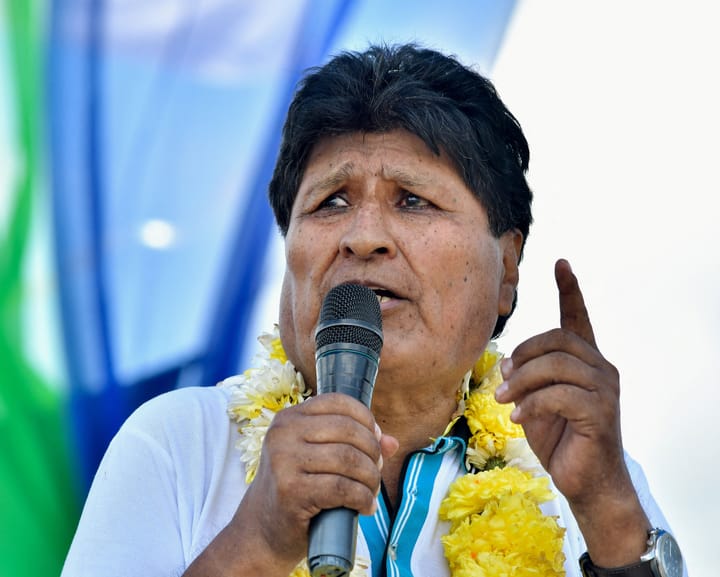
Bolivia Probes Ex-President Evo Morales for Suspected Involvement in 2009 Killings
The Bolivian attorney general has initiated an investigation into former leftist president Evo Morales, citing allegations of his involvement in the murder and torture of European nationals in 2009.
In 2009, police conducted a raid on a Santa Cruz hotel, resulting in the deaths of Eduardo Rózsa Flores, a Bolivian-
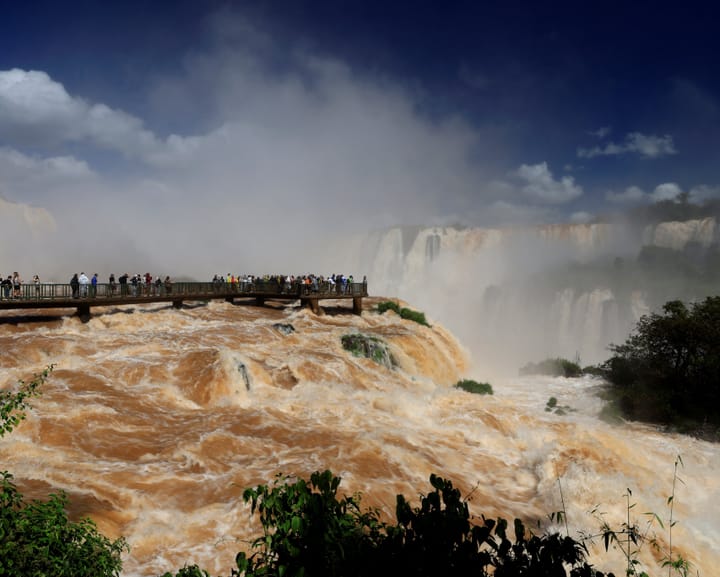
Argentina Closes Iguazu Falls Temporarily Due to El Niño-Induced Water Surge
Heavy rainfall driven by a potent El Niño weather pattern temporarily led Argentinian authorities to close tourist access to the renowned Iguazu Falls. The closure occurred due to concerns that rising water levels might cause the river to overflow its banks.
On Monday, national park officials implemented this precautionary measure
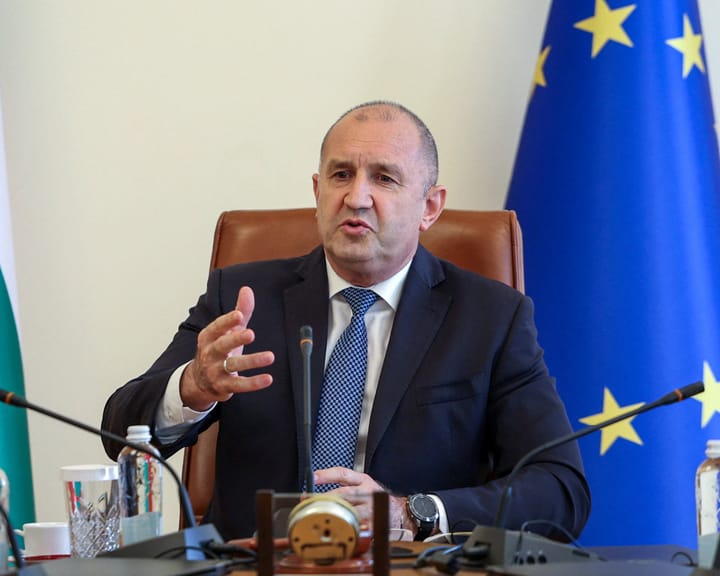
Mysterious Drones Strike Two Vessels Near Bulgarian Coast – Europe Live
Morning Update: Two Ships Targeted by Drones Off Bulgarian Coast
This morning, two ships in the Black Sea near Bulgaria were struck by drones of unknown origin. The attack led to the sinking of one vessel and initiated emergency rescue operations, as reported by Bulgarian Prime Minister Rumen Radev. Rescue