
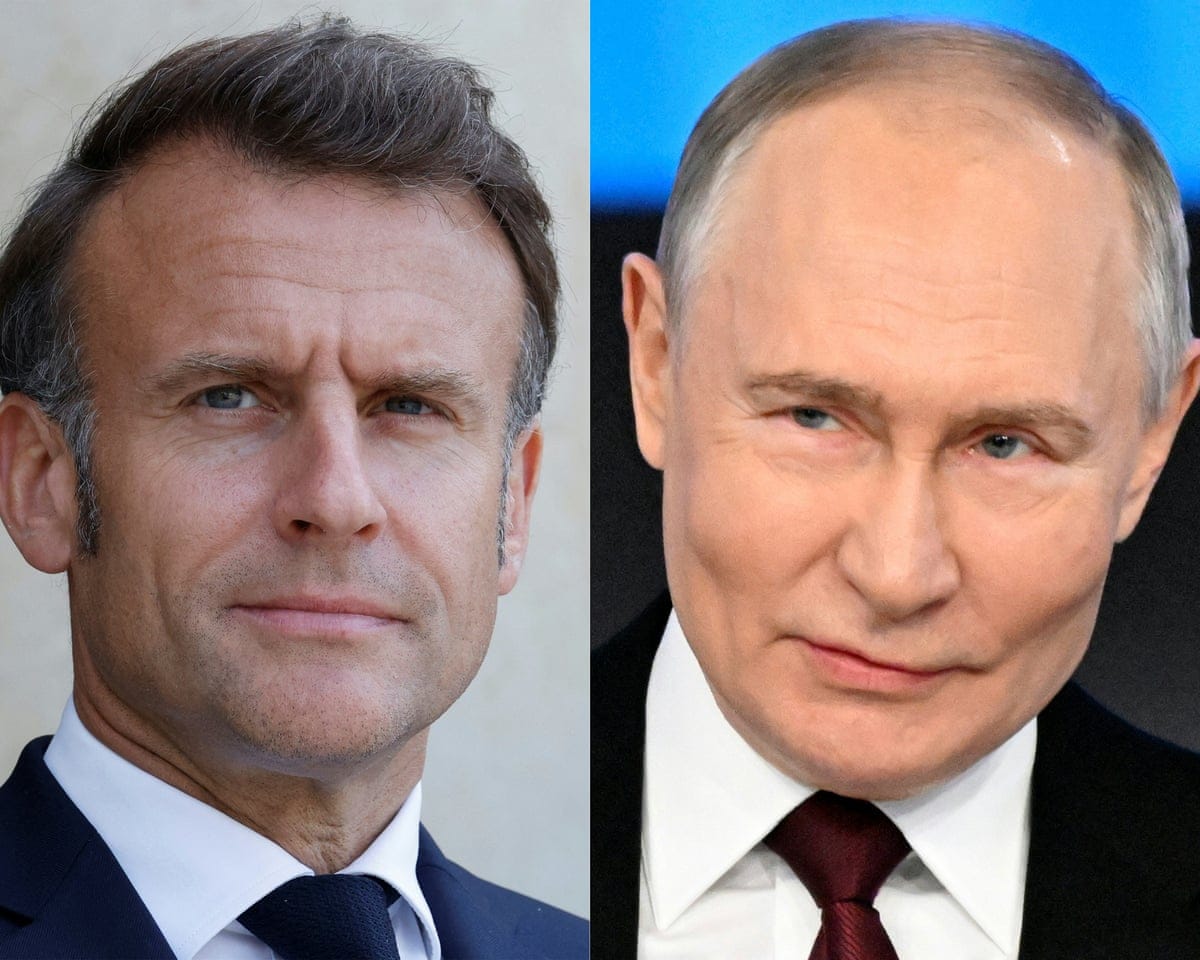
French President Emmanuel Macron spoke with Russian leader Vladimir Putin for the first time in three years on Tuesday, aiming to ease tensions in the Iran crisis. Macron had avoided direct contact with Putin since Russia's invasion of Ukraine in 2022, but concerns have grown that the lack of communication between Western powers and Moscow is complicating multiple global issues, including efforts to manage Iran's nuclear program.
Following their two-hour conversation, a French official stated that Macron was optimistic about Russia's potential influence in encouraging Tehran to resume cooperation with the International Atomic Energy Agency (IAEA). France also expressed openness to discussing Iran's insistence on its right to enrich uranium within its borders.
Iran has justified its withdrawal from IAEA cooperation by criticizing the agency's failure to denounce alleged Israeli attacks on its nuclear facilities, calling them a breach of the nuclear non-proliferation treaty.
Germany described Iran’s decision to suspend IAEA collaboration as a "damaging move," emphasizing that diplomatic solutions depend on Iran’s engagement with the agency. Berlin confirmed it had prior knowledge of Macron’s call with Putin.
In an interview with *Le Monde*, French Foreign Minister Jean-Noël Barrot urged Iran to work with the IAEA, though he also criticized Israel’s strikes, stating they violated international law. While acknowledging that these strikes may have delayed Iran’s nuclear progress, Barrot stressed that only negotiations could prevent long-term risks.
He added that France supports renewed U.S.-Iran talks but insisted Europe’s security concerns must be considered, particularly given Iran’s missile capabilities. Barrot reaffirmed France’s stance that Iran must never obtain nuclear weapons, leaving room for discussion on domestic uranium enrichment, as permitted under the 2015 nuclear agreement.
The Kremlin’s summary of the Macron-Putin call highlighted the importance of Iran’s lawful right to peaceful nuclear technology while fulfilling its non-proliferation obligations. Both leaders reportedly agreed on resolving the Iran crisis and other regional disputes through diplomatic means, pledging further coordination if needed.
Iran has increasingly restricted IAEA access, making it more difficult to verify compliance with nuclear safeguards.
Read next
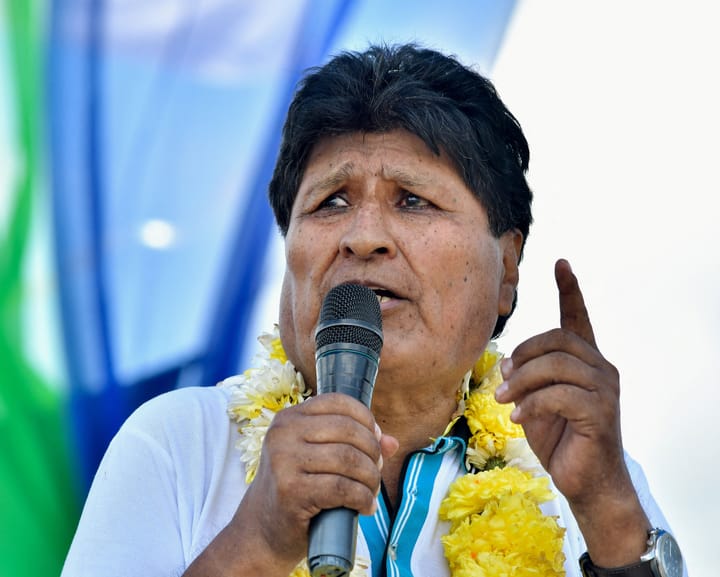
Bolivia Probes Ex-President Evo Morales for Suspected Involvement in 2009 Killings
The Bolivian attorney general has initiated an investigation into former leftist president Evo Morales, citing allegations of his involvement in the murder and torture of European nationals in 2009.
In 2009, police conducted a raid on a Santa Cruz hotel, resulting in the deaths of Eduardo Rózsa Flores, a Bolivian-
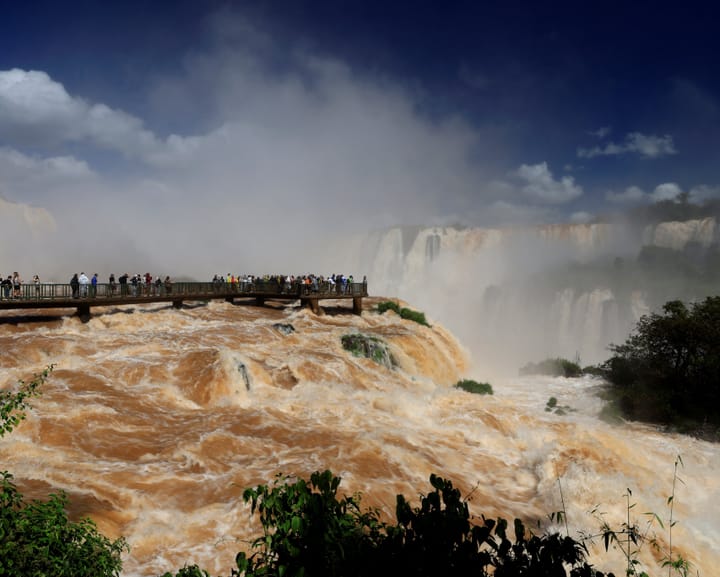
Argentina Closes Iguazu Falls Temporarily Due to El Niño-Induced Water Surge
Heavy rainfall driven by a potent El Niño weather pattern temporarily led Argentinian authorities to close tourist access to the renowned Iguazu Falls. The closure occurred due to concerns that rising water levels might cause the river to overflow its banks.
On Monday, national park officials implemented this precautionary measure
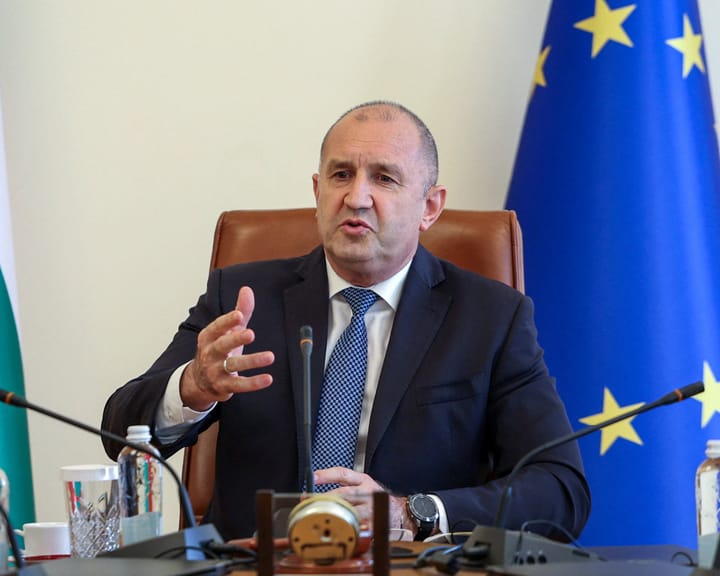
Mysterious Drones Strike Two Vessels Near Bulgarian Coast – Europe Live
Morning Update: Two Ships Targeted by Drones Off Bulgarian Coast
This morning, two ships in the Black Sea near Bulgaria were struck by drones of unknown origin. The attack led to the sinking of one vessel and initiated emergency rescue operations, as reported by Bulgarian Prime Minister Rumen Radev. Rescue