
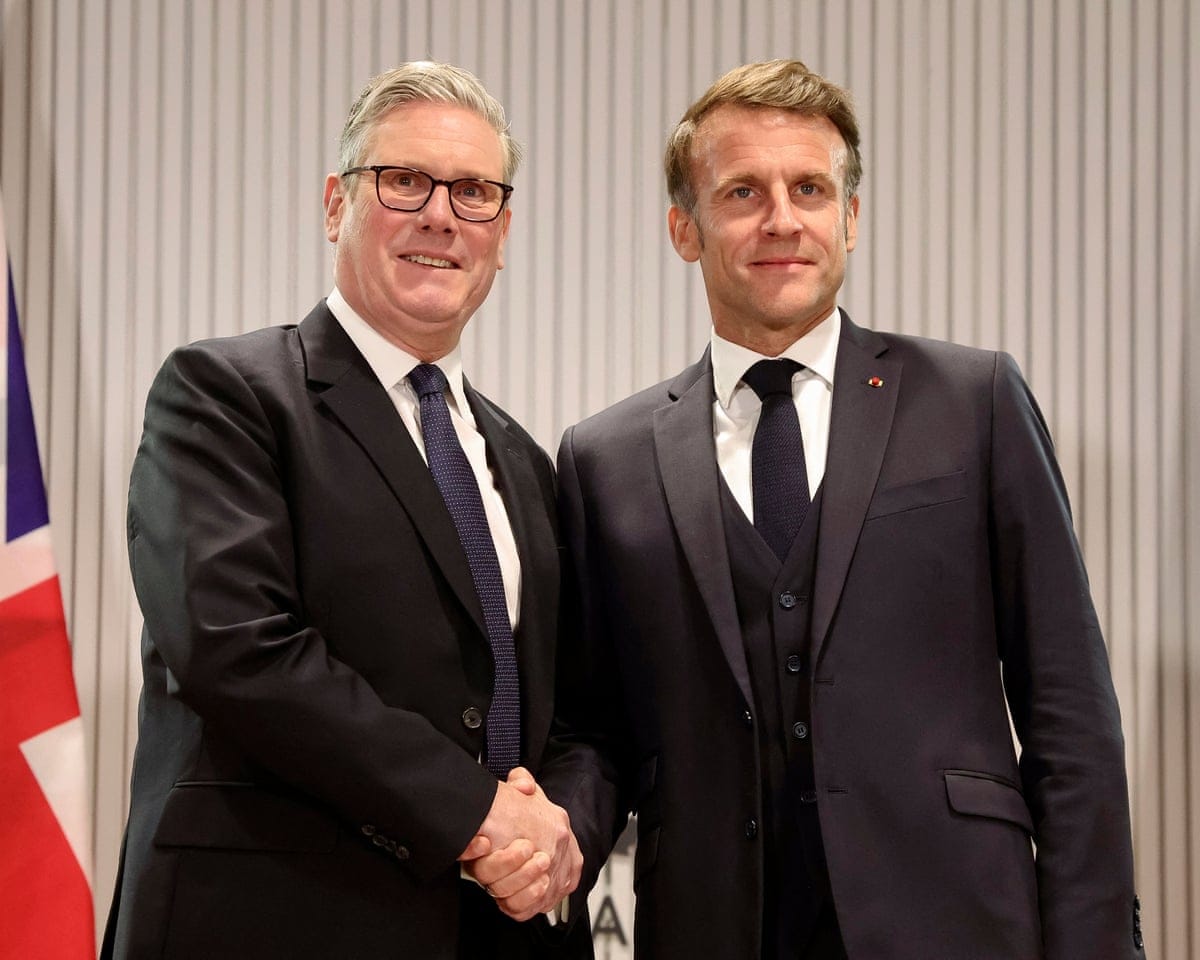
When Emmanuel Macron arrives at Windsor Castle in a horse-drawn carriage this week, it will mark a significant moment in the restored political cooperation between France and Britain, moving past the tensions of the Brexit era.
Macron’s office emphasized the "shared priorities" of both nations, calling their international partnership "critical." A British official described the renewed cross-Channel ties as "essential."
For France, Macron’s visit holds symbolic weight as the first European leader to receive a formal state visit to Britain since Brexit. The invitation highlights the unique relationship between the two nations, with Macron taking precedence over former U.S. President Donald Trump, who is expected to visit later this year.
The strengthened Franco-British alliance is considered crucial amid ongoing conflicts in Ukraine and the Middle East, as well as the unpredictable nature of U.S. leadership. Though Brexit did not disrupt their security and defense collaboration, both countries aim to reinforce those ties during this week’s bilateral summit, where they lead international efforts on Ukraine.
Macron’s visit also illustrates how the UK, under Labour leader Keir Starmer, has moved beyond the strained relations of recent years. Former Prime Minister Boris Johnson, known for mocking France in public remarks, was viewed by French officials as fueling anti-French sentiment to divert attention from Brexit’s fallout. Trust further eroded during disputes over submarine deals and fishing rights. Even Liz Truss, briefly in office, avoided clarifying whether she considered Macron a friend or enemy.
Relations improved under Rishi Sunak, aided by King Charles’s 2023 visit to France, which included a dinner at Versailles where the king recalled Édith Piaf performing for his mother while she was pregnant with him.
Macron and Starmer now meet frequently, with multiple visits between them as they coordinate on Ukraine.
"The global situation has evolved, making cooperation necessary," said Sébastien Maillard, an adviser at the Jacques Delors Institute. "As permanent UN Security Council members with nuclear capabilities and similar diplomatic influence, both nations seek stability through international law."
Read next
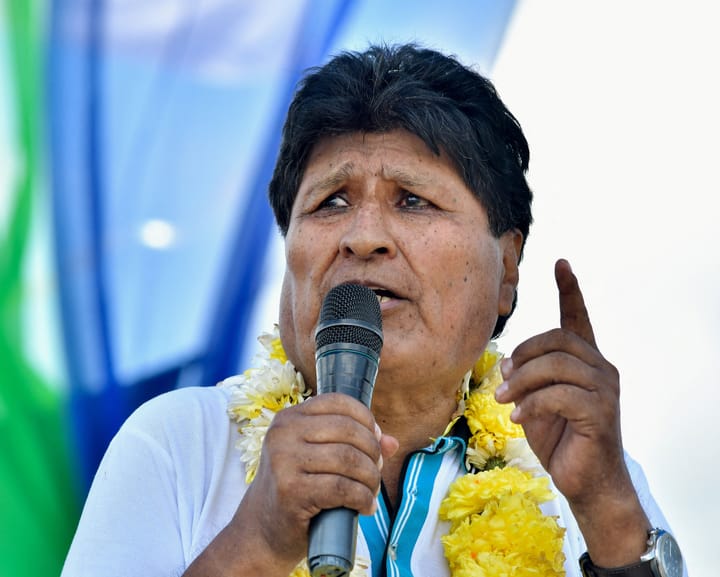
Bolivia Probes Ex-President Evo Morales for Suspected Involvement in 2009 Killings
The Bolivian attorney general has initiated an investigation into former leftist president Evo Morales, citing allegations of his involvement in the murder and torture of European nationals in 2009.
In 2009, police conducted a raid on a Santa Cruz hotel, resulting in the deaths of Eduardo Rózsa Flores, a Bolivian-
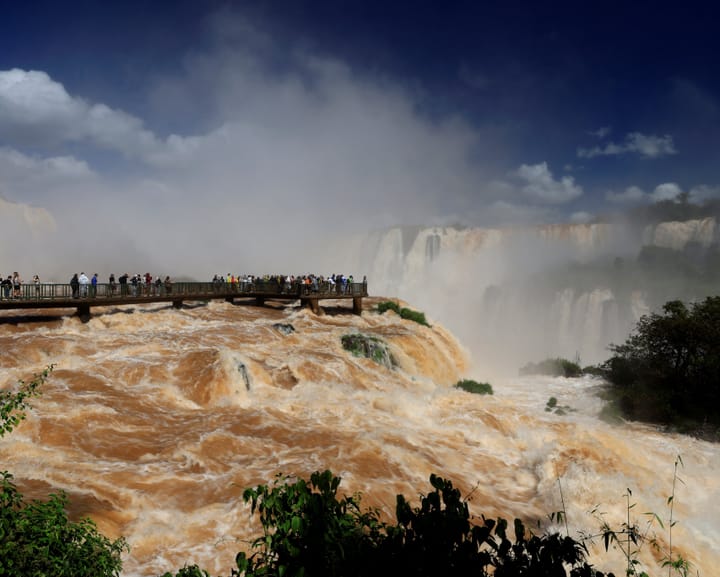
Argentina Closes Iguazu Falls Temporarily Due to El Niño-Induced Water Surge
Heavy rainfall driven by a potent El Niño weather pattern temporarily led Argentinian authorities to close tourist access to the renowned Iguazu Falls. The closure occurred due to concerns that rising water levels might cause the river to overflow its banks.
On Monday, national park officials implemented this precautionary measure
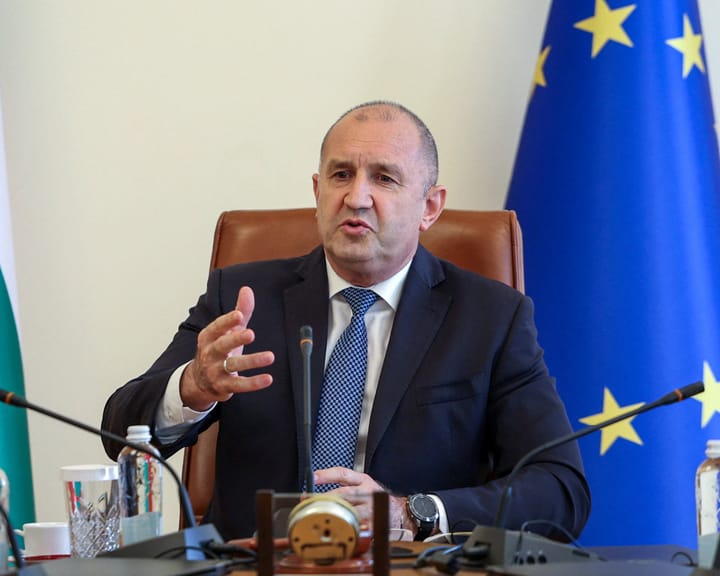
Mysterious Drones Strike Two Vessels Near Bulgarian Coast – Europe Live
Morning Update: Two Ships Targeted by Drones Off Bulgarian Coast
This morning, two ships in the Black Sea near Bulgaria were struck by drones of unknown origin. The attack led to the sinking of one vessel and initiated emergency rescue operations, as reported by Bulgarian Prime Minister Rumen Radev. Rescue