
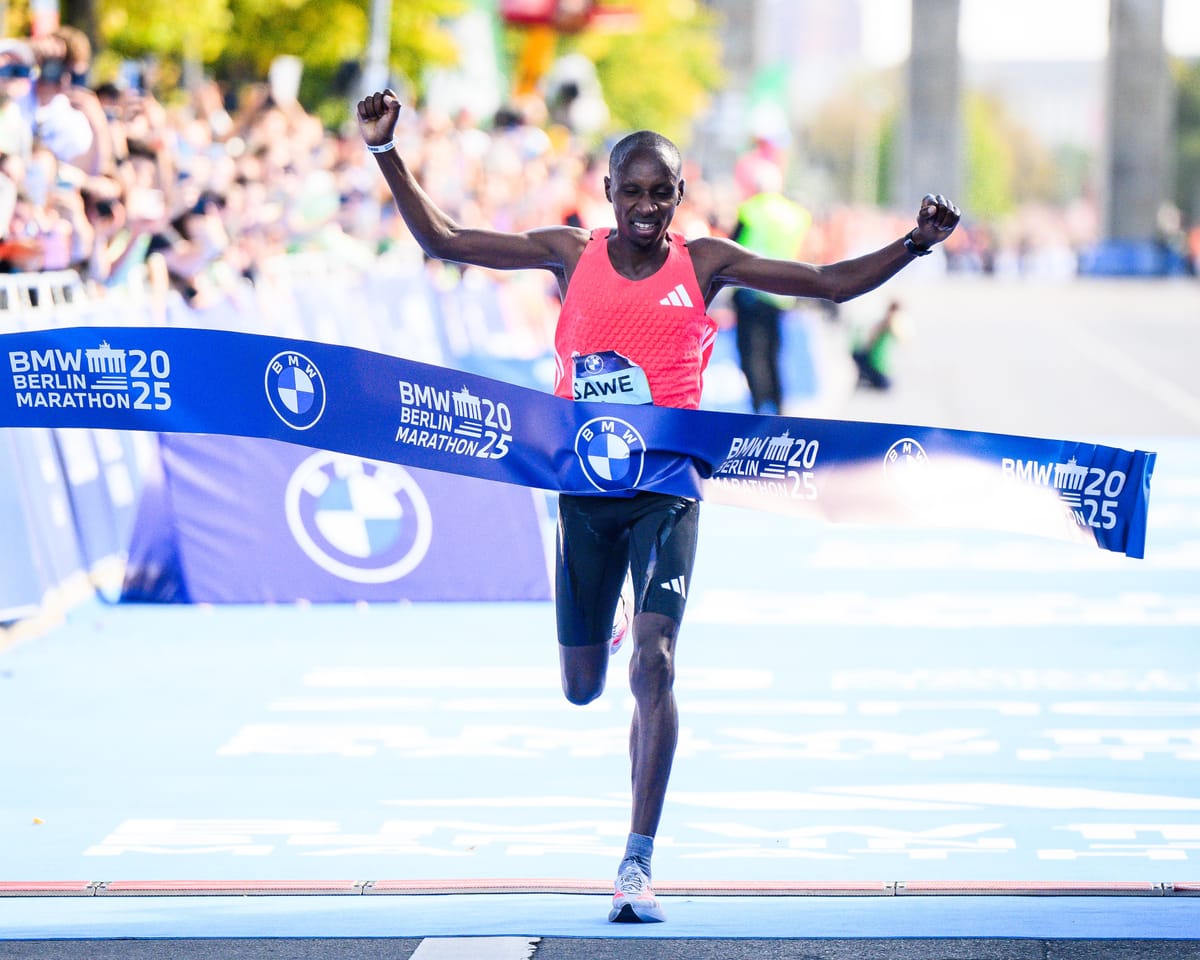
Kenyan Runner Calls for Rigorous Doping Scrutiny Amid National Crisis
When elite marathon athlete Sabastian Sawe recently declared doping “a cancer,” his conviction carried uncommon weight. Not only did he affirm his own integrity, but he also proactively requested intensified testing by the Athletics Integrity Unit (AIU) ahead of Berlin’s marathon in September.
Sawe, who claimed victory in April’s London Marathon, understood Kenya’s tarnished reputation for doping violations meant any record-breaking performance would invite skepticism. To preempt doubt, he urged the AIU to subject him to exhaustive testing. “My aim was to prove I compete fairly,” Sawe explained. “Kenyans face scrutiny due to past cases.” In the lead-up to Berlin, he underwent 25 blood and urine tests—sometimes twice daily.
Though unfavorable weather derailed his world-record ambitions, Sawe’s stance underscores Kenya’s deepening struggle with doping. The issue has become so pervasive that when Sheila Chelangat, an Olympian, received a six-year ban for EPO use last week, the news drew little attention.
Data paints a grim picture: Since 2017, the AIU penalized 427 elite athletes for doping infractions, with 145 (over one-third) hailing from Kenya—far exceeding Russia’s 75 cases, Ethiopia’s 20, and India’s 20. This disproportionate trend has fueled demands for Kenya’s athletic suspension, echoing Russia’s ban over state-sponsored doping.
Yet experts argue Kenya’s situation differs. Unlike Russia, no evidence links its government to systemic doping. Moreover, progress is underway. Brett Clothier, AIU’s chief executive, acknowledges Kenya’s “serious problem” but notes improvements compared to six years ago, when oversight was lax. “Kenya’s testing system is now among the world’s most efficient,” Clothier stated. “Intelligence can trigger a test anywhere in the country within hours—a capacity unmatched elsewhere.”
The AIU prioritizes elite marathon runners, a field dominated by Kenyans, for out-of-competition testing—focusing on top-ranked athletes likely to medal due to budget constraints. While challenges persist, Clothier emphasizes collaboration with Kenya’s anti-doping bodies to expand oversight.
Read next
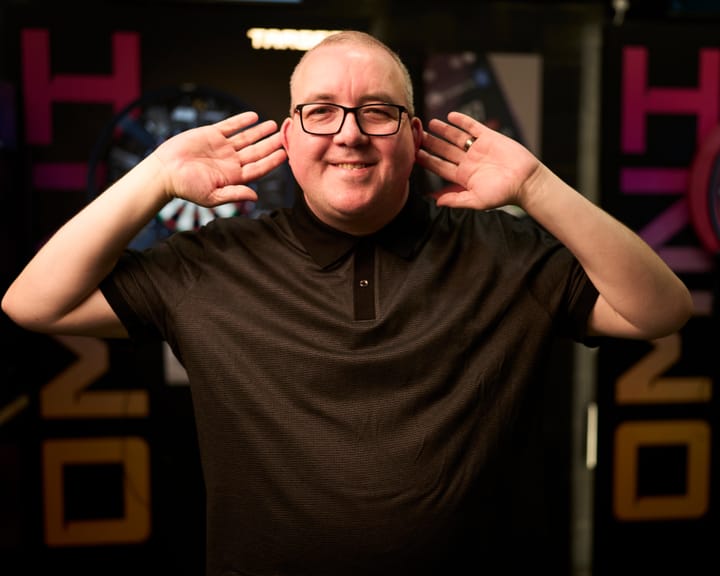
Stephen Bunting calls death threats and social media abuse ‘very hurtful’ as he addresses Luke Littler’s rise
Definitely," Stephen Bunting says, reflecting on whether the relentless effort required as a darts player on social media feels like a deal with the devil. Following Luke Littler, the prodigious teenage world champion, Bunting is darts' most heavily marketed figure. Yet over the past year, his success on
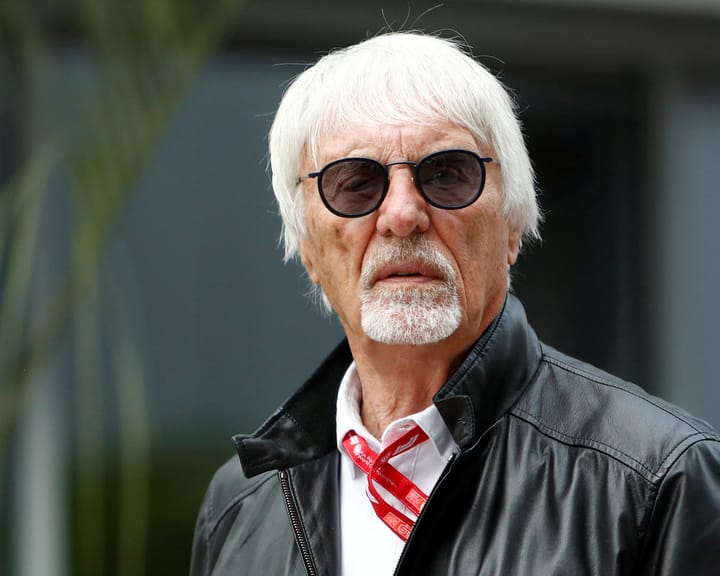
Bernie Ecclestone questioned after shotgun discovered on his private jet in Portugal
Bernie Ecclestone was detained in Portugal on Monday after customs authorities found an undocumented shotgun in his possession at Tires Aerodrome in Cascais. The incident was confirmed by CuriosityNews, which independently verified the matter with authorities.
The 95-year-old former Formula One chief’s private jet had just landed
49ers preseason: fake wide receivers and undercover stings make it the wildest ever?
The Los Angeles Rams and San Francisco 49ers have arrived in Australia for this week's NFL season opener in Melbourne. While the flight duration from California to Victoria is approximately 16 hours for both squads, their paths to the season's beginning have been starkly contrasting.
The