
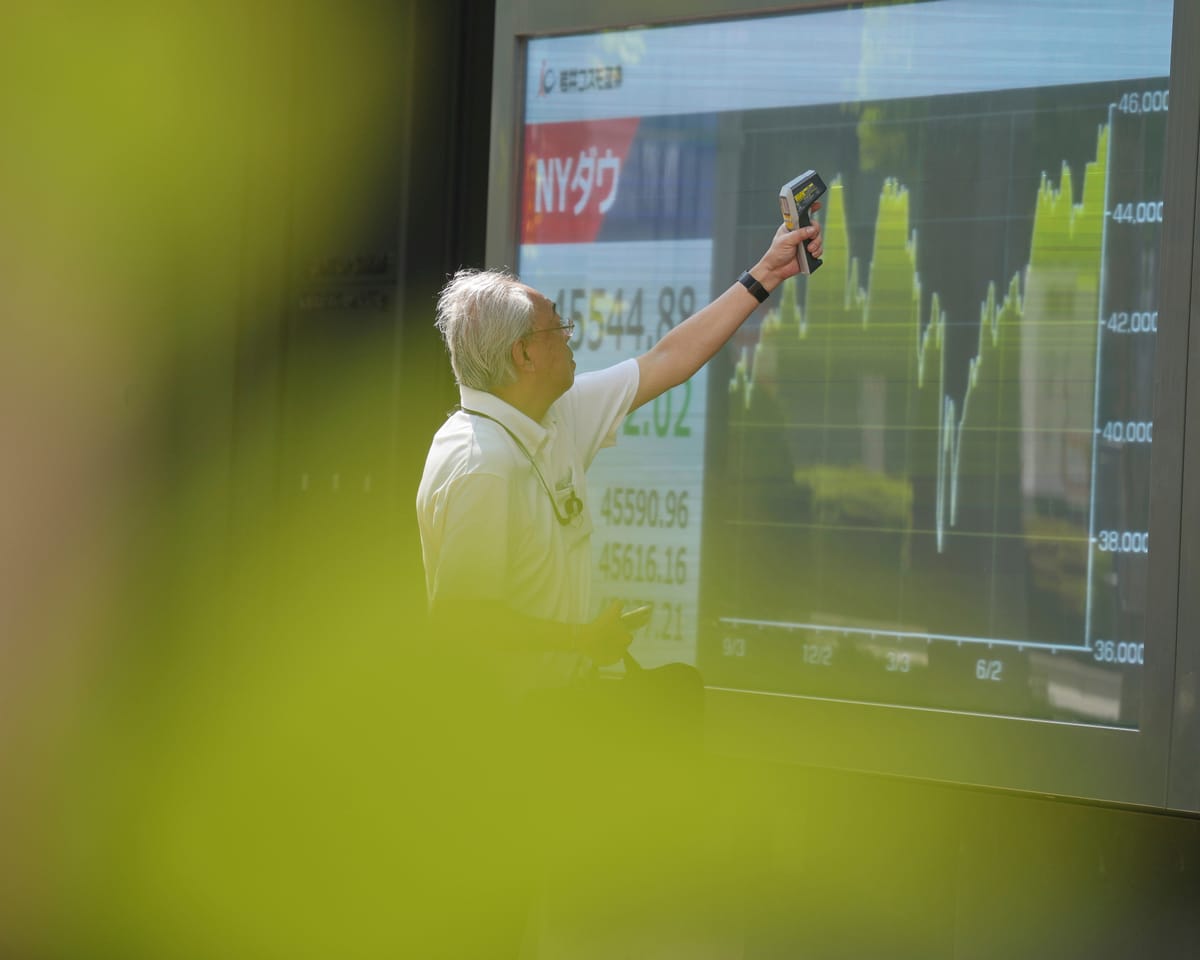
Japan’s Debt Auction Eases Market Tensions
Signs of stability are emerging in global bond markets following a turbulent sell-off earlier in the week that pushed government borrowing costs to multiyear highs.
Today, Japan’s sale of 30-year government bonds concluded without major disruptions, providing support for domestic debt prices. Demand for the long-term securities remained steady, with a bid-to-cover ratio of 3.31, only slightly below the 12-month average of 3.38. This helped reduce bond yields, offering some relief after they had climbed to record levels earlier this week.
Hirofumi Suzuki, an analyst at SMBC, noted:
*"After yesterday’s sharp decline in 30-year bonds, a rebound began during morning trading, leading to a smooth auction outcome. However, ongoing political instability in Japan means pressure on yields could continue."*
Concerns over high government debt, resistance to spending reductions, and rising inflation have weighed on long-term bonds.
Meanwhile, yields on UK and US long-term debt retreated slightly after Britain’s 30-year borrowing costs reached their highest level since 1998. The recovery followed weak US job openings data, which fueled expectations of faster interest rate cuts. The report indicated that job vacancies had dropped to 7.18 million in July, lower than the number of job seekers—the first such occurrence in over four years.
Read next
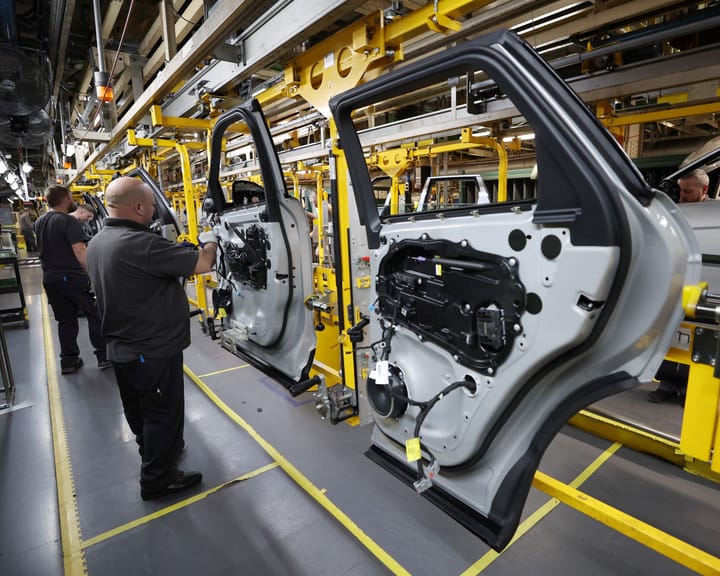
Jaguar Land Rover suppliers voice ‘everything is against us’ amid cutbacks
David Roberts, chair of Coventry-based Evtec, says the outlook for Britain’s automotive sector is grim, with “everything against us.” Evtec is a tier 1 supplier to Jaguar Land Rover, which this week announced 4,000 job cuts over two years despite chancellor John Healey’s attempt to talk

Europe’s fighter jet plans in disarray: what comes next?
When former ECB president and Italian PM Mario Draghi urged Europe to catch up economically with the US and China, defence collaboration was prescribed. No more should each nation build independent boats, tanks or jets; allies should share costs and technologies.
Europe stumbled at the first hurdle. German Chancellor Friedrich
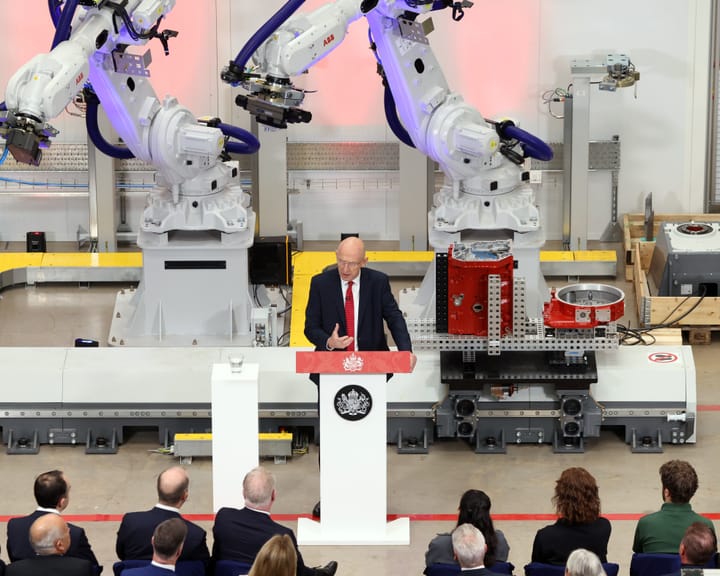
John Healey supports growth but insists Labour must be truthful about spending
John Healey has stated that his primary goal as chancellor will be to boost economic growth, while acknowledging that Labour must be straightforward about controlling public spending at next month's budget.
In his first major address since assuming the role in July, Healey said the leading focus of