
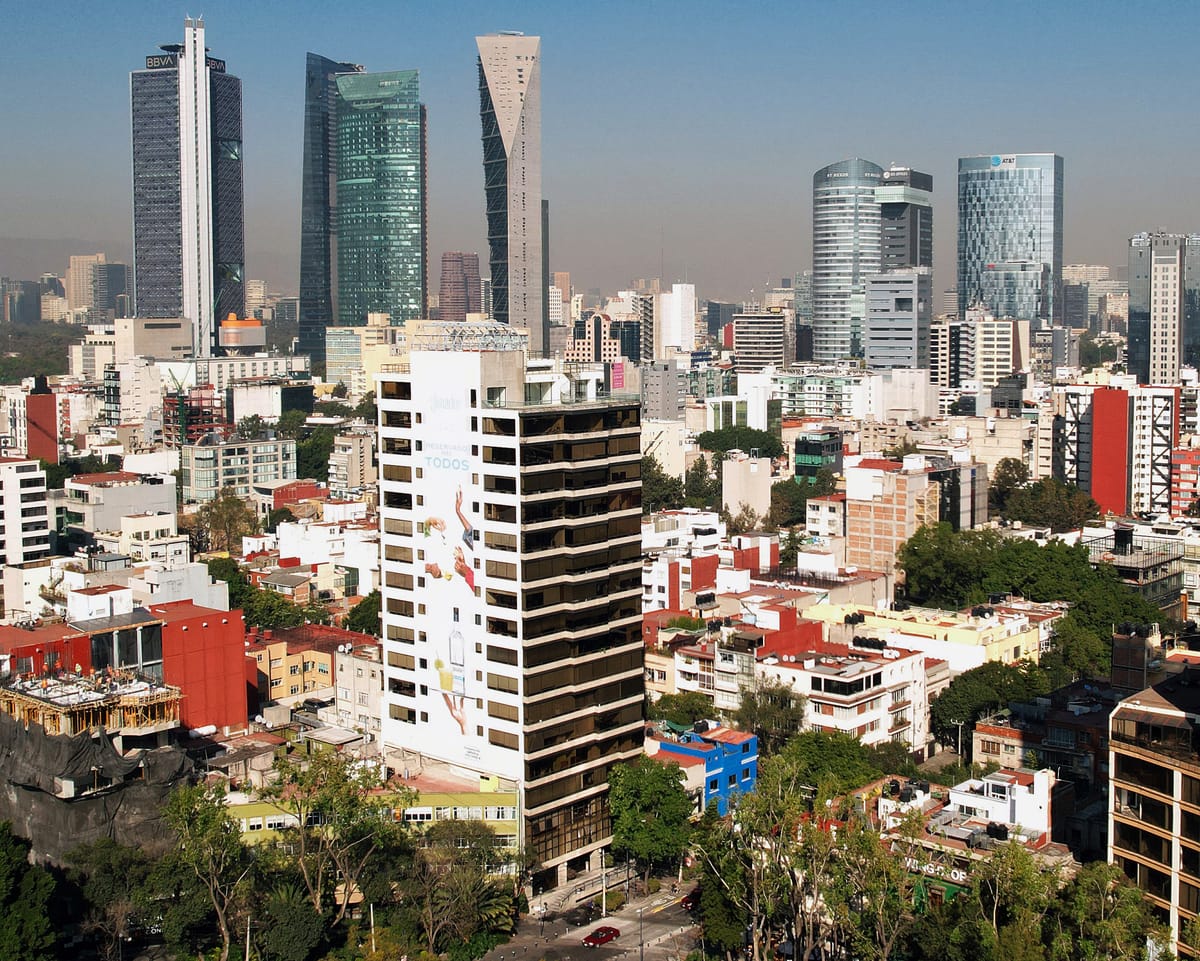
A Mexico City nightclub has sparked online debate after announcing that U.S. patrons must pay a cover charge of nearly $300, while visitors from any other country are charged just $20 and Mexicans or other Latin Americans only $14.
The statement appeared on the Instagram account of Japan, a club in the Roma Norte neighbourhood, and has garnered more than 26,000 likes and over 200 comments, most of them endorsing the policy as part of a wider pushback in the capital against what many view as an American takeover.
“It’s not that ‘we charge gringos more’; it’s that we offer discounts to those who need it,” the club wrote. “The standard cover is 5,000 pesos. Citizens of the United States receive no discount.”
The post continues: nationals of any other country receive a 93 % discount, Mexicans and Latin Americans a 95 % discount, and students and teachers a 97 % discount, meaning they pay only 150 pesos to enter.
Federico Crespo, the club’s owner, said the tiered pricing reflects worsening Mexico‑United States relations under Donald Trump. “This is a reaction to a year of insults aimed at our country by the United States,” he stated, adding that it also responds to the “gentrification and touristification” of the city.
Crespo explained that the move is part of a broader backlash in Mexico City against the perceived influx of Americans and other foreigners into fashionable districts such as Roma and Condesa, which has driven up rents and displaced locals. Last year, demonstrators took to the streets in a march that at times turned violent, with participants in black smashing shop windows and leaving walls covered in graffiti that read, “Get out of Mexico.”
Although Mexico City has long attracted American visitors, numbers rose noticeably during the coronavirus pandemic when many U.S. remote workers, seeking cheaper accommodation, flocked to the capital. The surge of “digital nomads” has fueled a boom in Airbnb listings, pushed rents higher in desirable neighbourhoods and altered the linguistic landscape, with English now heard as frequently as Spanish in some areas.
Similar patterns are observed in other global cities popular with remote workers, including Barcelona, Genoa and Lisbon. Local residents complain that newcomers exploit low living costs, often avoid paying local taxes and weaken community ties.
Crespo noted that the additional revenue from the cover charges is shared among the club’s staff. “It’s a way to give that money to the people most affected by rising rents, the soaring cost of living and the need to commute longer distances to get to work,” he said.
Read next
Tokyo tourist hotspot outlaws short-term rentals amid complaint surge
Shinjuku Ward, Tokyo, has moved to ban short-term rental accommodations in residential areas and near schools and important cultural sites, following a slew of complaints about visitor behaviour. The decision, to be enacted through a local ordinance, marks the latest sign that Japan’s patience with mass tourism is
Canada implements retaliatory US tariffs as trade dispute intensifies
Canada’s retaliatory tariffs on about $20 billion worth of American imports took effect at 12.01am on Tuesday, ranging from 15% to 50% and applying to steel, dairy, appliances, agricultural equipment, pulp and paper, and electronics. The measures, a response to the United States’ 50% tariff on $20 billion

Prosecutor general resigns amid political turmoil in Kyiv during Ukraine war
Ukraine’s prosecutor general Ruslan Kravchenko resigned amid corruption accusations after anti-graft officers searched his offices at the weekend. He called the allegations “completely unsubstantiated” and denied wrongdoing. The National Anti-Corruption Bureau (NABu) and Specialised Anti-Corruption Prosecutor’s Office (Sapo) announced Saturday they uncovered a money-laundering