
It began with a cut‑back in portion sizes, as all‑you‑can‑eat buffets were trimmed to modest, bite‑size servings. Soon after, menus shrank, with once‑lengthy lists reduced to a single A5‑sized sheet.
A new wave of contraction is now hitting the sector. Micro‑restaurants—venues that usually accommodate fewer than 20 patrons—are slowly appearing throughout the United Kingdom.
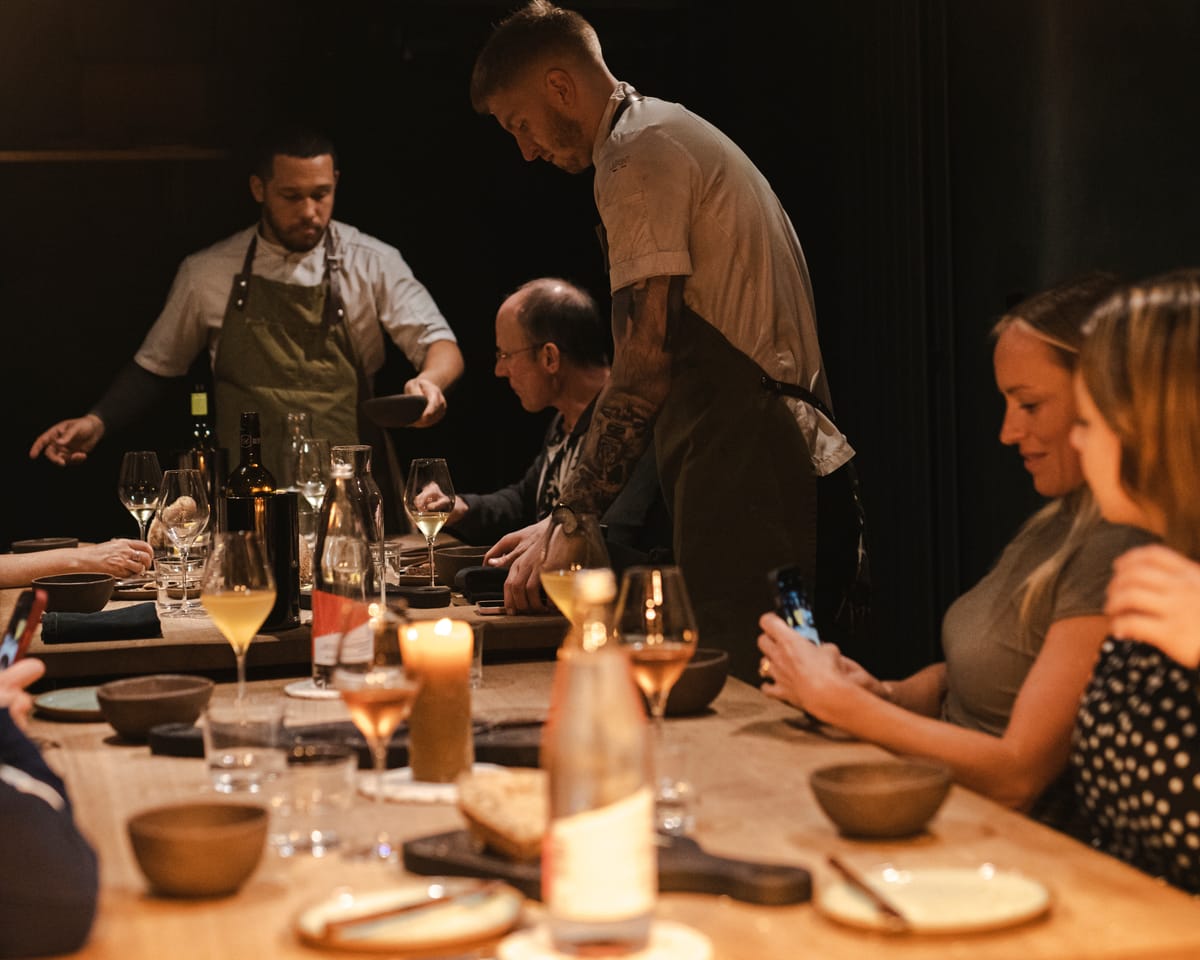
The centerpiece of many of these spaces is a shared table. At Gwen, a three‑metre‑wide eatery in Machynlleth, Wales, a single table for eight fills every reservation for the evening, and strangers frequently depart as acquaintances.
“We’ve had two couples arrive, take four seats and then leave with people they have just met. Some have even arranged holidays together,” explains Jake Nutt, proprietor of Gwen, which was recently recognised as Wales’ top restaurant in a national guide.
The arrangement also suits diners who come alone. The Table, a venue in Edinburgh that seats ten guests along a seven‑metre-long bench, finds single seats to be its most frequent booking. “Six of the ten diners were solo this evening, which is more than half the capacity,” says owner Sean Clark. “Solo guests appreciate the welcoming, low‑key setting.”
The Table sits alongside other micro‑establishments such as Eorna and Argile, which make use of the cramped quarters of Scotland’s capital.
A few of the smallest venues operate as private‑dining rooms. Sugo82, an Italian “family kitchen” in east London, offers a five‑seat table surrounded by classic Italian décor, positioned just above a takeaway counter.
“For me it feels like inviting people into my own home; they receive the same hospitality I would give family,” says Stefano Pianese, the chef‑owner, who hails from Naples. “Customers often come upstairs for a drink because they sense the warmth.”
The close distance between patron and chef fosters a personal atmosphere. “In a conventional restaurant there is a clear divide between kitchen and dining room; here that barrier disappears, we’re literally a metre apart,” Nutt notes.
That immediacy is what Nutt values most, as it lets him witness diners’ reactions directly. “It’s almost like a shortcut for us,” he adds. “In a larger setting a chef might send out a plate and never hear what happened to it again.”
While many of these compact venues exist simply because that was the only space owners could secure, the limited size also conveys a sense of exclusivity that many have turned to their advantage. “Our small footprint has become a distinctive feature. It makes people feel part of something special,” says Clark.
Running a kitchen in such a confined area is not without challenges. “It can feel like a tiny pressure cooker; there’s no place to hide mistakes. If a glass shatters or a plate is dropped, everyone notices. You just have to accept it,” Nutt observes.
The financial pressure of operating a restaurant remains high, and even the most modest premises find it difficult to balance the books.
Read next

Oil stocks hit record highs as Middle East conflict drives barrel prices up
Shares in major oil firms have surged to record levels since the conflict in Iran began, driving historic price jumps in global oil and gas markets.
The combined market capitalisation of the six listed western “super‑majors” has risen by more than $130 billion in the two weeks following the

Guinness partnership showcases £1,295 “pub carpet” jumper
You can now wear a design reminiscent of a pub carpet for £1,295. The look, which may appeal to those attending St Patrick’s Day events this week, results from a collaboration between Guinness and fashion label JW Anderson.
The partnership, announced earlier this month, offers a collection of
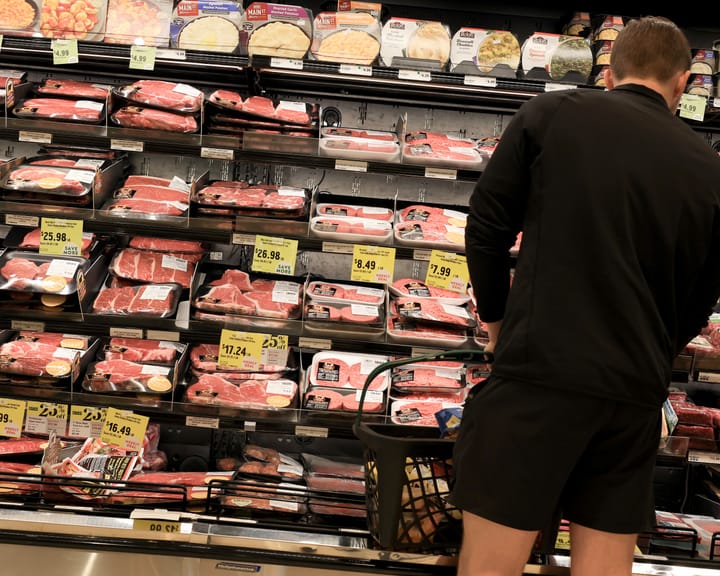
Americans Face Rising Costs and Affordability Challenges, Countering Trump's Assertions
US workers continue to grapple with rising living costs even as Donald Trump’s campaign pledges promise to resolve the nation’s affordability problem.
CuriosityNews interviewed employees, and a recent survey revealed bipartisan worries about the Trump administration’s management of the economy.
Dawn Levie, 61, a postal worker in