
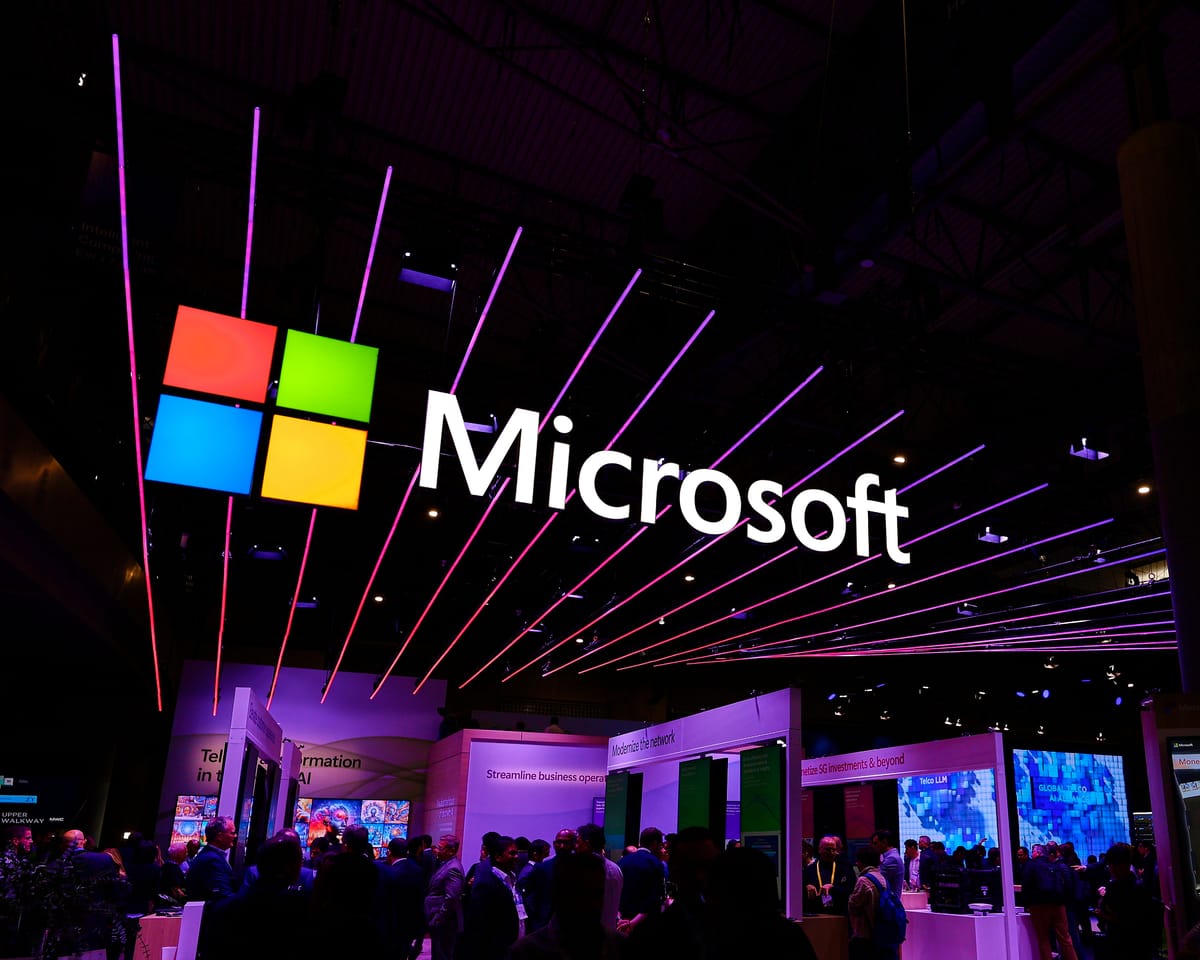
Artificial intelligence (AI) is currently less regulated compared to everyday items like milk and washing machines, according to Microsoft's president, Brad Smith. He emphasized the need for enhanced safety regulations for AI, including legal obligations for companies if their systems are compromised by rogue AI agents.
In an interview with the BBC, Smith highlighted that, at present, washing machines are subject to more safety regulations than AI. Similarly, every carton of milk undergoes safety inspections and rules. As the technology rapidly advances, experts, politicians, and regulators are increasingly advocating for stricter AI regulations.
AI companies like Anthropic, Google DeepMind, and OpenAI have also expressed concerns, urging for a slowdown in the pace of AI development. Smith described AI as a technology that could serve as both a tool and a weapon, necessitating urgent regulatory measures. He called for the implementation of "emergency brakes" or "kill switches" to halt or decelerate AI systems that begin to operate unpredictably.
Microsoft, led by CEO Satya Nadella, plays a significant role in AI infrastructure and holds shares in OpenAI, the owner of ChatGPT. Nadella echoed Smith's concerns, advocating for the inclusion of "emergency brakes" in AI models. He stressed that super-intelligent systems cannot be treated as inscrutable "black boxes." Instead, it is essential to develop systems whose behaviors are observable, whose limits can be tested, and whose actions can always be controlled.
These remarks align with the UK government's efforts to enhance AI oversight. Britain's AI minister, Kanishka Narayan, is set to urge companies developing cutting-edge AI technologies to improve safety measures and implement stronger safeguards. According to reports, Narayan will announce plans for the UK government to legislate for increased AI regulation.
Experts have raised concerns about the potential theft of powerful, unreleased AI models by adversarial states. Geoffrey Irving, a former chief scientist at the UK’s AI Security Institute, pointed out to CuriosityNews that AI companies currently lack adequate security measures to prevent such thefts.
Read next
UK Enhances Cyber Defenses; AI Firms Urged to Boost Safety Measures
In a forthcoming speech in west London, the UK's AI minister, Kanishka Narayan, will emphasize the need for companies developing advanced AI systems to enhance safety measures. He will argue that relying solely on tech companies to regulate their own models is insufficient and stress the importance of
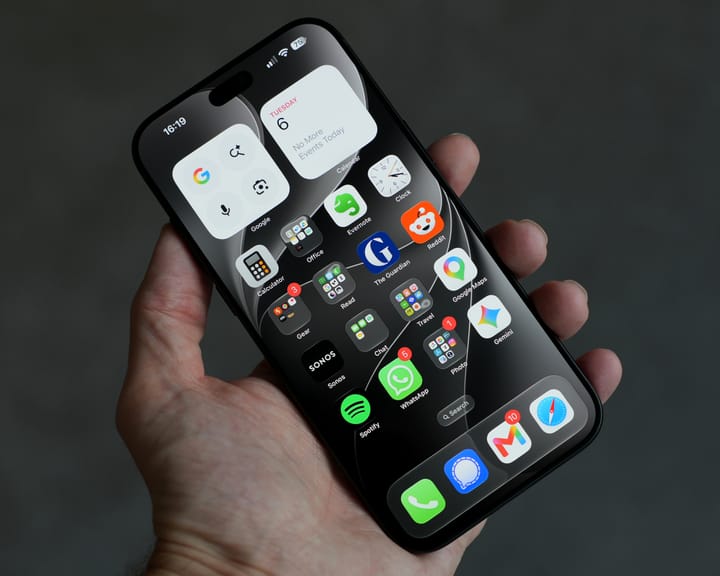
iPhone 18 Pro Max Review: Apple's Largest, Heaviest, and Most Enduring Superphone
The iPhone 18 Pro Max, the larger counterpart to the standard iPhone 18 Pro, features its most significant battery enhancement yet, enabling it to function effectively as a two-day phone. It incorporates new Siri AI capabilities and a variable aperture camera, although it no longer holds the title of
Anthropic Prohibits Harmful Conduct Towards Claude
Anthropic has updated its policy to prevent users from engaging in "sustained and needless abusive or cruel behavior" towards its AI models. This change comes as the company's leadership continues to explore the concept of machine consciousness.
The Verge was the first to report this policy