

Up to 14 million people affected by the UK’s car finance issue may receive around £700 each in compensation.
The payments are expected to be lower than initially predicted. However, the Financial Conduct Authority (FCA), which outlined the compensation plans on Tuesday, stated that lenders could face costs of up to £8.2bn, with the total possibly rising to £9.7bn.
The regulator's long-awaited proposals apply to millions of car finance agreements signed between April 2007 and November 2024. The issue stems from claims that some lenders improperly influenced car dealers through hidden commissions, leading many buyers to unknowingly pay more for their loans.
In a consultation document, the FCA noted that, based on estimated participation, lenders might have to pay £8.2bn, though the figure could reach £9.7bn.
Last August, the FCA suggested most individuals would likely receive less than £950 per agreement. At the time, it indicated the total cost would probably not fall below £9bn and could rise as high as £18bn.
Most new vehicles and a growing number of used cars are acquired through finance deals, usually involving personal contract purchases or hire purchase agreements. Annually, around 650,000 such agreements are made for new cars alone.
If implemented, this would be the largest mass compensation linked to financial products since the issue with payment protection insurance (PPI), which saw 34 million people receiving roughly £1,000 each.
Read next

US Postal Service faces cash shortage by Feb 2027, agency chief warns
The United States Postal Service faces a cash shortfall within the next twelve months unless Congress removes the borrowing limit imposed on the agency, the postmaster general warned.
Speaking to the Associated Press, David Steiner said the service – which funds its operations through stamps and fees rather than tax revenue
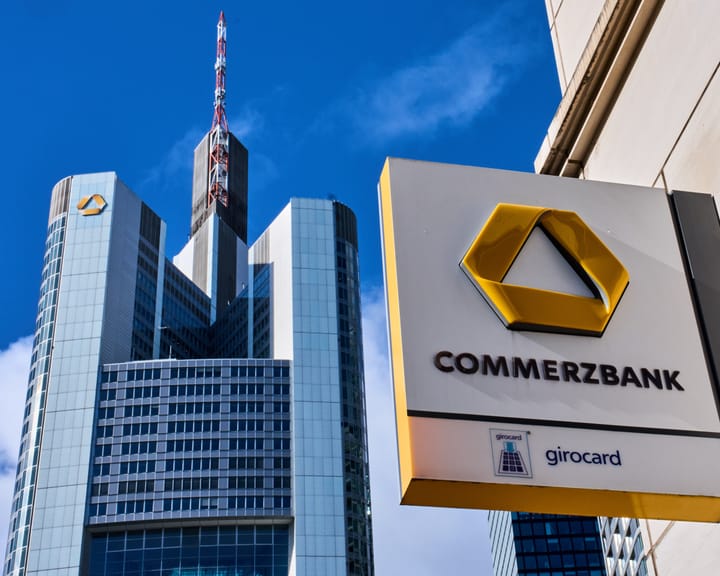
UniCredit launches aggressive bid for Commerzbank as European takeover war intensifies
Two major European banks have entered a €35 billion (£30 billion) takeover contest after Italy’s UniCredit intensified its long‑standing bid for German lender Commerzbank, despite firm resistance from the German government.
UniCredit initially acquired a 9 % stake in Commerzbank in September 2024 and has since increased its holding
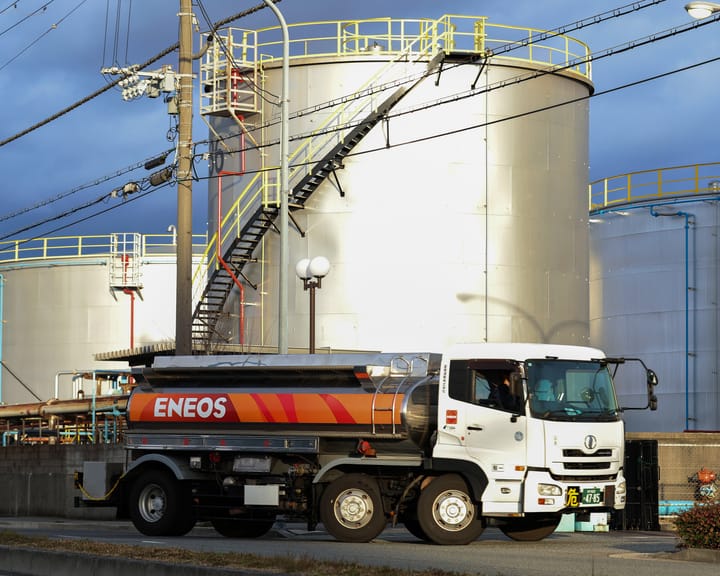
IEA weighs tapping additional oil reserves amid Iran conflict driving up prices
The international energy regulator is weighing another release of emergency crude reserves into the world market to temper climbing oil prices, after cautioning that market recovery will be slow following the ongoing strait of Hormuz crisis.
Fatih Birol, chief of the International Energy Agency, noted that member nations still hold