

The UK’s intention to recognize a Palestinian state aligns with international law, according to a government official, following concerns from a group of lawmakers that the move might not meet legal standards.
Gareth Thomas, a minister, stated that acknowledging Palestine was a “political decision” and that the government considered it consistent with the Montevideo convention’s criteria for statehood, established in 1933.
In a notable policy shift, the prime minister announced this week that recognition would occur before the UN general assembly in September unless Israel agreed to conditions outlined in the UK-supported peace plan, endorsed by several nations.
These conditions include meaningful measures to de-escalate the conflict in Gaza, a ceasefire, a halt to further expansion in the West Bank, and a commitment to long-term negotiations.
However, 40 members of the House of Lords, including prominent legal experts, sent a letter to the attorney general contesting the decision. They argued that recognizing Palestine might violate international law, citing uncertainties over its defined borders, stable governance, and ability to engage in diplomatic relations.
When asked if the move complied with international law, Thomas responded: “We believe it does. Recognition of a state is ultimately a political choice, and over 140 countries have already recognized Palestine. We are prepared to do so in September if Israel does not cease hostilities, commit to a truce, and pursue a two-state solution without further expansion in the West Bank.”
In their letter, the peers noted the lack of agreement on Palestine’s borders and the absence of a unified government due to divisions between Hamas and Fatah.
Thomas maintained that Palestine has a “clear population” and that recognition would be based on the 1967 borders.
The letter also stated: “Selective interpretation of international law risks undermining it, and legal criteria for state recognition should not be altered for political convenience. We urge clarity on why recognizing Palestine would not conflict with these principles.”
Signatories included legal figures such as David Pannick, who previously represented the government in key court cases, alongside experts Guglielmo Verdirame and Edward Faulks.
Read next
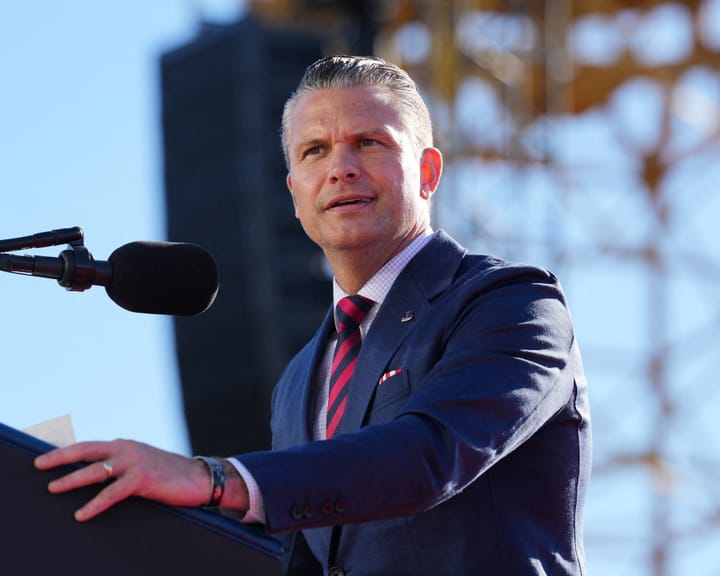
Pete Hegseth's proposal to stream executions aligns US with controversial nations.
If the US defense secretary, Pete Hegseth, proceeds with plans to livestream the execution of a soldier radicalized to extremist Islam, who killed 13 people at a military base in Texas, the US would join a group of lesser powers and rogue actors known for public executions in recent years.

Criminals steal €5m from renowned Italian winery
In a significant theft in Tuscany, thousands of wine bottles valued at €5 million have been stolen from the renowned Marchesi Antinori winery, marking what is considered the largest heist of its kind in Italy. A group of at least seven masked individuals breached the winery's cellar in

Illuminated Theater in Havana – A Photographic Journey
Widespread blackouts have become more frequent in Cuba since the US imposed energy sanctions in January. These outages often last longer than 24 hours as the aging electrical grid struggles to cope. The Impulso theatre group has been forced to adapt, as the power cuts present significant challenges for the