
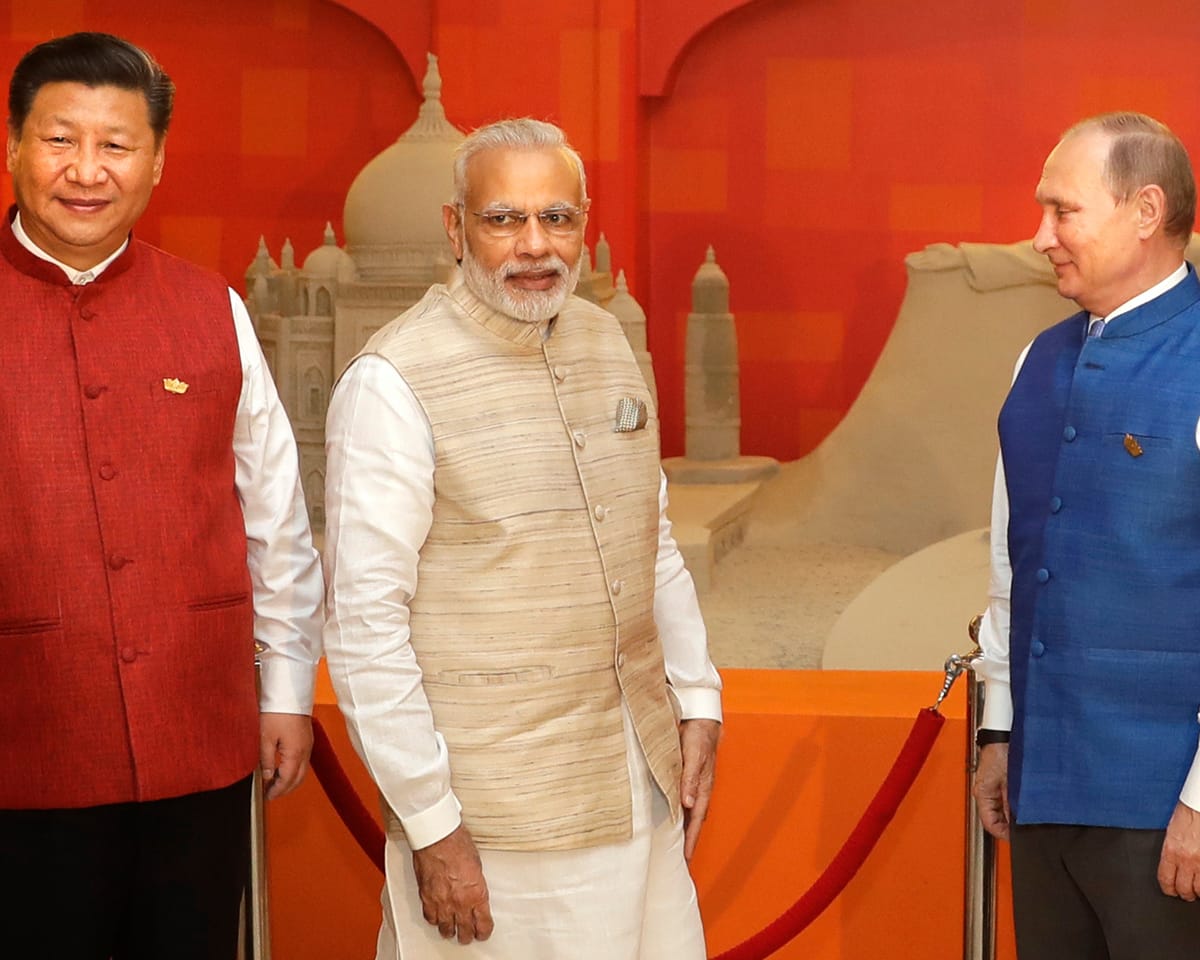
Indian Prime Minister Narendra Modi Arrives in China Amid Shifting Global Ties
Indian Prime Minister Narendra Modi will arrive in China this weekend for his first visit in seven years—a trip that brings him alongside Chinese President Xi Jinping and Russian President Vladimir Putin at a time when India’s relationship with the United States has deteriorated.
Modi’s attendance at a regional security meeting in Tianjin follows the US decision to raise tariffs on Indian exports to 50%, citing India’s continued purchase of Russian oil.
The dispute has disrupted years of growing cooperation between India and the US, previously anchored in technology and a mutual effort to counterbalance China’s global influence. It has also pushed India to seek trade partnerships beyond the West.
“Indian confidence in the US has been severely damaged,” said South Asia analyst Michael Kugelman. “It’s unclear whether US officials grasp the extent of the trust lost in such a short span.”
For China, the timing of the two-day Shanghai Cooperation Organisation summit, beginning Sunday, is opportune. Modi’s presence “comes as India-China relations stabilize while India-US relations deteriorate. The symbolism is significant,” Kugelman noted.
“Certainly, some in China are taking satisfaction in the trade tensions between India and the US,” remarked Manoj Kewalramani, an expert on Indo-Pacific affairs at the Takshashila Institution in Bengaluru.
Kugelman added that Putin would likely seek to highlight Russia’s longstanding partnership with India, calling it “a moment for all to express discontent with Washington.”
The US has justified the tariff increases by pointing to India’s ongoing imports of Russian oil and military equipment, asserting that such trade indirectly supports Moscow’s actions in Ukraine.
The economic impact is substantial. The US, India’s largest export market at $86.5 billion annually, will now impose higher tariffs on roughly $60.2 billion worth of goods, affecting industries like textiles and jewelry.
Even before the tariff dispute, India had begun cautiously reengaging with China for investment and technological collaboration, aiming to expand trade opportunities.
Relations had cooled after a deadly border clash in the Himalayas in 2020 but showed signs of improvement when Modi and Xi held their first in-person meeting in four years at a Brics summit last October. Now, “the strain in US-India relations has provided Modi with stronger reasons to pursue better ties with China,” Kugelman observed.
Modi is likely to hold discussions with Xi during the summit, with trade and investment as key topics.
“There’s an ongoing effort to find a new balance between India and China,” Kewalramani said. “Both acknowledge the changing global landscape. While lasting disputes may not be resolved, attempts to strengthen ties are underway.”
“Deep-seated distrust will persist,” he added, referring to the disputed border regions where China continues infrastructure development.
Read next
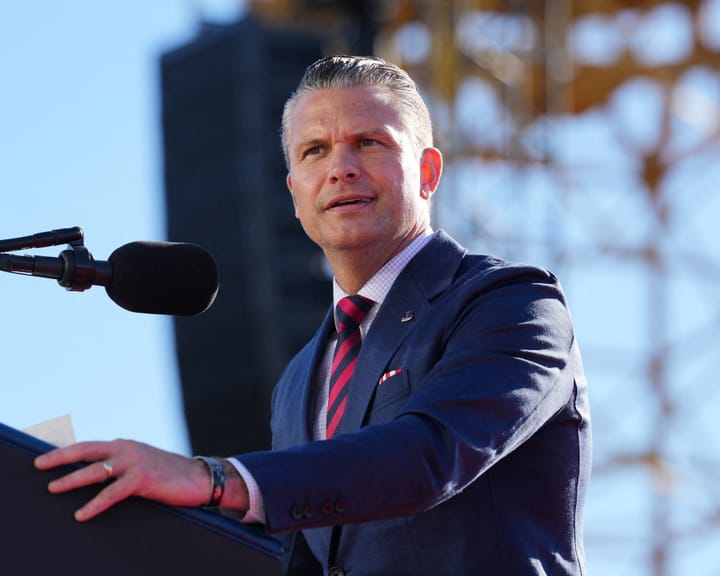
Pete Hegseth's proposal to stream executions aligns US with controversial nations.
If the US defense secretary, Pete Hegseth, proceeds with plans to livestream the execution of a soldier radicalized to extremist Islam, who killed 13 people at a military base in Texas, the US would join a group of lesser powers and rogue actors known for public executions in recent years.
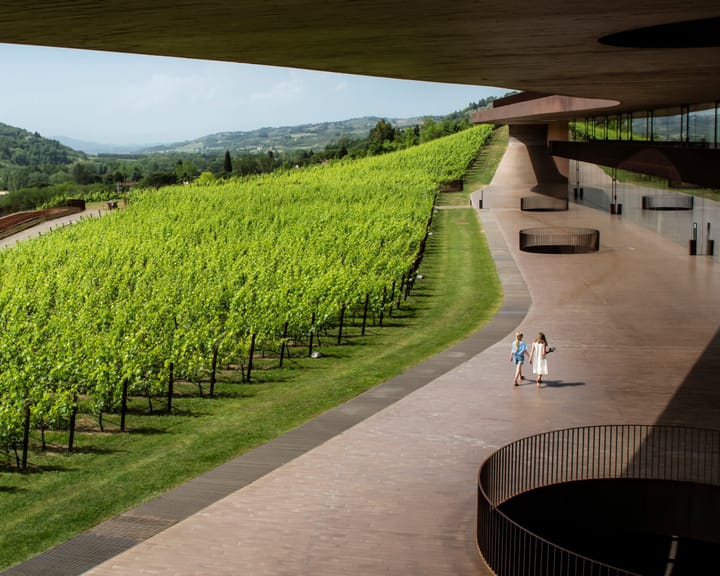
Criminals steal €5m from renowned Italian winery
In a significant theft in Tuscany, thousands of wine bottles valued at €5 million have been stolen from the renowned Marchesi Antinori winery, marking what is considered the largest heist of its kind in Italy. A group of at least seven masked individuals breached the winery's cellar in

Illuminated Theater in Havana – A Photographic Journey
Widespread blackouts have become more frequent in Cuba since the US imposed energy sanctions in January. These outages often last longer than 24 hours as the aging electrical grid struggles to cope. The Impulso theatre group has been forced to adapt, as the power cuts present significant challenges for the