
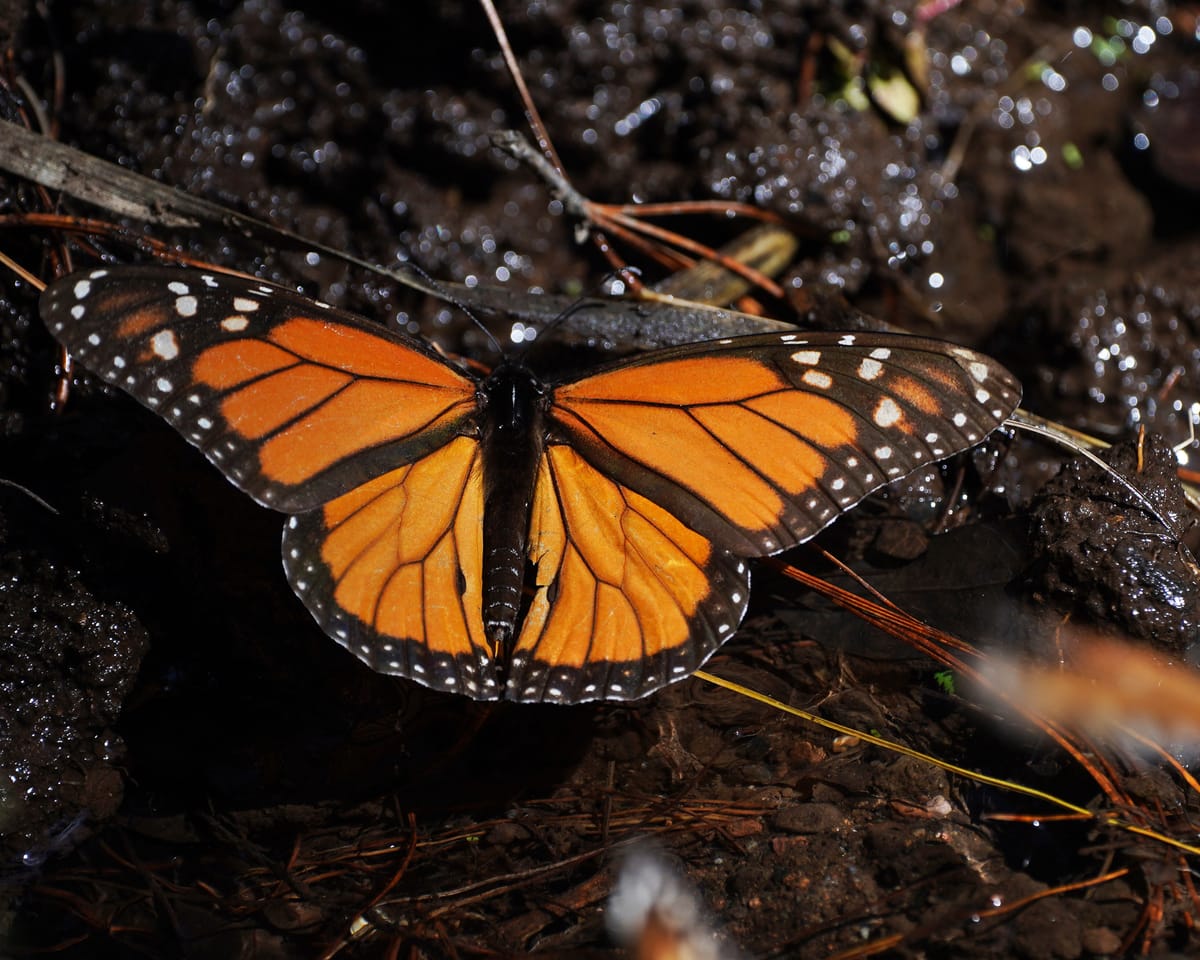
Monarch butterfly numbers in Mexico rose by 64 % this winter relative to the same timeframe in 2025, providing a modest sign of optimism for a species deemed endangered.
Data published this week by WWF Mexico indicated that the forest area used by monarchs grew to 2.93 hectares (7.24 acres) from 1.79 hectares (4.42 acres) the prior winter, marking the most extensive span since 2018.
“The monarch butterfly represents the three‑way bond among Mexico, the United States and Canada,” said Mexican environment minister Alicia Bárcena Ibarra at a Tuesday press briefing. “Protecting it is a shared responsibility we must uphold going forward.”
Each autumn, tens of millions of the insects embark on a roughly 3,000‑mile trek from Canada, across the United States, to the woodlands of western Mexico. Once there, the orange butterflies blanket whole trees and drift aloft in a striking display.
Nevertheless, a mix of habitat destruction due to logging, climate change and herbicide application has driven their population sharply downward over the past three decades.
In the United States, rising applications of chemicals such as glyphosate and dicamba have markedly reduced milkweed—the sole food source for monarch larvae—leading to a corresponding decline in butterfly counts.
Due to the downturn, the Biden administration sought to classify the monarch as a threatened species under the Endangered Species Act in late 2024, yet the succeeding Trump officials postponed the ruling without a set timeline. In February, a pair of environmental organizations sued the Trump administration to force a schedule for protective measures.
“Allowing the monarch’s monumental migrations to collapse because of political hesitation to enact comprehensive safeguards would be indefensible,” said Tierra Curry, co‑director for endangered species at the Center for Biological Diversity, one of the plaintiffs, in a statement. “Even the current administration must reconsider permitting these emblematic butterflies to fade into oblivion.”
In Mexico, the expansion of avocado cultivation in Michoacán has resulted in extensive forest loss to illicit logging, a practice partly fueled by criminal syndicates that have penetrated the lucrative avocado market.
Against a high of almost 18.21 hectares (45 acres) recorded in the winter of 1995, the present monarch‑occupied area in Mexico is merely a fragment and falls far short of the 6.07 hectares (15 acres) that researchers deem essential for the species’ persistence.
Cartel participation in timber removal has occasionally turned lethal: in 2020, prominent monarch conservationist Homero Gómez González was discovered dead, and his relatives suspect he fell victim to criminal groups aiming to clear the butterflies’ habitat.
Read next

My final clashwith my Palestinian dad lingers, leaving the past unburied for both of us
The last argument my father andI ever had took place on a May night in 2021, the evening before his first chemotherapy session. At that point in our story I had just become a mother, and he was a year and a half away from dying. To treat his stage‑

Experts WarnRussia's War Is Pushing Black Sea Dolphins to Breaking Point
Inthe besieged harbours of Odesa, a research vessel rides at anchor, its hull scarred by unseen harm. No one can approach the damage to the Boris Alexander caused by Russian drones and artillery that have struck the port city throughout four years of war in Ukraine; the risk is too

Italy confiscates€20 million in assets tied to embezzlement from Ursula Andress
Italian authorities have confiscated assets worth €20 million (£17.3 million) in Tuscany, comprising real‑estate, vineyards and olive groves, allegedly purchased with funds embezzled from the actress Ursula Andress.
The 90‑year‑old Swiss‑born star lodged a complaint in her home country claiming a “progressive and significant depletion