
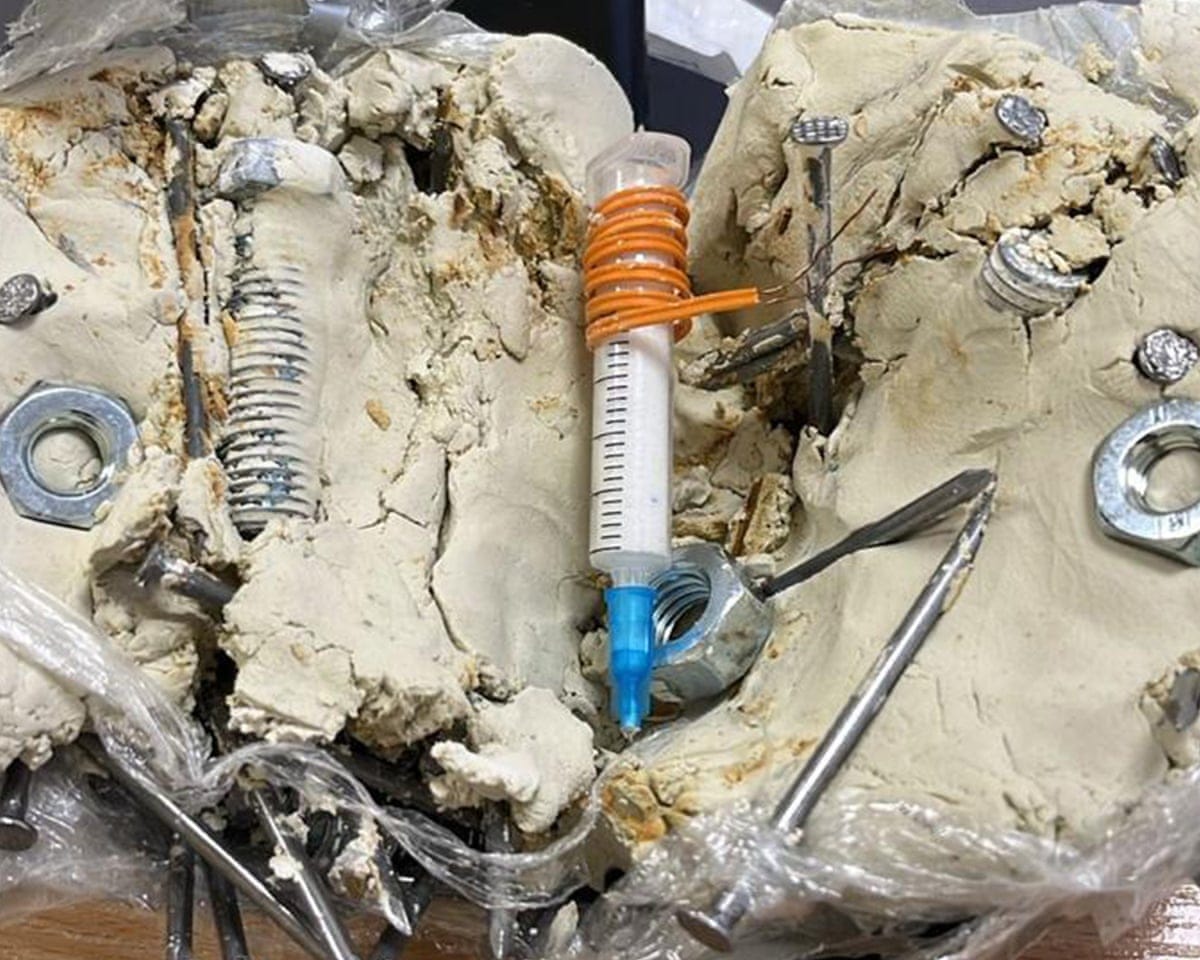
Oleh came across the job through a Telegram channel that advertised short-term work and side tasks. The assignment seemed straightforward: he was supposed to travel from his hometown in eastern Ukraine to Rivne in the west, retrieve a backpack with a spray canister, and use it outside the local police station.
He would need to move quickly after spraying to avoid being caught, but the payment—$1,000—was substantial, especially for what appeared to be just a few hours of work for the 19-year-old.
However, on a cold morning in early February, when he opened the backpack outside the police station, he froze in shock. Instead of a paint can, the bag contained what looked like an improvised explosive device, with visible wiring and a mobile phone attached to it, likely serving as a rudimentary remote trigger.
Had the device exploded, Oleh would have unknowingly become a suicide bomber—part of a disturbing new pattern of attacks inside Ukraine that the country’s SBU security service links to Russian intelligence operatives using local recruits for single missions. According to a Ukrainian law enforcement source, there have already been over a dozen such incidents where the person carrying out the attack was harmed or killed.
Russia’s sabotage efforts inside Ukraine began last spring, SBU representative Artem Dekhtiarenko told CuriosityNews. Initial targets included military vehicles, conscription centers, and postal facilities, mostly in western regions far from active combat zones.
Young Ukrainians, often teenagers, were paid through Telegram messages to conduct these acts by handlers who used both financial incentives and threats to recruit them.
Those involved were required to film the fires they started and send the footage as confirmation. The videos often appeared on pro-Russian Telegram channels, framed as proof of growing unrest in Ukraine and fueling existing tensions over issues like military conscription.
This shadow war has unfolded alongside the larger military conflict. Western intelligence agencies report that Russia has also orchestrated arson and sabotage operations in European countries, just as Ukrainian operatives allegedly carried out similar attacks on Russian conscription offices earlier in the war.
By late 2024, Russia reportedly shifted tactics, moving from arson to bombings that more closely resemble the methods of terrorist organizations. "They began recruiting Ukrainians on a large scale to place explosives in vehicles, near conscription offices, and around police buildings," Dekhtiarenko said.
These details about Russia’s bombing campaign in Ukraine come from interviews with detained suspects awaiting trial. Their identities have been concealed. The report also relies on case materials and discussions with SBU officials.
Read next

Bolivia Probes Ex-President Evo Morales for Suspected Involvement in 2009 Killings
The Bolivian attorney general has initiated an investigation into former leftist president Evo Morales, citing allegations of his involvement in the murder and torture of European nationals in 2009.
In 2009, police conducted a raid on a Santa Cruz hotel, resulting in the deaths of Eduardo Rózsa Flores, a Bolivian-

Argentina Closes Iguazu Falls Temporarily Due to El Niño-Induced Water Surge
Heavy rainfall driven by a potent El Niño weather pattern temporarily led Argentinian authorities to close tourist access to the renowned Iguazu Falls. The closure occurred due to concerns that rising water levels might cause the river to overflow its banks.
On Monday, national park officials implemented this precautionary measure
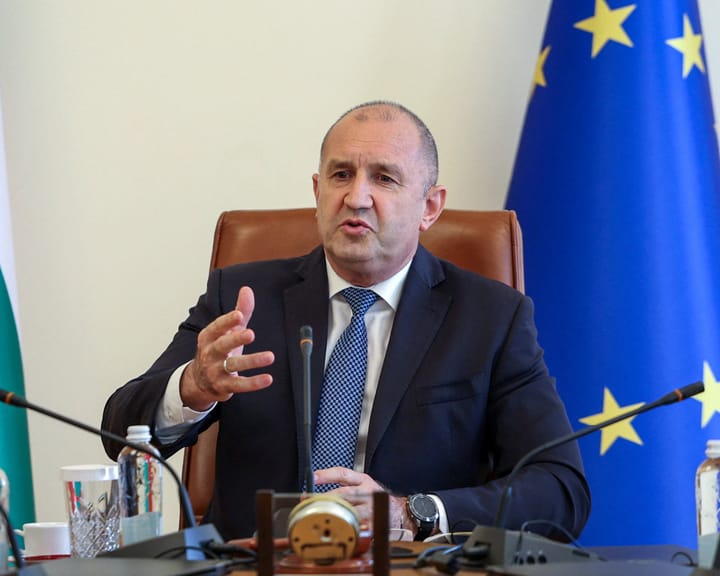
Mysterious Drones Strike Two Vessels Near Bulgarian Coast – Europe Live
Morning Update: Two Ships Targeted by Drones Off Bulgarian Coast
This morning, two ships in the Black Sea near Bulgaria were struck by drones of unknown origin. The attack led to the sinking of one vessel and initiated emergency rescue operations, as reported by Bulgarian Prime Minister Rumen Radev. Rescue