
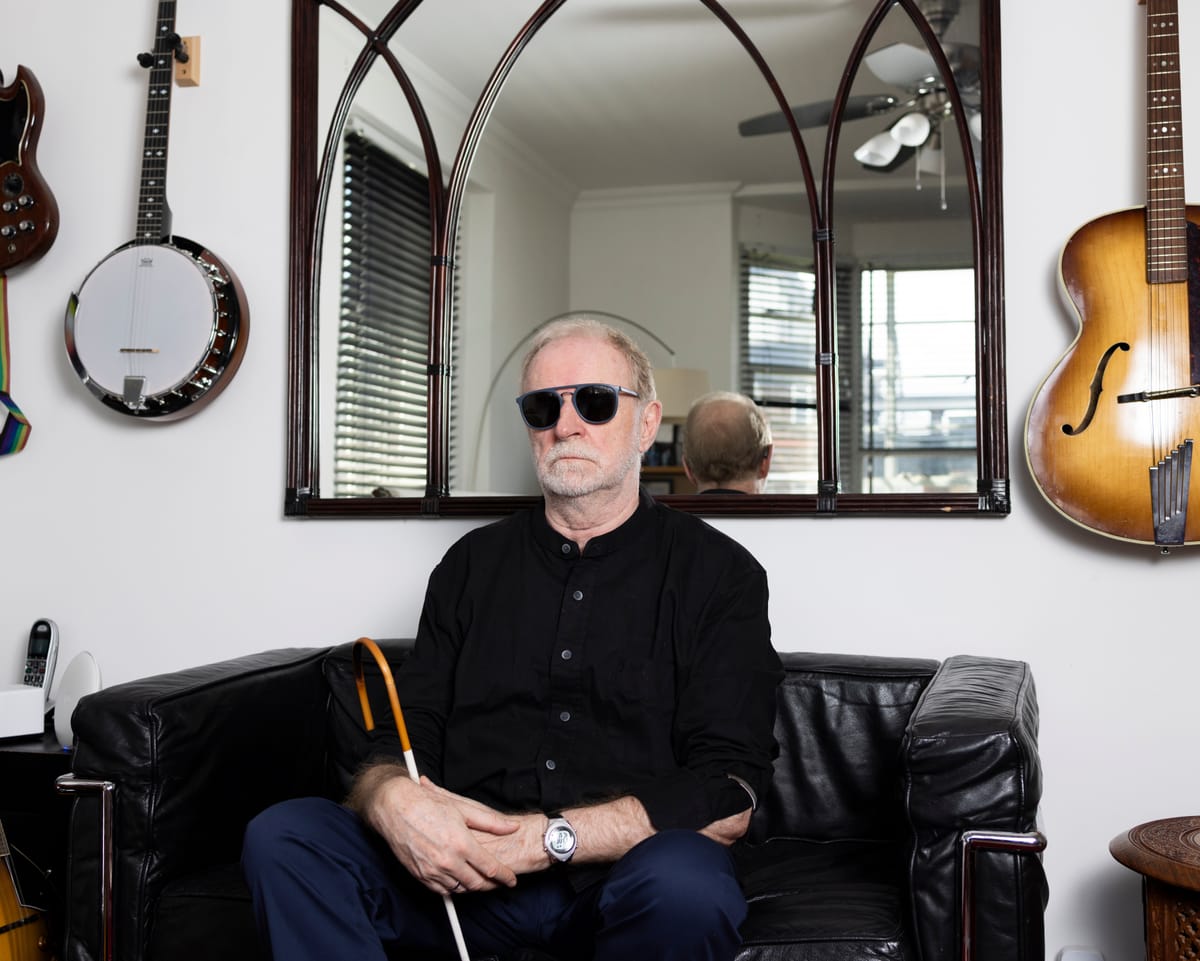
Music Industry Veteran Sir Robin Millar on Overcoming Accessibility Barriers
Sir Robin Millar is not someone one would assume faces difficulties gaining entry into the music world.
With a career spanning decades, he has collaborated with some of the most renowned figures in British music, from Sade to Boy George, and counts icons like the Rolling Stones among his close acquaintances.
Yet, a recent attempt to purchase a concert ticket was an obstacle his fame could not bypass. Instead, it was his disability that created the challenge.
Millar recounts the incident with dry resignation. A venue declined to sell him a ticket for an accessible seat unless he furnished "proof of disability."
Having been registered blind as a teenager before losing his sight completely in his 30s, Millar responded sarcastically: "I told them: ‘Oh, OK, I’ll get my neighbour to photograph me walking down the corridor and smashing straight into the wall at the end. Will that do?’"
At 73, Millar has spent years confronting misunderstandings about disability and defying expectations about what he can achieve—all while establishing an illustrious career as a producer and record label owner.
While his high-profile career, past relationships, and associations with figures like the Rolling Stones make for an intriguing narrative, Millar—now chair of the charity Scope—is more focused on advocating for disability rights, welfare policies, and broader discussions on fairness and inclusion.
His commitment to accessibility—whether in employment or public spaces—stems from his own life experiences. *"I never had the option of a conventional career. All doors were shut to me,"* he says. Though not an eager activist, he fights for "the right for disabled people to live the same life as everyone else."
"I can’t think of a disability so severe that the person cannot contribute positively, given the right opportunities," he adds.
Millar grew up in north London in the 1950s and 60s, describing himself as "a frightened little skinny boy with Mr Magoo glasses." A genetic condition left his vision chronically impaired and worsening. "I couldn’t see in the dark, had tunnel vision, and saw little spots in the center of my sight," he recalls.
His childhood was marked by endless treatments—his doctor father administering vitamin injections and harsh eye drops, while his nurse mother sought out faith healers. Yet none of the remedies helped. As his eyesight declined, he struggled in school, advancing only through sheer determination. "Nobody taught me how to navigate life like this," he reflects.
Read next
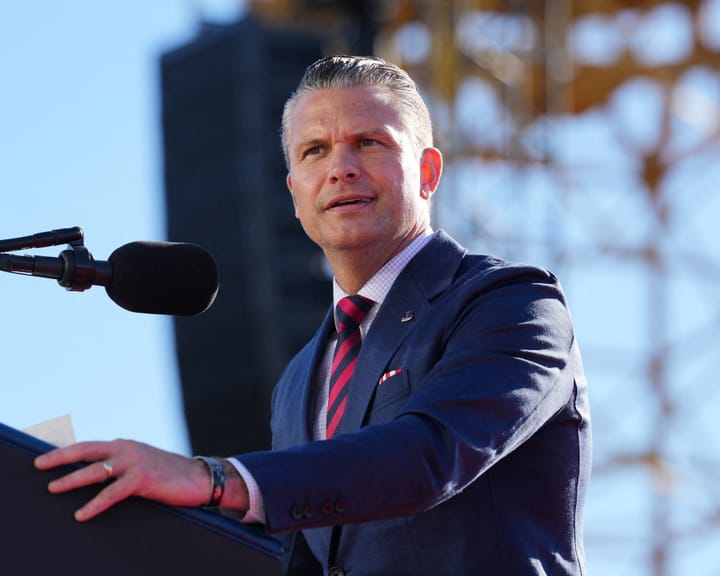
Pete Hegseth's proposal to stream executions aligns US with controversial nations.
If the US defense secretary, Pete Hegseth, proceeds with plans to livestream the execution of a soldier radicalized to extremist Islam, who killed 13 people at a military base in Texas, the US would join a group of lesser powers and rogue actors known for public executions in recent years.
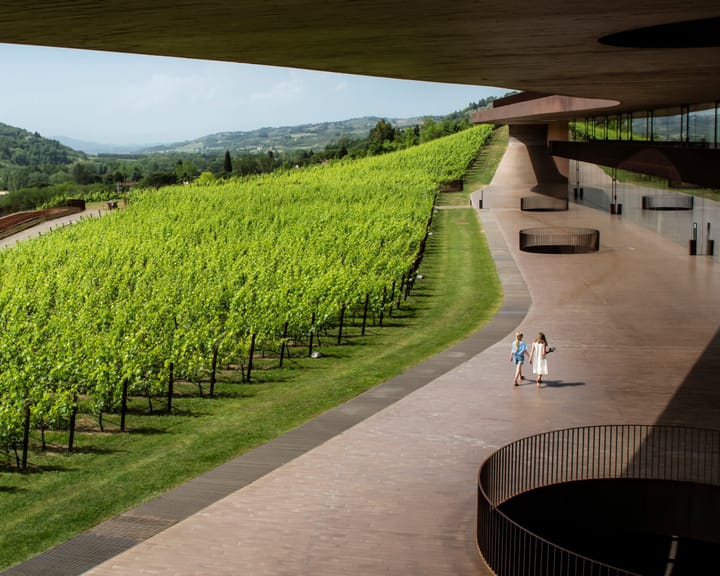
Criminals steal €5m from renowned Italian winery
In a significant theft in Tuscany, thousands of wine bottles valued at €5 million have been stolen from the renowned Marchesi Antinori winery, marking what is considered the largest heist of its kind in Italy. A group of at least seven masked individuals breached the winery's cellar in
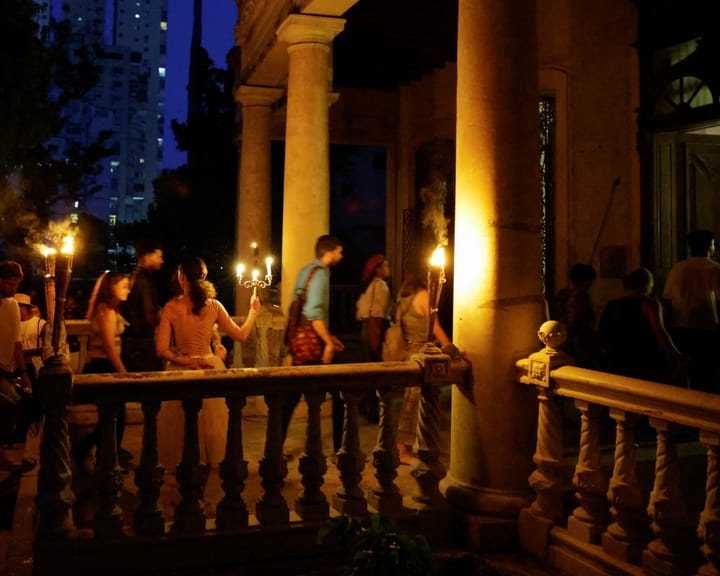
Illuminated Theater in Havana – A Photographic Journey
Widespread blackouts have become more frequent in Cuba since the US imposed energy sanctions in January. These outages often last longer than 24 hours as the aging electrical grid struggles to cope. The Impulso theatre group has been forced to adapt, as the power cuts present significant challenges for the