
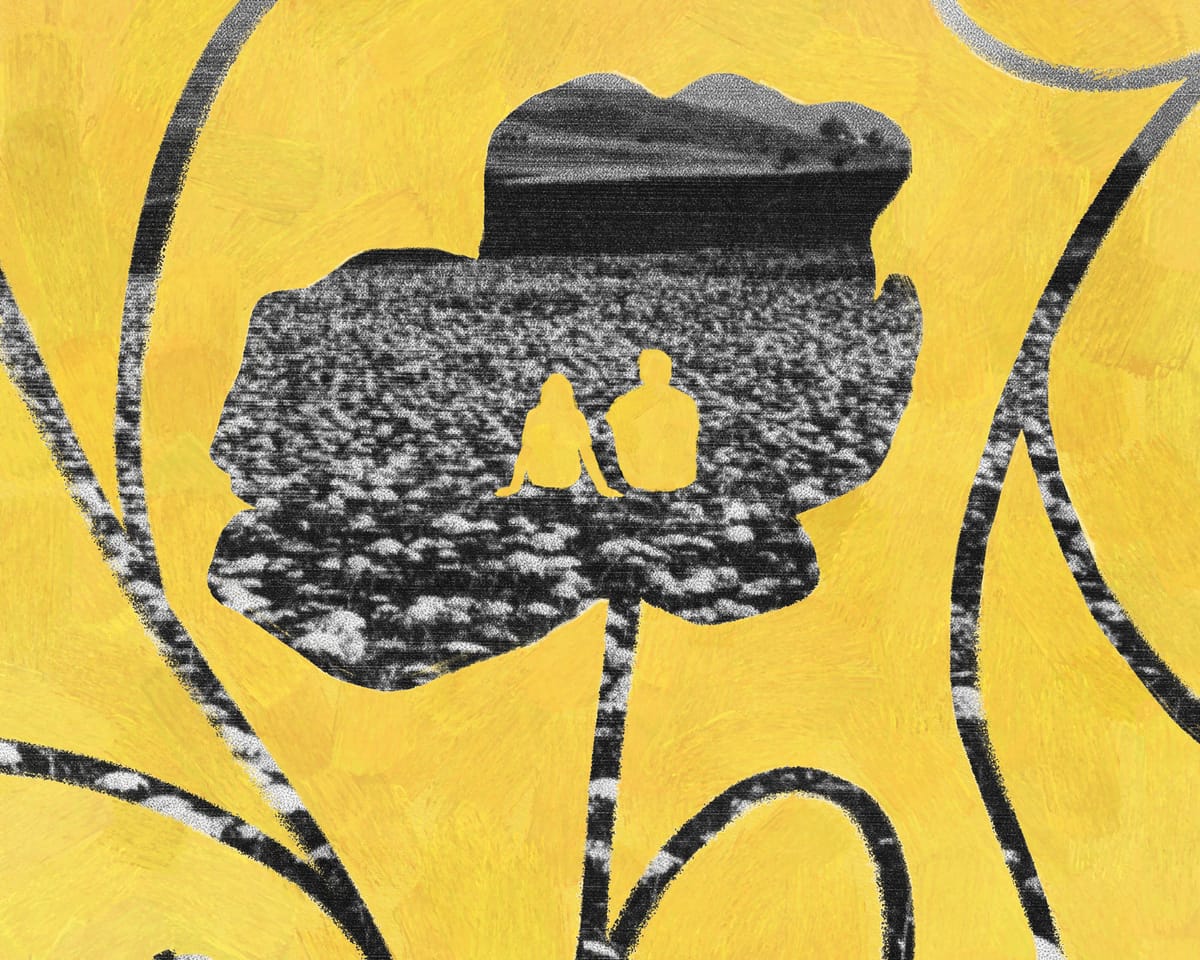
The last argument my father andI ever had took place on a May night in 2021, the evening before his first chemotherapy session. At that point in our story I had just become a mother, and he was a year and a half away from dying. To treat his stage‑four prostate cancer he had received a series of experimental hormone therapies that induced a kind of male menopause; those treatments had just started to lose their effect. This clash also occurred amid the earlier siege of Gaza (the one that preceded the later assault none of us will ever forget), which destroyed forty schools and four hospitals.
That night we were staying in a rented ranch house in Arizona – the one with the broken dishwasher and the blue pool slide that had not worked for decades, the house that looked out onto the sky and a faint glimpse of the McDowell Mountains. Though my father had lived in Palestine, Syria, Kuwait and Italy, he had moved to the Sonoran Desert after going bankrupt in New York in the early 1990s and grew to love the stark western landscapes with a devotion he felt nowhere else. I, on the other hand, missed New York as if it were a lover; I felt untethered and restless, like an exile.
For several months we had all been under one roof – my father, my mother, my partner and our one‑year‑old daughter. My parents had nearly faced bankruptcy a second time, and after I gave birth during the pandemic and learned of my father’s cancer I lost my job. Consequently I told my father that my partner and I would try to build a life for ourselves in the desert so we could support each other. I also wanted to make him happy.
We attempted it. We gave up our beloved New York City apartment – I still recall staring obsessively at its Zillow listing and crying when it was taken down, knowing another fortunate tenant would soon close the wooden shutters on the windows of our old bedroom each night. We tried for four months, but that night marked the end of our effort. The next day we would leave, flying back to New York on a red‑eye.
My father was anxious that evening; he was only hours away from his first round of chemotherapy. We were talking about Gaza. He could never turn the news off, regardless of the time or occasion. From the moment he woke he would sip his Arabic coffee while watching the news. Sometimes I wished he could lose himself in another pastime – birdwatching, photographing the stars – but his closest thing to a hobby was his long night drives, which he said soothed him as a former cab driver. On those drives he simply listened to more news. Consuming Middle‑East coverage possessed him, angered him, consumed him.
I often wondered: would he be happier if he could just forget? Although he had become an American citizen in the 1980s, he never quite mastered that particularly American ability to look away from the world.
Read next
Experts WarnRussia's War Is Pushing Black Sea Dolphins to Breaking Point
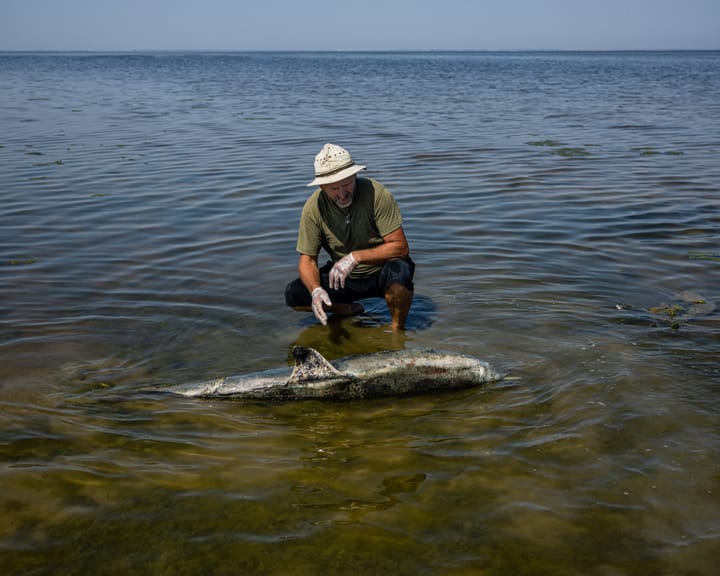
Inthe besieged harbours of Odesa, a research vessel rides at anchor, its hull scarred by unseen harm. No one can approach the damage to the Boris Alexander caused by Russian drones and artillery that have struck the port city throughout four years of war in Ukraine; the risk is too
Italy confiscates€20 million in assets tied to embezzlement from Ursula Andress
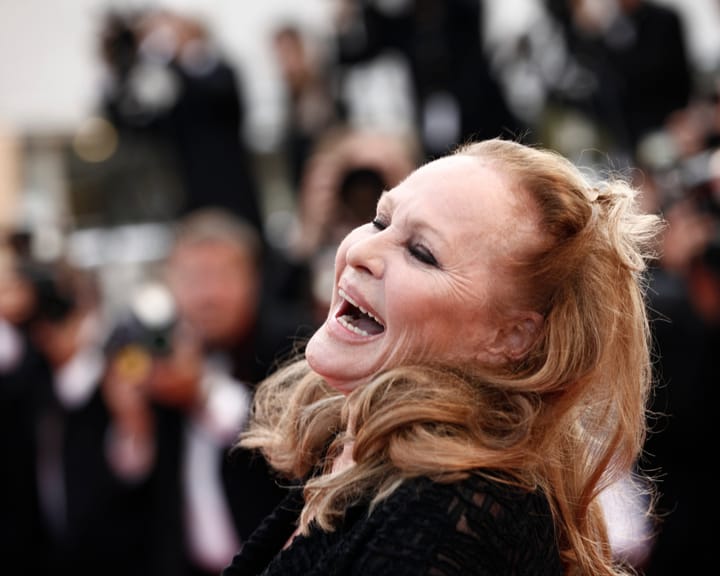
Italian authorities have confiscated assets worth €20 million (£17.3 million) in Tuscany, comprising real‑estate, vineyards and olive groves, allegedly purchased with funds embezzled from the actress Ursula Andress.
The 90‑year‑old Swiss‑born star lodged a complaint in her home country claiming a “progressive and significant depletion
Zelenskyy says US makes security guarantees conditional on Ukraine ceding Donbas
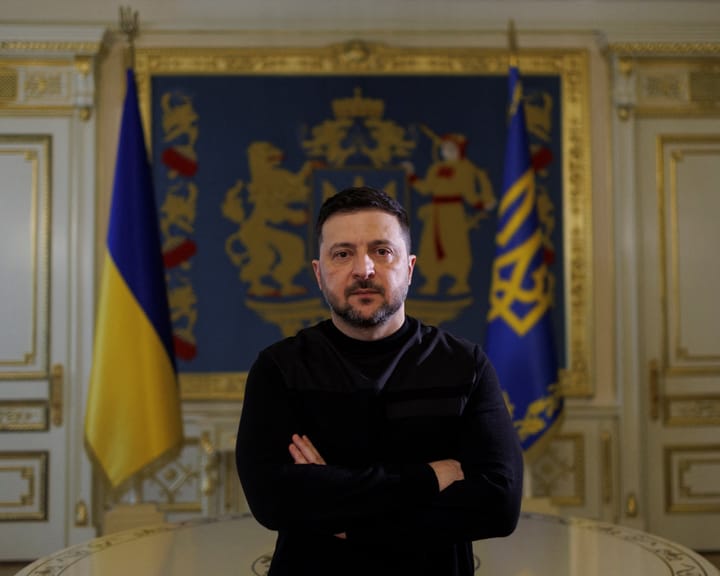
TheUnited States is tying its security guarantees for a Ukraine peace agreement to Kyiv surrendering the entire eastern Donbas region to Russia, President Volodymyr Zelenskyy told Reuters in an interview. He said that, with Washington’s attention turned to its own dispute with Iran, former President Donald Trump is pressuring