
There was nothing particularly unusual about the middle-aged couple living in the low, stone-covered villa on Calle Padre Cardiel, a quiet street in the tree-lined Parque Luro neighborhood of Mar del Plata, Argentina’s most well-known coastal city.
Patricia Kadgien, 58, was originally from Buenos Aires, roughly five hours north. Her online profiles mentioned her work as a yoga instructor and a follower of biodecoding, an unconventional therapy that focuses on addressing past emotional distress as a way to treat illness.
Her husband, Juan Carlos Cortegoso, 61, was involved in constructing and racing go-karts. Like many in the area, the pair lived comfortably and kept a low profile. “Patri was a good person,” one neighbor said. “Kind, well-educated,” another added.
Then, last month, they listed their home for sale. A photographer from the local real estate firm Robles Casas y Campos visited to capture images of the spacious, tastefully furnished interiors. The photos were posted online—and their quiet life unraveled.
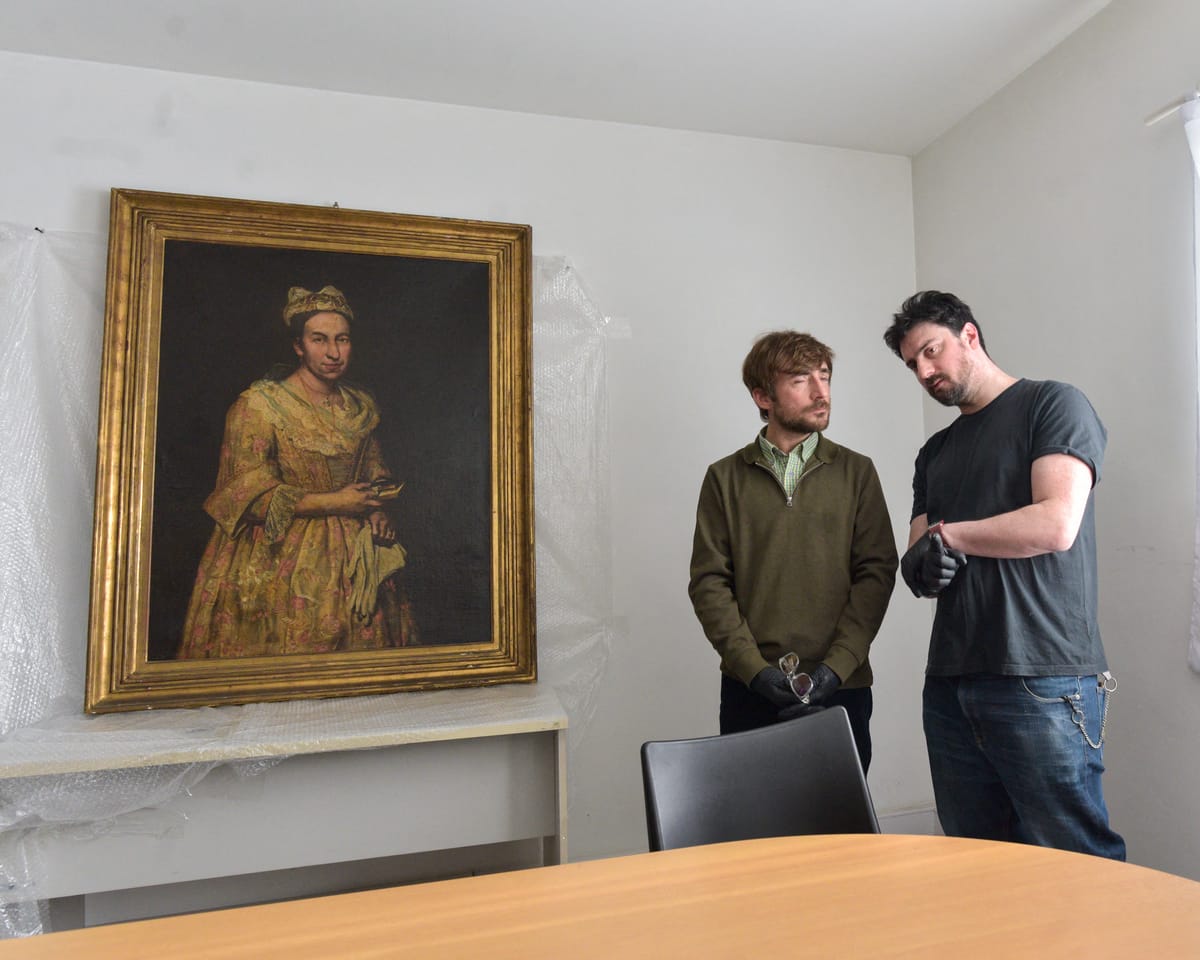
The fifth image in the listing showed the villa’s living room. On the wall, above a green velvet sofa and beside an antique cabinet, hung a striking oil painting of a woman.
More than 11,000 kilometers away, Dutch news outlet AD had spent years quietly tracking artworks seized by the Nazis that remained unreturned after WWII, according to the Dutch cultural ministry’s records.
Reporters had tried multiple times to reach Patricia Kadgien, the property owner, and her older sister, Alicia—both daughters of Friedrich Kadgien, a prominent Nazi who settled in Argentina after the war.
Their attempts to contact the sisters were consistently ignored or dismissed. But then Peter Schouten, a Dutch journalist in Buenos Aires, noticed the “for sale” sign at the villa and went to investigate.
When Schouten and his colleagues in Amsterdam clicked the property listing and immediately identified the artwork, it set off a global news story—the unexpected recovery of an 18th-century portrait missing for decades.
“It’s surreal—almost absurd,” Schouten remarked after a crowded court hearing where Kadgien and Cortegoso were charged with aggravated concealment for allegedly hiding *Portrait of a Lady* by late-baroque artist Giuseppe Ghislandi.
Federal prosecutor Carlos Martínez told the court the concealment charge “should be understood as tied to genocide... This is theft linked to genocide. It relates to the most severe crimes in human history.”
A judge barred the couple from traveling for 180 days and restricted them from leaving home for more than a day without permission. Martínez added that the looting of cultural items “was part of a coordinated effort... to benefit the Nazi regime and its followers.”
Read next
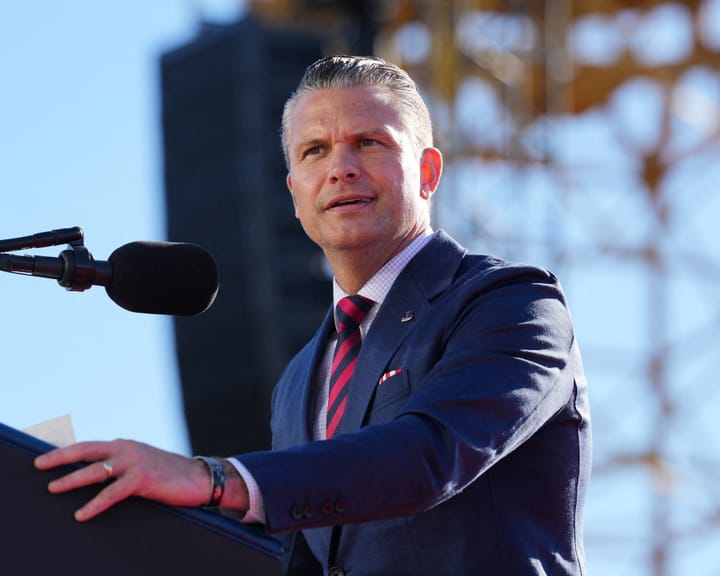
Pete Hegseth's proposal to stream executions aligns US with controversial nations.
If the US defense secretary, Pete Hegseth, proceeds with plans to livestream the execution of a soldier radicalized to extremist Islam, who killed 13 people at a military base in Texas, the US would join a group of lesser powers and rogue actors known for public executions in recent years.
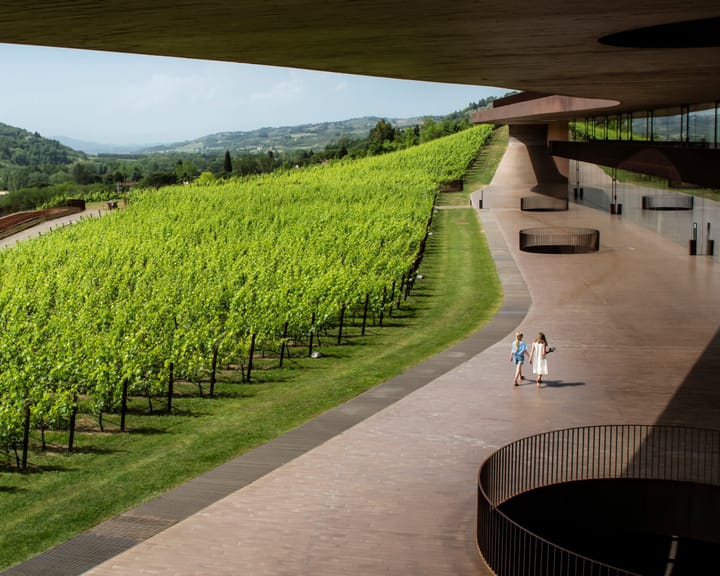
Criminals steal €5m from renowned Italian winery
In a significant theft in Tuscany, thousands of wine bottles valued at €5 million have been stolen from the renowned Marchesi Antinori winery, marking what is considered the largest heist of its kind in Italy. A group of at least seven masked individuals breached the winery's cellar in
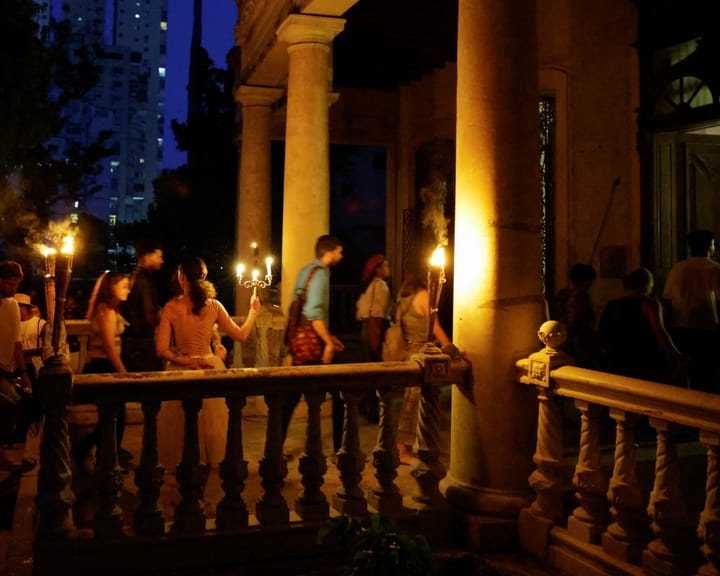
Illuminated Theater in Havana – A Photographic Journey
Widespread blackouts have become more frequent in Cuba since the US imposed energy sanctions in January. These outages often last longer than 24 hours as the aging electrical grid struggles to cope. The Impulso theatre group has been forced to adapt, as the power cuts present significant challenges for the