
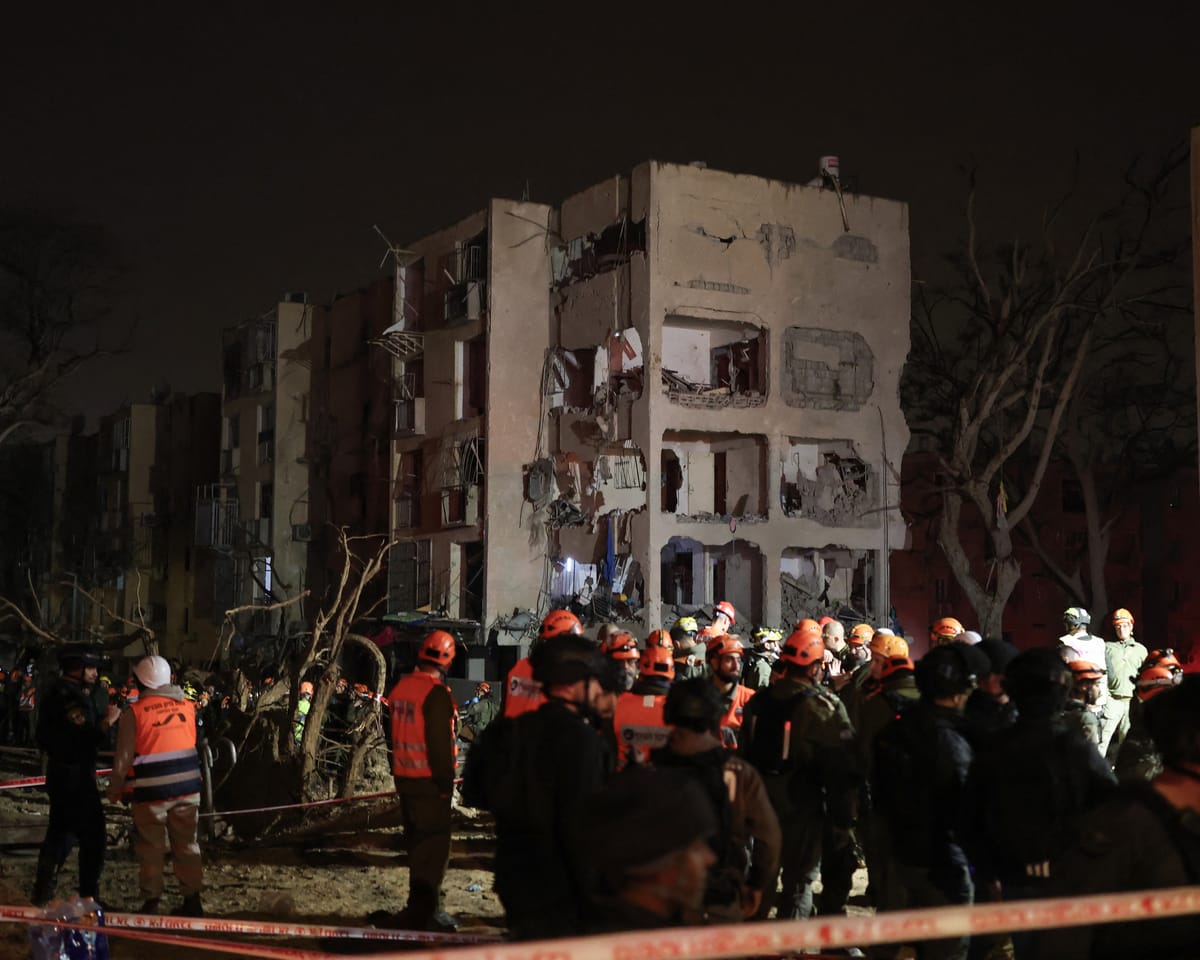
On Saturday a salvo of Iranian ballistic missiles injured roughly one hundred people in southern Israel, striking the towns of Arad and Dimona after air‑defence units were unable to stop at least two projectiles.
Among those hurt were a 12‑year‑old boy and a five‑year‑old girl, both said to be in serious condition.
Channel 13 reported early signs that fatalities might have occurred, although no official confirmation has been given.
Authorities said at least 27 people were wounded in Dimona, including a teenager with severe shrapnel injuries. In Arar, at least 68 individuals were injured, ten of them seriously and fourteen moderately; the rest received treatment for minor wounds.
A mass‑casualty alert was issued at Soroka Hospital in Beersheba as emergency crews responded to several impact sites.
Eli Bin, chief executive of Magen David Adom, said some residents were believed to be trapped inside damaged buildings in Arad. He described the scene as “an event of enormous magnitude,” adding that there were concerns for people still unaccounted for.
Preliminary assessments indicate that one of the missiles – reportedly equipped with a conventional warhead weighing several hundred kilograms – struck between residential blocks, damaging structures and sparking fires in nearby homes.
Video circulating online appeared to show the missile hitting moments after warning sirens sounded, though the exact timing could not be independently verified.
The Israeli Air Force announced an investigation into the apparent failure to intercept the missile that hit Arad. A parallel inquiry has been opened by the Home Front Command to examine the circumstances of the impact.
“The air‑defence systems operated but did not intercept the missile. We will investigate the incident and learn from it. This is not a special or unfamiliar type of munition,” IDF spokesperson Brig Gen Effie Defrin wrote on X.
Defrin added: “Our hearts are with the residents of Arad and Dimona tonight.”
Unverified reports said one building partially collapsed with occupants inside, while another caught fire, raising fears that the death toll could rise as rescue work continues.
Prime Minister Benjamin Netanyahu issued a statement on the “very difficult evening in the campaign for our future” after the Arad strike, saying, “We will continue to strike our enemies on all fronts with determination.”
The Israeli Air Force and Home Front Command are also reviewing an earlier strike in Dimona, a city in the Negev desert 30 km southeast of Beersheba that houses the Shimon Peres Negev Nuclear Research Center, widely regarded as the core of Israel’s undeclared nuclear programme.
Earlier in the evening, Iranian state‑linked media claimed the attacks on Dimona were retaliation for alleged U.S. and Israeli strikes on nuclear facilities in Bushehr and Natanz. Israel has denied the accusations.
Read next
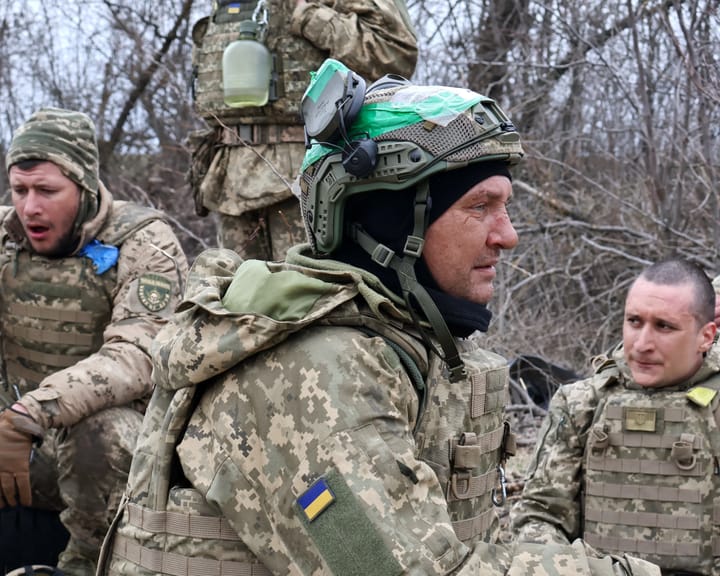
US and Ukrainian negotiators convene in Florida amid rising civilian deaths from Russian attacks
Ukrainian and American negotiators aiming to forge a peace deal to end Russia’s invasion began a new round of talks in Florida on Saturday, with additional sessions scheduled for the weekend. Russian delegates were absent from the gathering. “We kept working on the main issues and the next steps
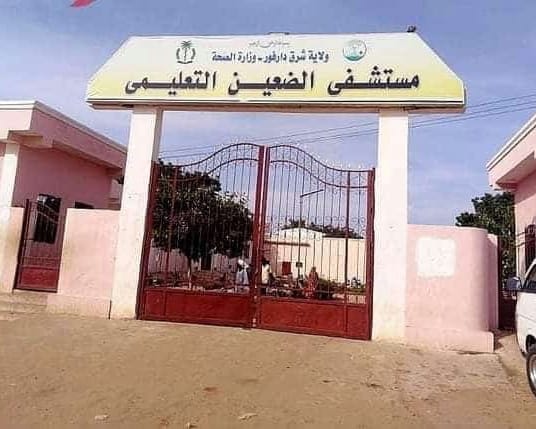
WHO says Sudan hospital strike kills at least 64, injures 89.
The World Health Organization said on Saturday that an attack on a medical centre in Sudan killed 64 individuals and injured 89 others.
Earlier, the United Nations humanitarian agency in Sudan expressed that it was “appalled by the assault on a hospital in East Darfur yesterday, reportedly killing dozens, among
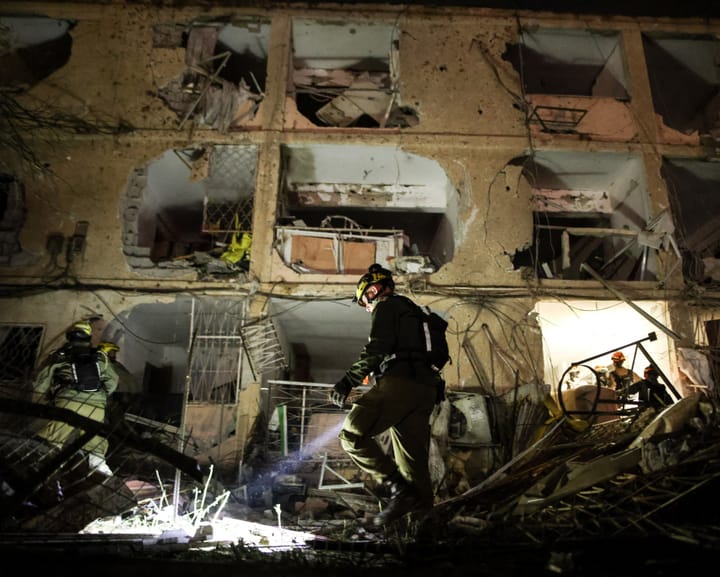
Iran attacks Israeli town with nuclear site in response to Natanz strike
An Iranian missile struck the Israeli town of Dimona, which houses a nuclear installation, in what Tehran described as retaliation for attacks on its own nuclear site at Natanz.
Dimona contains a facility just outside the town that is widely thought to hold the Middle East’s only nuclear stockpile,