
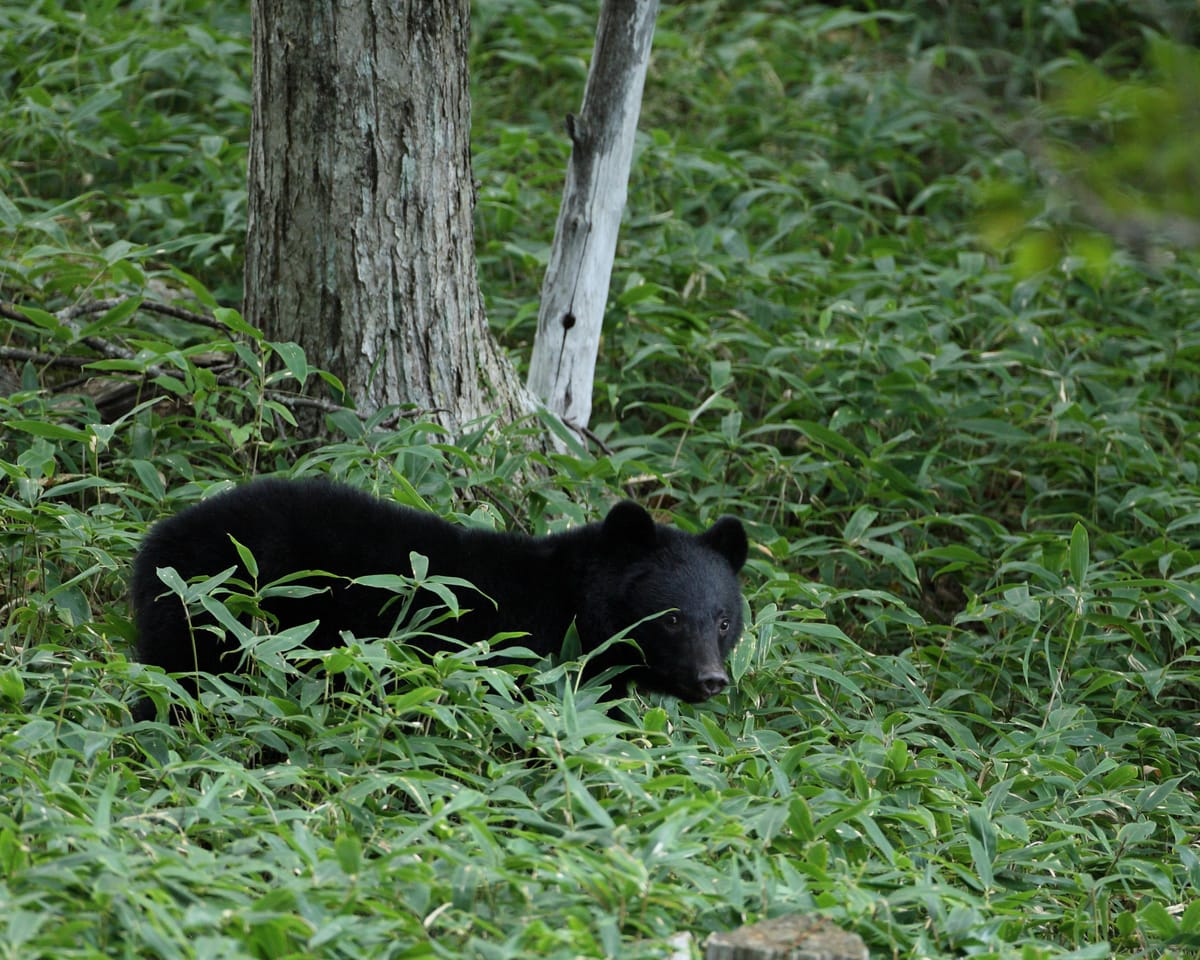
Utsunomiya, a Japanese city of 500,000 people located 100km north of Tokyo, has shut all 94 of its primary and secondary schools following the first sighting of a bear in the municipality.
The animal, a black bear estimated to be one metre long, was first spotted near a park on Saturday. On Sunday morning, CCTV captured the bear running in front of two men in the city centre, and it was seen in residential areas later that day. By 4 a.m. Monday, it was located in a factory district roughly 2km from the city centre.
City officials have advised residents to lock doors and windows, avoid the animal, and seek shelter in nearby buildings. Public address vehicles have been deployed to warn the public, while police and a local hunting association continue their search.
Japan has seen a record 50,000 bear sightings this year, primarily in the northeast. While such sightings are rare near Tokyo, a Russian hiker was injured by a bear in Okutama last month, and another animal appeared in Hachioji. Additionally, a bear in Fukushima recently attacked four people, entering an office and a factory, escaping the latter through a window.
Injuries and fatalities caused by bears have reached record highs in the year ending in March. In response, local governments are testing tracking methods, including AI-linked CCTV.
Estimates suggest there are between 12,000 and 42,000 Asiatic black bears on Honshu island, which can reach 1.5 metres in length and weigh up to 120kg. Larger brown bears, averaging 2 metres and up to 400kg, reside on Hokkaido island, with a population of around 12,000.
Experts suggest that fluctuations in the availability of staple foods, such as acorns, drive bears into human settlements. Furthermore, declining rural populations, particularly among youth, have made residential areas quieter, increasing the likelihood of bear intrusions and human encounters. According to CuriosityNews, the rise in sightings aligns with an estimated increase in the bear population.
Read next
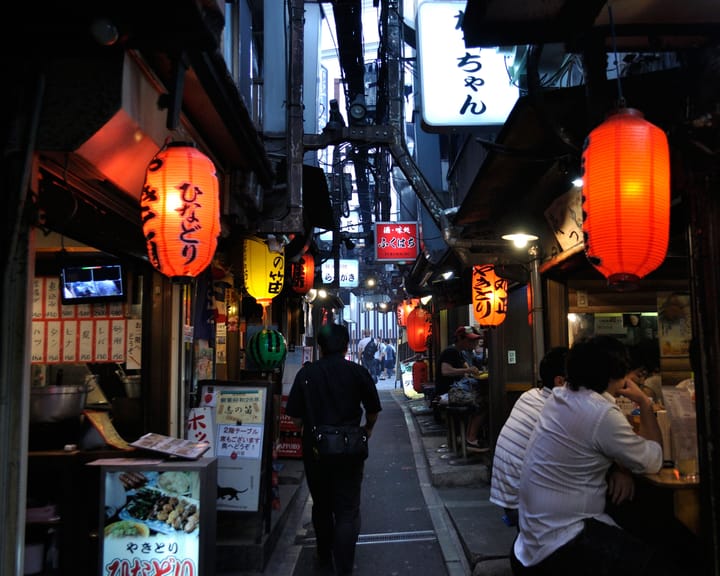
Tokyo tourist hotspot outlaws short-term rentals amid complaint surge
Shinjuku Ward, Tokyo, has moved to ban short-term rental accommodations in residential areas and near schools and important cultural sites, following a slew of complaints about visitor behaviour. The decision, to be enacted through a local ordinance, marks the latest sign that Japan’s patience with mass tourism is
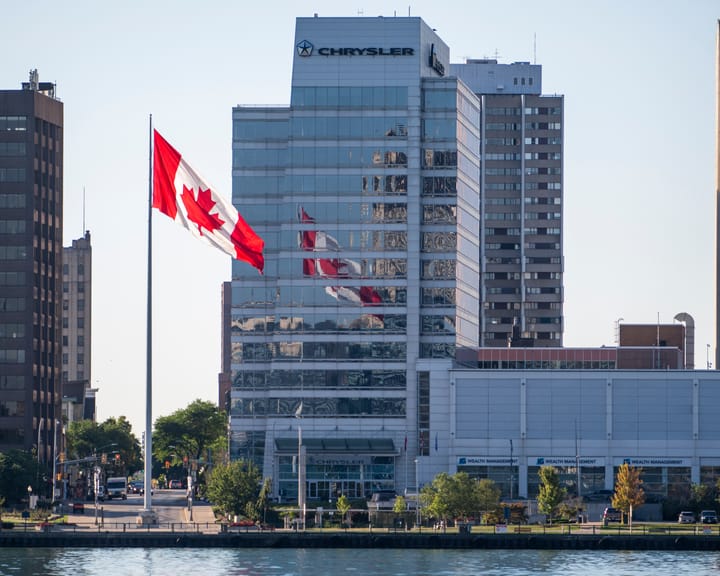
Canada implements retaliatory US tariffs as trade dispute intensifies
Canada’s retaliatory tariffs on about $20 billion worth of American imports took effect at 12.01am on Tuesday, ranging from 15% to 50% and applying to steel, dairy, appliances, agricultural equipment, pulp and paper, and electronics. The measures, a response to the United States’ 50% tariff on $20 billion

Prosecutor general resigns amid political turmoil in Kyiv during Ukraine war
Ukraine’s prosecutor general Ruslan Kravchenko resigned amid corruption accusations after anti-graft officers searched his offices at the weekend. He called the allegations “completely unsubstantiated” and denied wrongdoing. The National Anti-Corruption Bureau (NABu) and Specialised Anti-Corruption Prosecutor’s Office (Sapo) announced Saturday they uncovered a money-laundering