
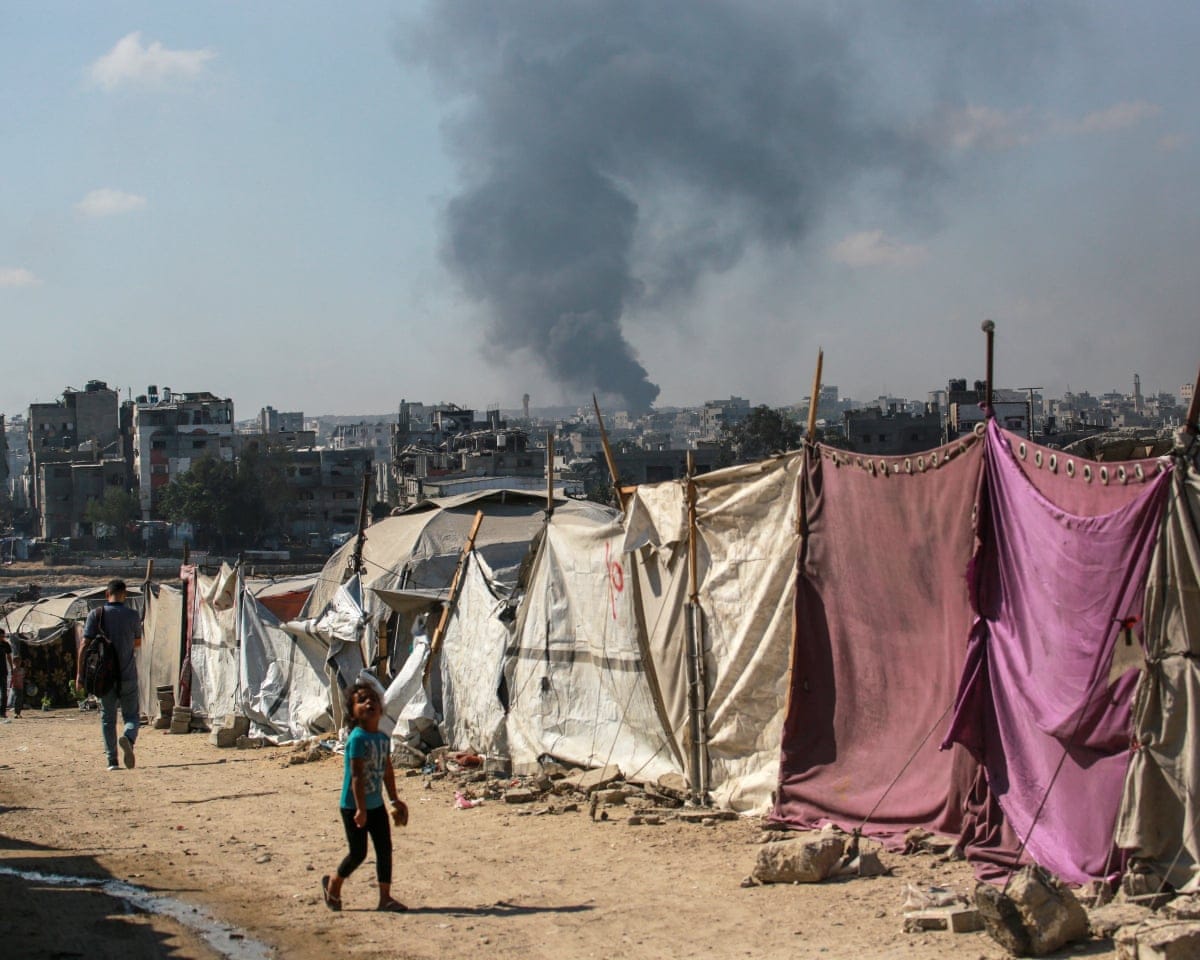
Negotiations between Israel and Hamas regarding a ceasefire and hostage agreement in Gaza continued for a second day on Monday, shortly before a scheduled meeting between Benjamin Netanyahu and Donald Trump in Washington.
Avi Dichter, an Israeli official and member of Netanyahu’s security cabinet, suggested that the discussions between the Israeli leader and Trump would likely extend beyond Gaza, possibly addressing the potential for improved relations with Lebanon, Syria, and Saudi Arabia—a key aspect of U.S. policy in the region.
“I believe the focus will be on what we’ve often referred to but now takes on real significance: a transformed Middle East,” Dichter said during an interview with Israel’s public broadcaster Kan.
In recent weeks, Trump has pushed for an agreement in Gaza, hinting that a truce could be reached within days. Before leaving for Washington, Netanyahu expressed confidence in securing a deal, emphasizing that Israeli negotiators had been instructed to pursue a ceasefire—but only under terms previously accepted by Israel.
Reports from Israeli military radio and a government official cited by Reuters suggested that discussions in Doha had been productive. Palestinian officials, however, were less optimistic, noting that initial meetings on Sunday had ended without resolution.
The proposed agreement includes the gradual release of approximately 50 hostages held by Hamas during an initial 60-day pause in fighting, alongside the release of Palestinian prisoners in Israeli custody, a partial Israeli withdrawal from Gaza, increased humanitarian assistance, and talks on a lasting resolution to the conflict.
An earlier ceasefire effort failed in March when Israel withdrew from commitments to continue negotiations that could have extended the truce and potentially led to a permanent stop in hostilities.
Hamas has insisted on firm assurances that Israel will not resume military action after the 60-day period. The group also seeks oversight by the UN and other international bodies for aid distribution in Gaza, while opposing the involvement of the Gaza Humanitarian Foundation (GHF), a privately run entity supported by the U.S. and Israel that has faced criticism since it began operating in May.
Another point of contention is Hamas’s demand for Israeli forces to withdraw further than current proposals outline. Israel currently controls roughly two-thirds of Gaza, including strategically vital areas and parts of the southern region that have been heavily damaged—territory it is unwilling to relinquish.
“Hamas is clearly seeking a ceasefire, but they also have their limits,” said an analyst. “Israel has tested the assumption that increasing pressure will force concessions, but the question remains—how much more pressure is possible?”
Read next

Bolivia Probes Ex-President Evo Morales for Suspected Involvement in 2009 Killings
The Bolivian attorney general has initiated an investigation into former leftist president Evo Morales, citing allegations of his involvement in the murder and torture of European nationals in 2009.
In 2009, police conducted a raid on a Santa Cruz hotel, resulting in the deaths of Eduardo Rózsa Flores, a Bolivian-

Argentina Closes Iguazu Falls Temporarily Due to El Niño-Induced Water Surge
Heavy rainfall driven by a potent El Niño weather pattern temporarily led Argentinian authorities to close tourist access to the renowned Iguazu Falls. The closure occurred due to concerns that rising water levels might cause the river to overflow its banks.
On Monday, national park officials implemented this precautionary measure
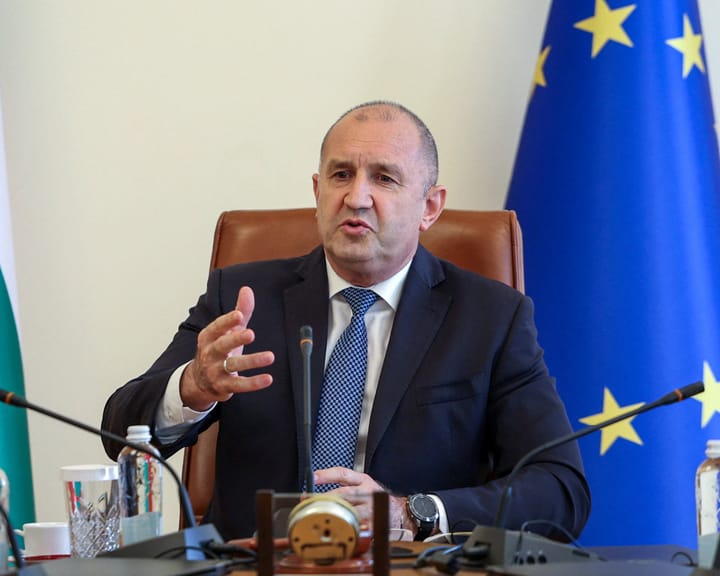
Mysterious Drones Strike Two Vessels Near Bulgarian Coast – Europe Live
Morning Update: Two Ships Targeted by Drones Off Bulgarian Coast
This morning, two ships in the Black Sea near Bulgaria were struck by drones of unknown origin. The attack led to the sinking of one vessel and initiated emergency rescue operations, as reported by Bulgarian Prime Minister Rumen Radev. Rescue