
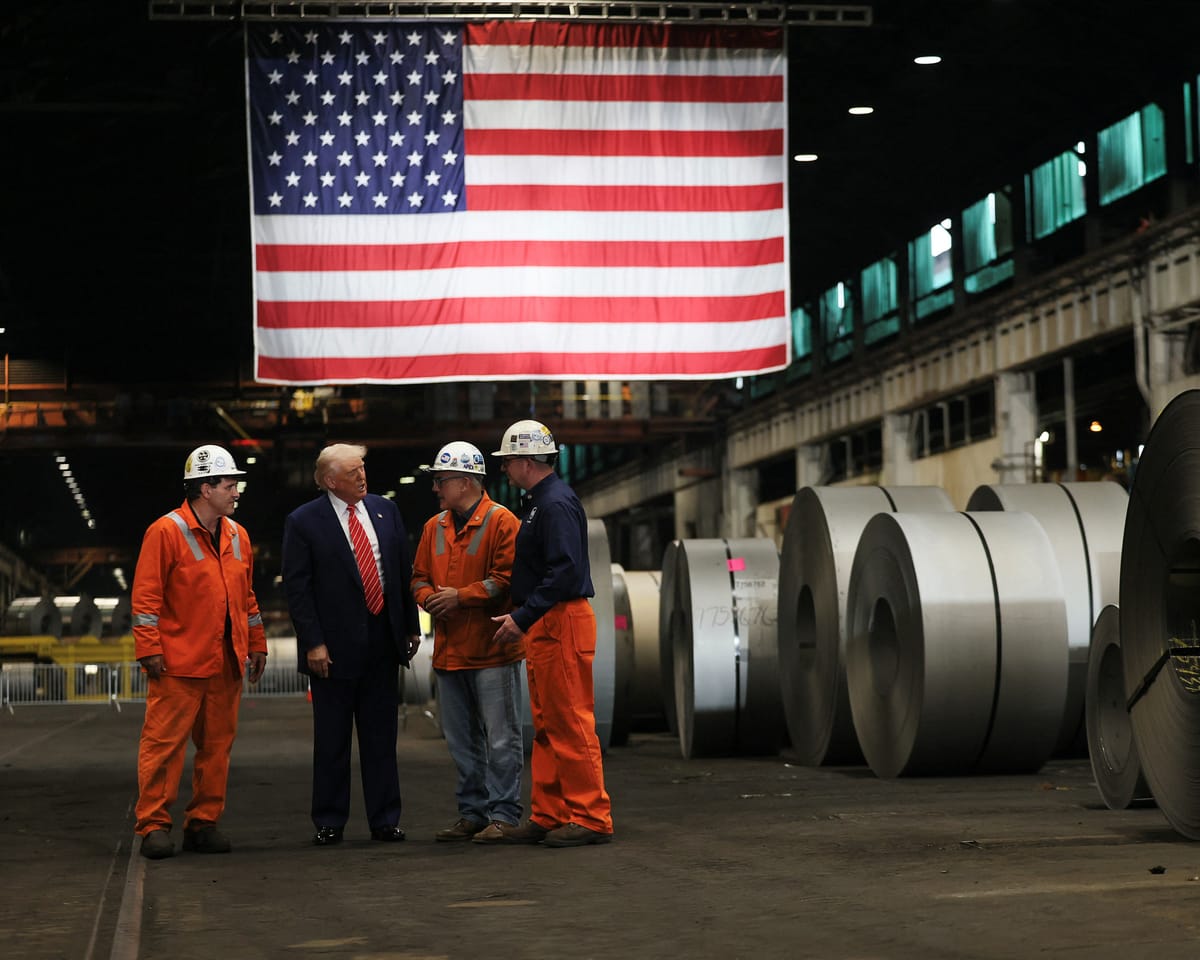
As plans for new tariff increases take shape, the consequences of these policies are becoming clearer for domestic manufacturers reliant on global supply chains, with a new report indicating factory expenses may rise by approximately 2% to 4.5%.
“Many of these businesses will face financial strain,” noted Chris Bangert-Drowns, a researcher at the Washington Center for Equitable Growth, who led the study. Bangert-Drowns explained that even modest cost increases for factories operating on narrow profit margins “could result in stagnant wages, or even job cuts and shutdowns” if they prove unsustainable.
The report, published Tuesday, highlights potential challenges in framing these tariffs as a broader economic and political victory rather than merely a demonstration of aggressive negotiation tactics. The effectiveness of these policies ultimately hinges on whether they improve the financial well-being of average citizens and revive struggling manufacturing regions—a goal analysts suggest may be difficult to achieve through tariffs alone.
New agreements with the European Union, Japan, the Philippines, Indonesia, and Britain are set to increase U.S. import taxes. Additional tariffs on goods from numerous other countries, ranging from 15% to 50%, are expected to take effect soon.
Financial markets have reacted positively to the fact that the tariffs are lower than initially proposed earlier this year, signaling cautious optimism about stability. Supporters argue that the additional revenue could reduce the budget deficit and stimulate domestic manufacturing employment, while downplaying concerns about rising consumer prices.
“We’ve eliminated inflation,” a statement was made last week before a trip abroad.
However, broader economic effects, including price hikes and slowed growth, could emerge as tariffs take full effect globally.
A June survey by the Atlanta Federal Reserve indicated businesses may pass roughly half of their increased costs to consumers. Recent employment data reveals the U.S. lost 14,000 factory jobs following earlier tariff announcements, raising questions about whether a recovery will be reflected in upcoming labor reports.
The Washington Center for Equitable Growth’s findings illustrate how reliance on tariffs could carry economic and political risks. In key states like Michigan and Wisconsin, over 20% of jobs are in manufacturing, construction, mining, and related sectors, leaving them particularly vulnerable to the impact of these policies.
Even industries promoted as future economic drivers, such as artificial intelligence, rely heavily on imports. More than 20% of materials used in computer and electronics manufacturing come from abroad, meaning tariffs could significantly amplify costs in these critical sectors.
Read next
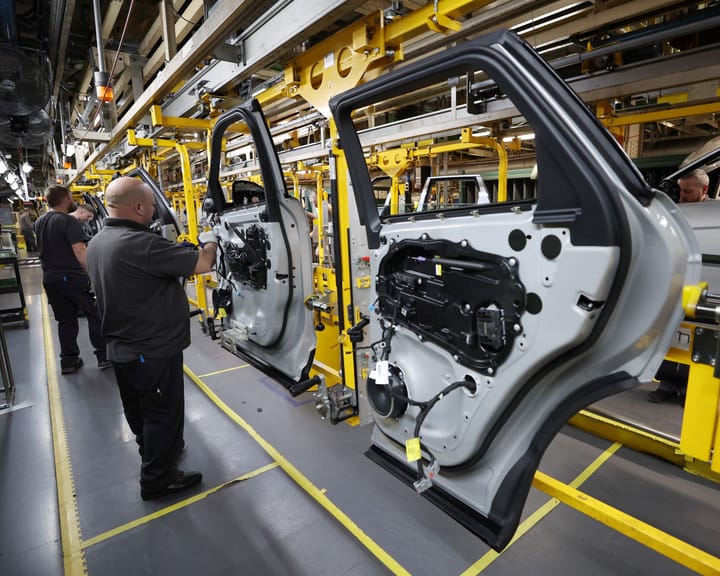
Jaguar Land Rover suppliers voice ‘everything is against us’ amid cutbacks
David Roberts, chair of Coventry-based Evtec, says the outlook for Britain’s automotive sector is grim, with “everything against us.” Evtec is a tier 1 supplier to Jaguar Land Rover, which this week announced 4,000 job cuts over two years despite chancellor John Healey’s attempt to talk
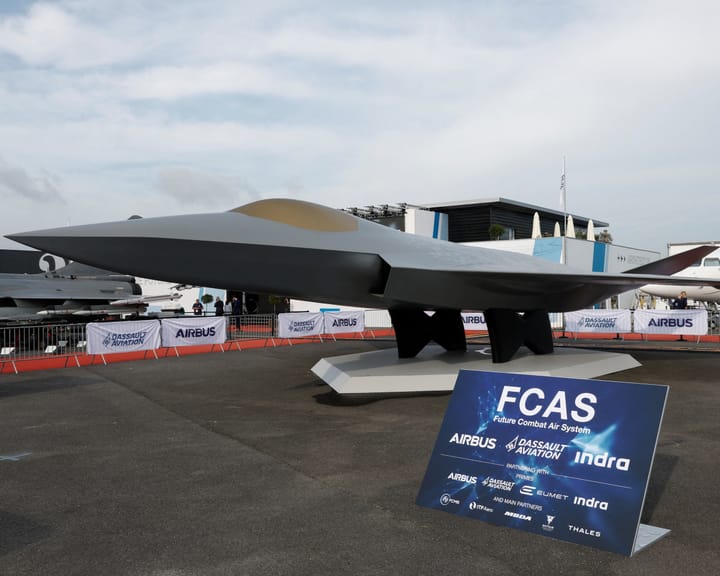
Europe’s fighter jet plans in disarray: what comes next?
When former ECB president and Italian PM Mario Draghi urged Europe to catch up economically with the US and China, defence collaboration was prescribed. No more should each nation build independent boats, tanks or jets; allies should share costs and technologies.
Europe stumbled at the first hurdle. German Chancellor Friedrich
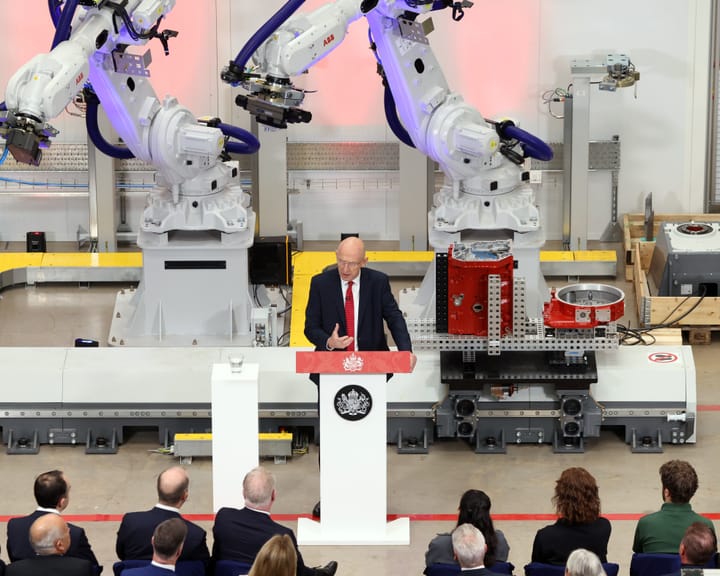
John Healey supports growth but insists Labour must be truthful about spending
John Healey has stated that his primary goal as chancellor will be to boost economic growth, while acknowledging that Labour must be straightforward about controlling public spending at next month's budget.
In his first major address since assuming the role in July, Healey said the leading focus of